If you’ve read our post on Polebridge, you already know that a stop at the Mercantile for a huckleberry bear claw is non-negotiable. But here’s the thing: Polebridge is not the destination. It’s the launching pad. Six miles up the road, past the entrance station and into Glacier’s wild northwest corner, is Bowman Lake.


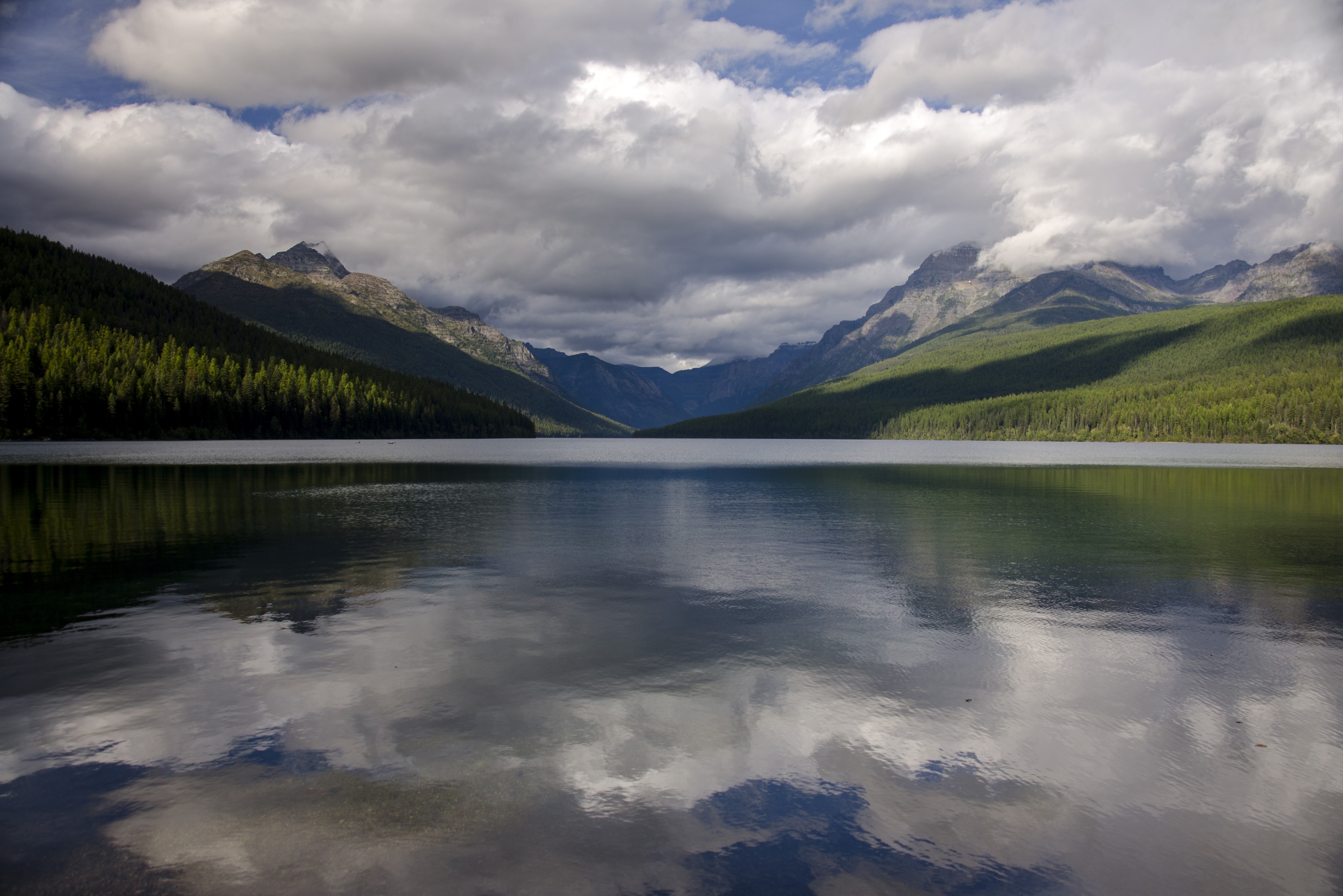
The lake is about 7 miles long, crystal clear, and ringed by mountains that drop straight into the water. On a calm morning, the reflections are almost disorienting. The drive in is rough. The parking is competitive. The bears are real. It is still absolutely worth it.
The Road Reality Check
Don’t let the 6-mile distance from Polebridge fool you. That stretch will take 30 to 45 minutes depending on conditions. The Inner North Fork Road is a narrow, single-lane dirt track through dense forest, full of washboard ruts, potholes, and blind corners. When you meet an oncoming car, someone is backing up to a turnout. It happens regularly.
Low-clearance sedans are a bad idea here. RVs and trailers are prohibited by the park, and after driving it, you’ll understand why. Reviewers have reported suspension damage from the road’s ruts. Go slow, watch for turnouts, and don’t expect cell service.
The Parking Wars
Here’s the thing the “hidden gem” guidebooks don’t tell you: everyone with an outdated travel blog read the same line about Bowman Lake being a quiet escape from the Going-to-the-Sun Road crowds. Because of that, the parking lot fills up fast. There are roughly 30 spots, rangers actively ticket anyone parked outside designated areas, and on a summer weekend the lot can be capped before mid-morning.
If you’re visiting in July or August, plan to be past the Polebridge entrance station by 8:00 AM. That means leaving Columbia Falls early, which means skipping breakfast in town and grabbing something at the Mercantile on the way in. That’s actually a fine plan.


The Lake
The best views of Bowman Lake are right at the beach near the parking lot. The mountains frame the far end of the lake and the water is clear enough to see the rocky bottom. Afternoon winds can pick up quickly and push paddlers around, so if you’re bringing a kayak, canoe, or paddleboard, get on the water in the morning. Motorized boats under 10 horsepower are allowed.
Fishing is good here. The lake holds bull trout and westslope cutthroat. Bring your rod.
The Bowman Lake Trail follows the northern shoreline for about 7 miles to the lake’s head, but the views don’t change dramatically once you’re past the beach. The trail stays mostly in the trees, which is beautiful in its own way, but if time is short, you don’t need to hike far to get the full experience. The payoff is at the water’s edge.
Bears, Bugs, and What to Bring
This is some of the wildest terrain in the lower 48. Grizzly and black bears are active around the campground and along the trail, and the dense brush means sightlines are short. Bear spray needs to be on your hip the moment you step out of the car, not in your daypack.
The mosquitoes along the shoreline in June and early July are ruthless. Bug spray here is not optional. A head net is worth throwing in the bag if you’re sensitive to bugs or plan to stay into the evening.
The Campground
Bowman Lake Campground has 48 sites tucked into the trees along the shoreline, which gives most spots a decent amount of shade and privacy. Pit toilets and potable water are available during peak season. The fee is $15 per night with a 7-night limit.
The campground runs from late May through early September and is entirely first-come, first-served. There are no reservations. In July and August, sites fill up early, so if you’re planning to stay the night, arrive by mid-morning or plan to arrive the evening before. Trailers are not permitted. You can find current availability and conditions on the Recreation.gov listing.
Food storage regulations are strictly enforced. Every bit of food, your cooler, cooking gear, and anything else that smells needs to be in a hard-sided vehicle or a bear box when you’re not actively using it.
Before You Go
Fill your gas tank in Columbia Falls. There’s no gas in Polebridge.
Download offline maps before you leave. There is no cell service on the North Fork.
Pack bear spray. This is not a suggestion.
The road is typically accessible from late spring through early fall, but conditions vary year to year. Check road status with the park before making the drive.
The drive is rough and the parking is a battle, but standing at that beach with the mountains reflected in the water, it’s hard to argue with the result.