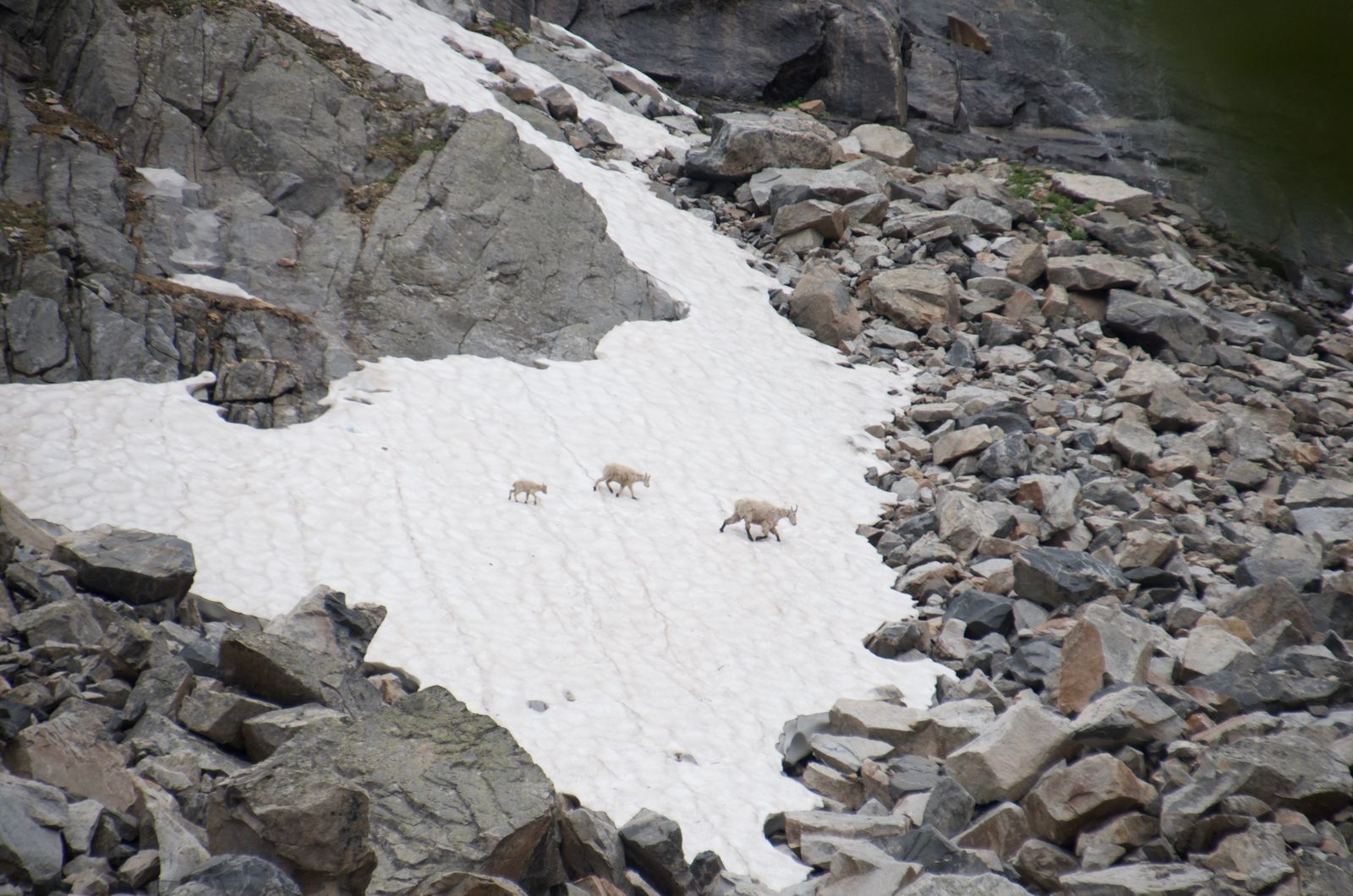
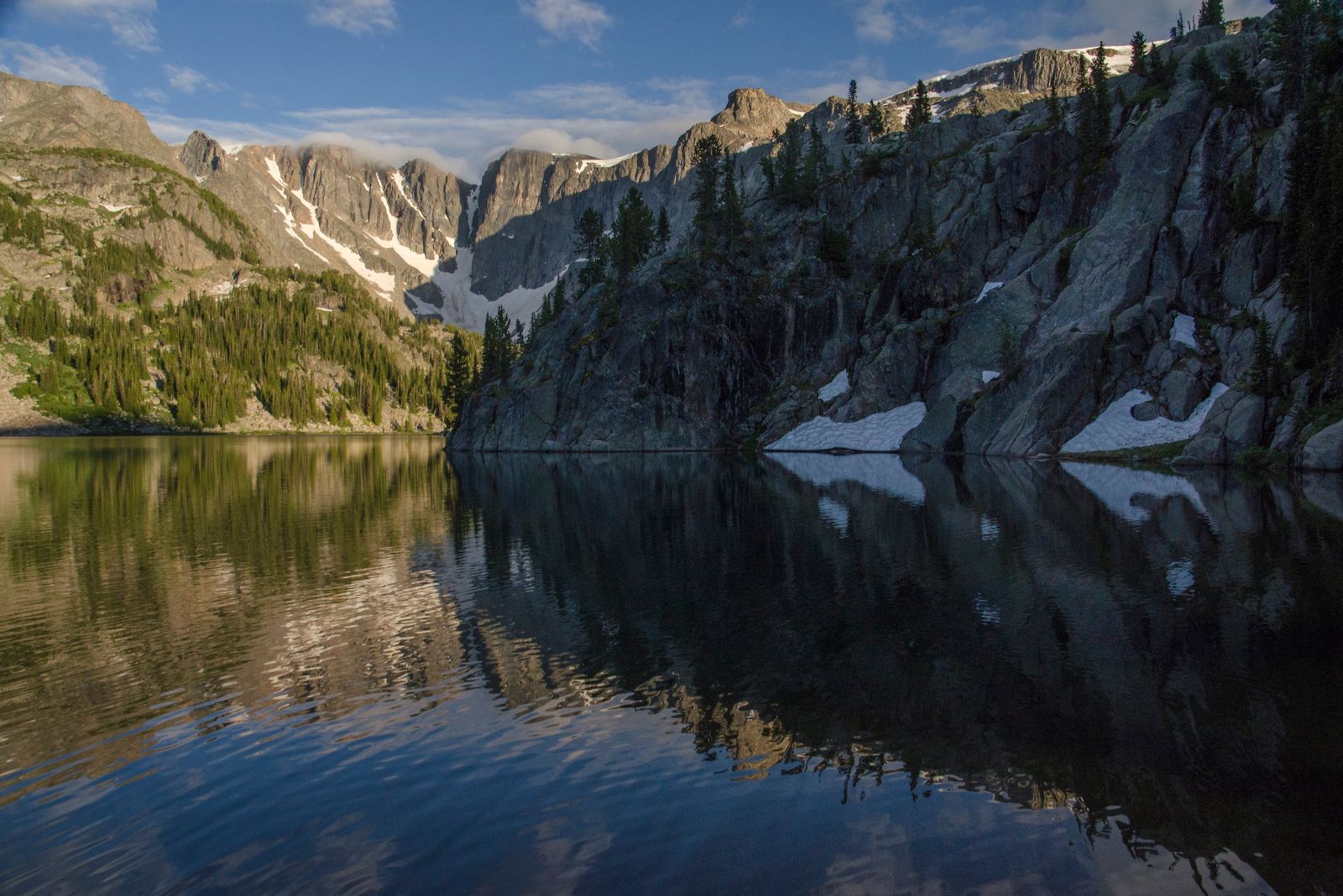
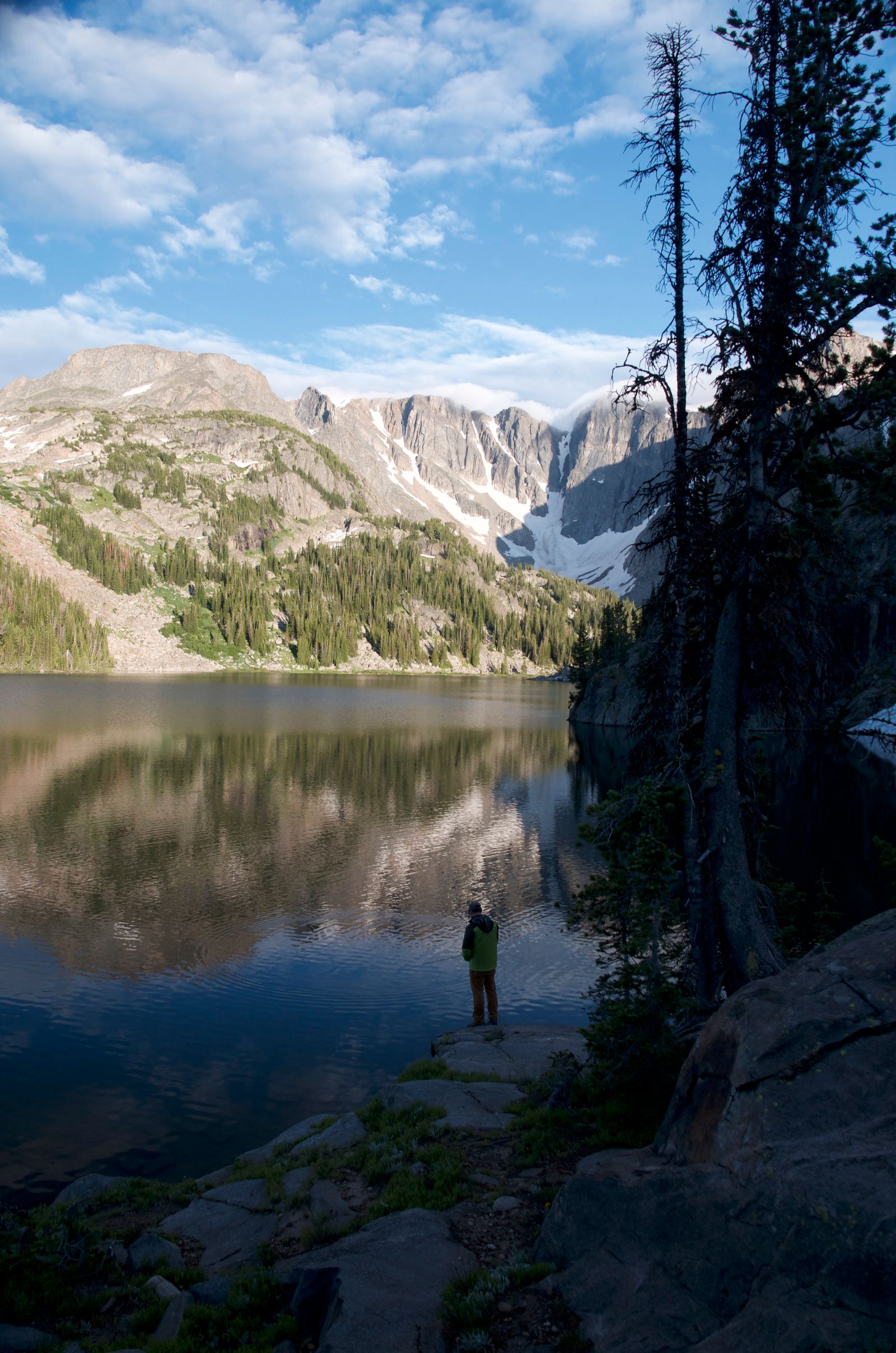
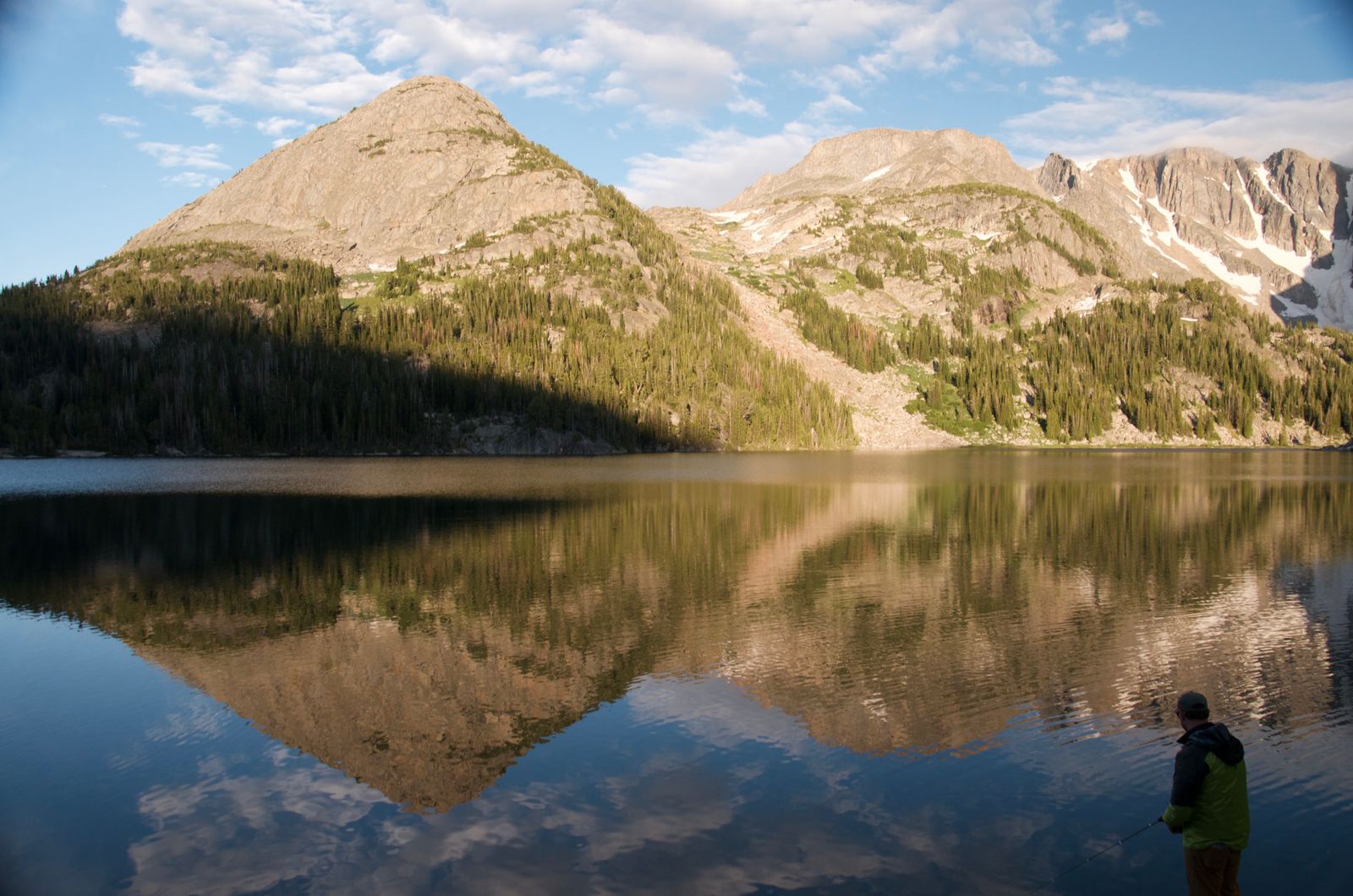
The name is misleading. The Beaten Path is not beaten in any way that the crowd-level data supports. It is a well-known route among backpackers that somehow stays uncrowded, probably because the point-to-point logistics and the Cooke City starting point keep casual visitors away.
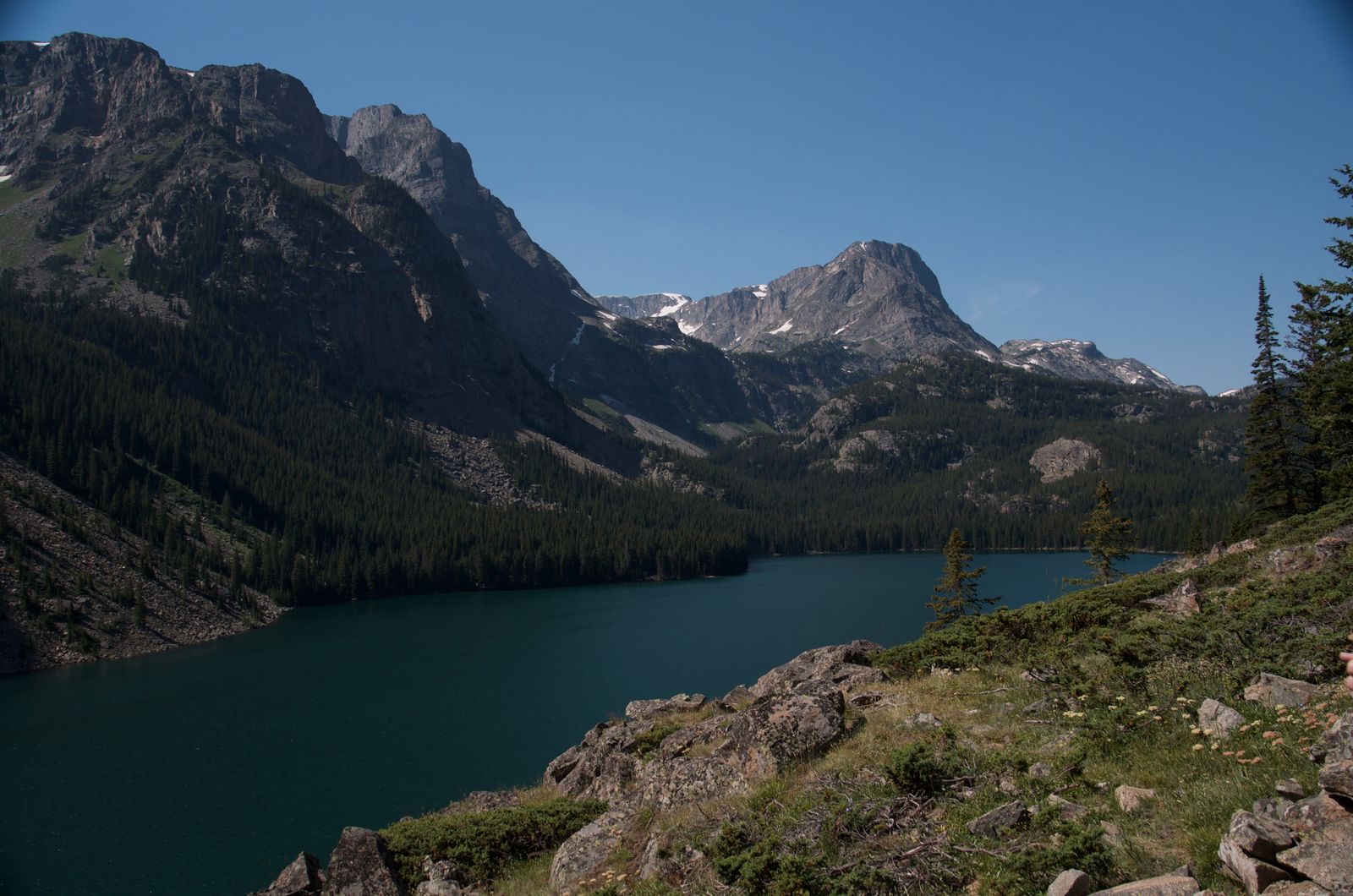
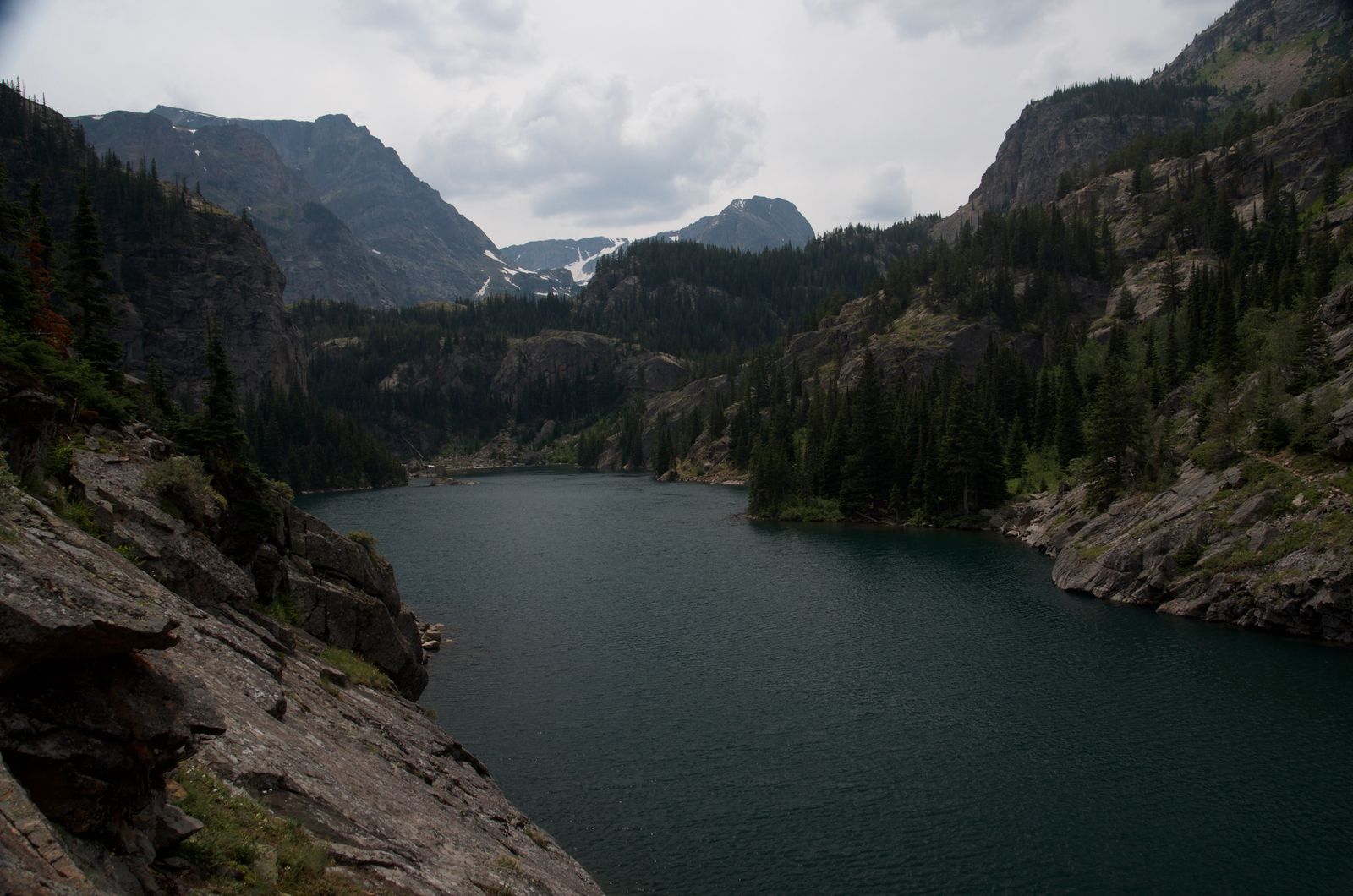
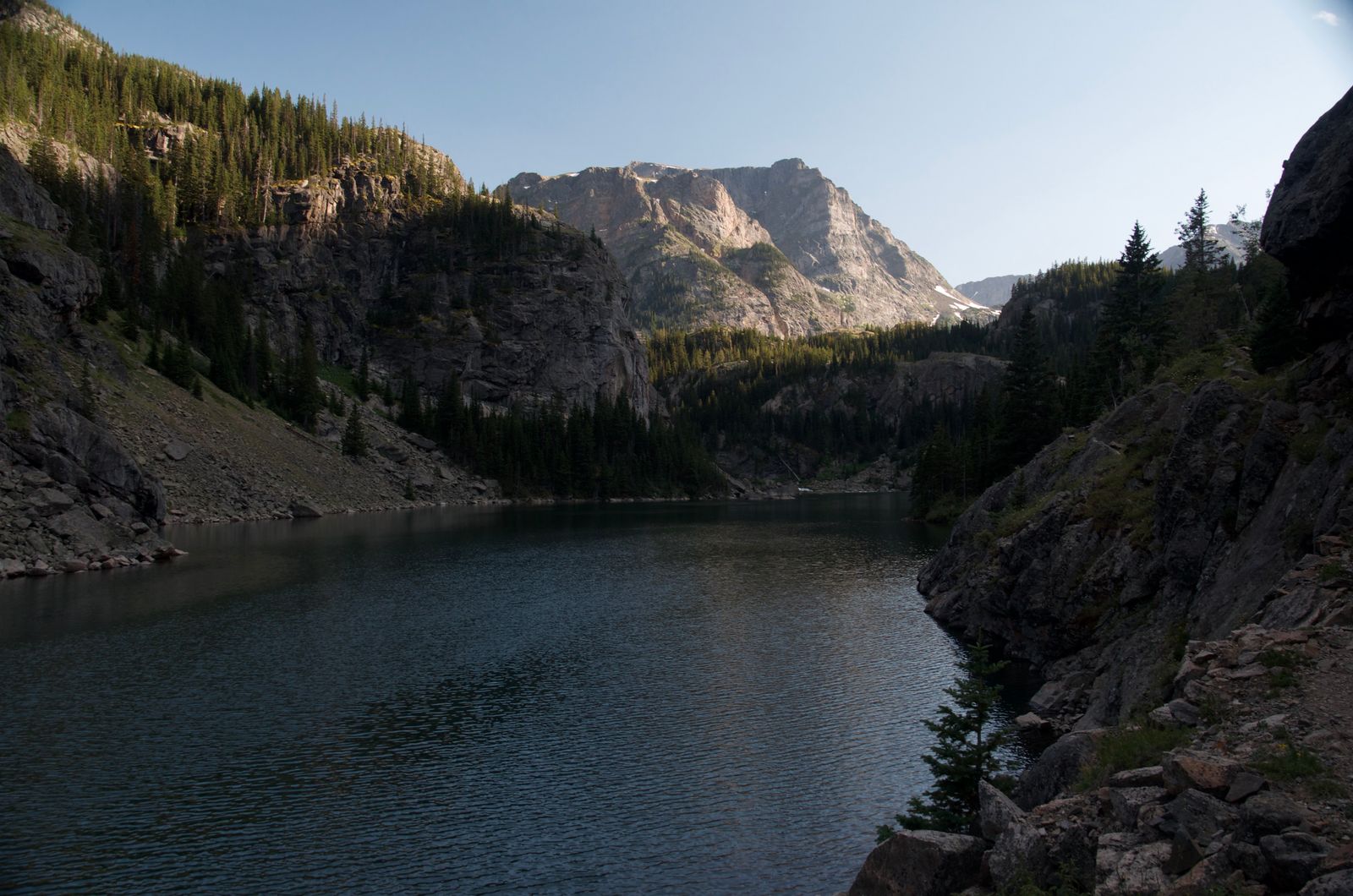
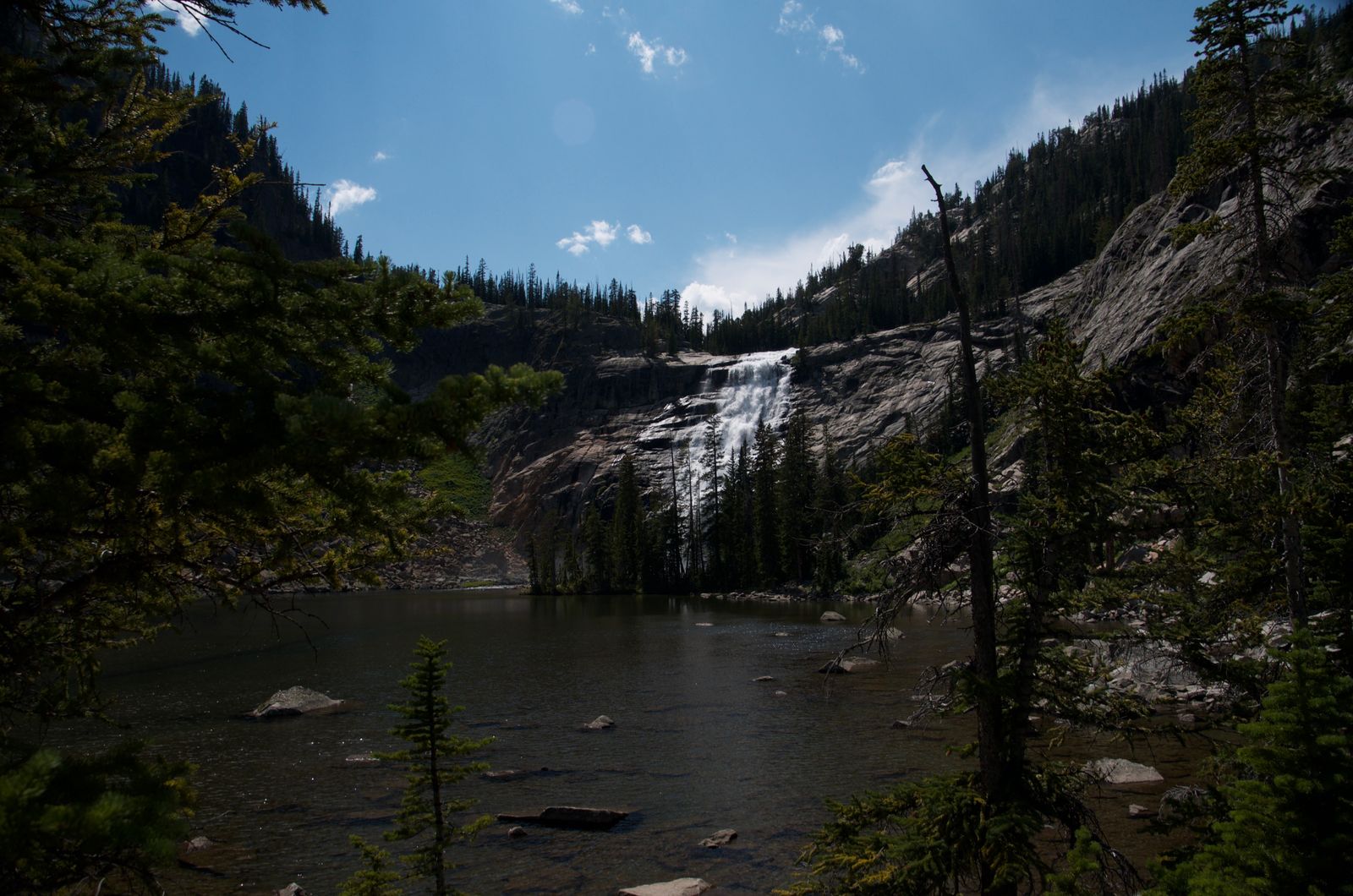
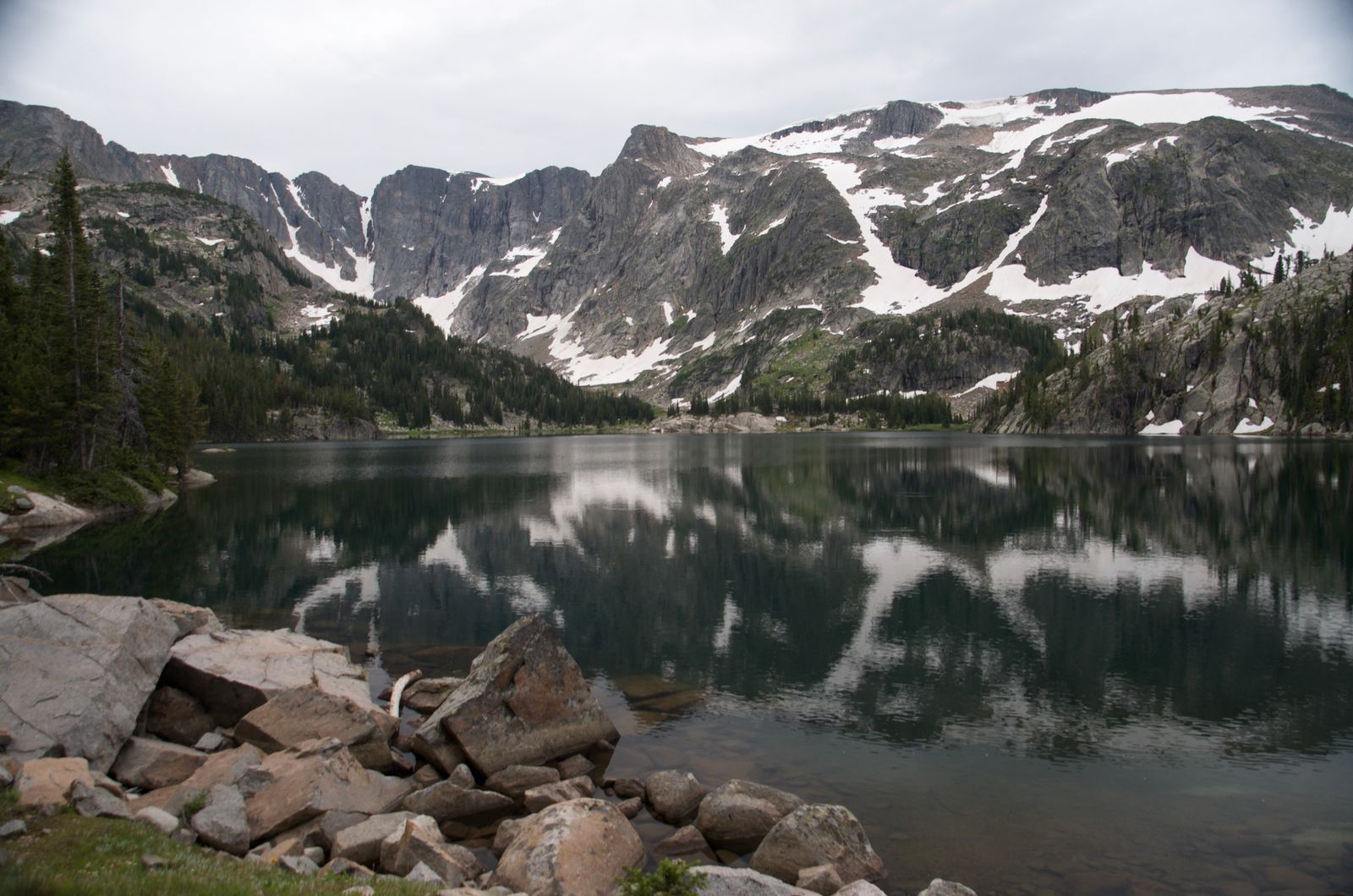
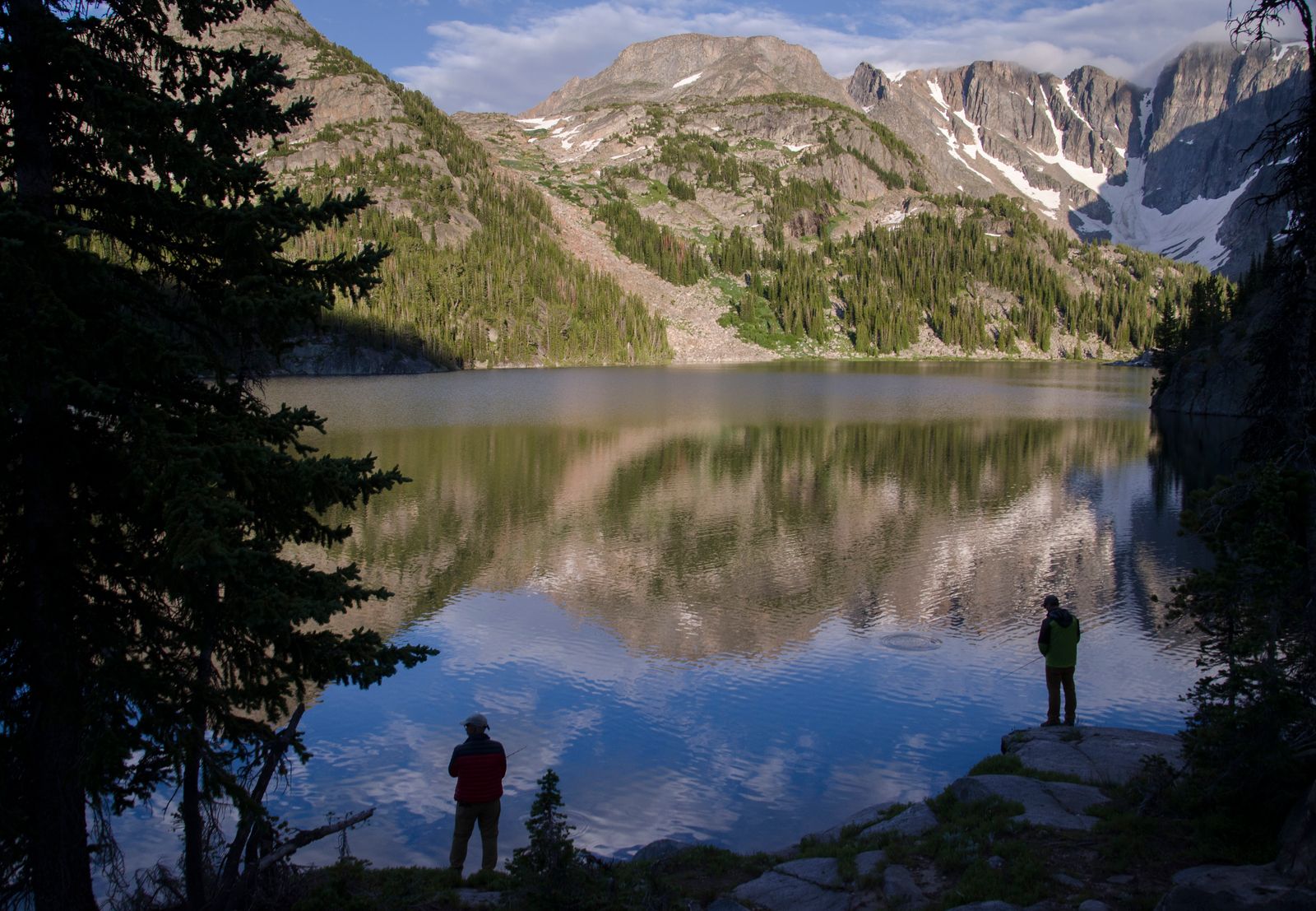
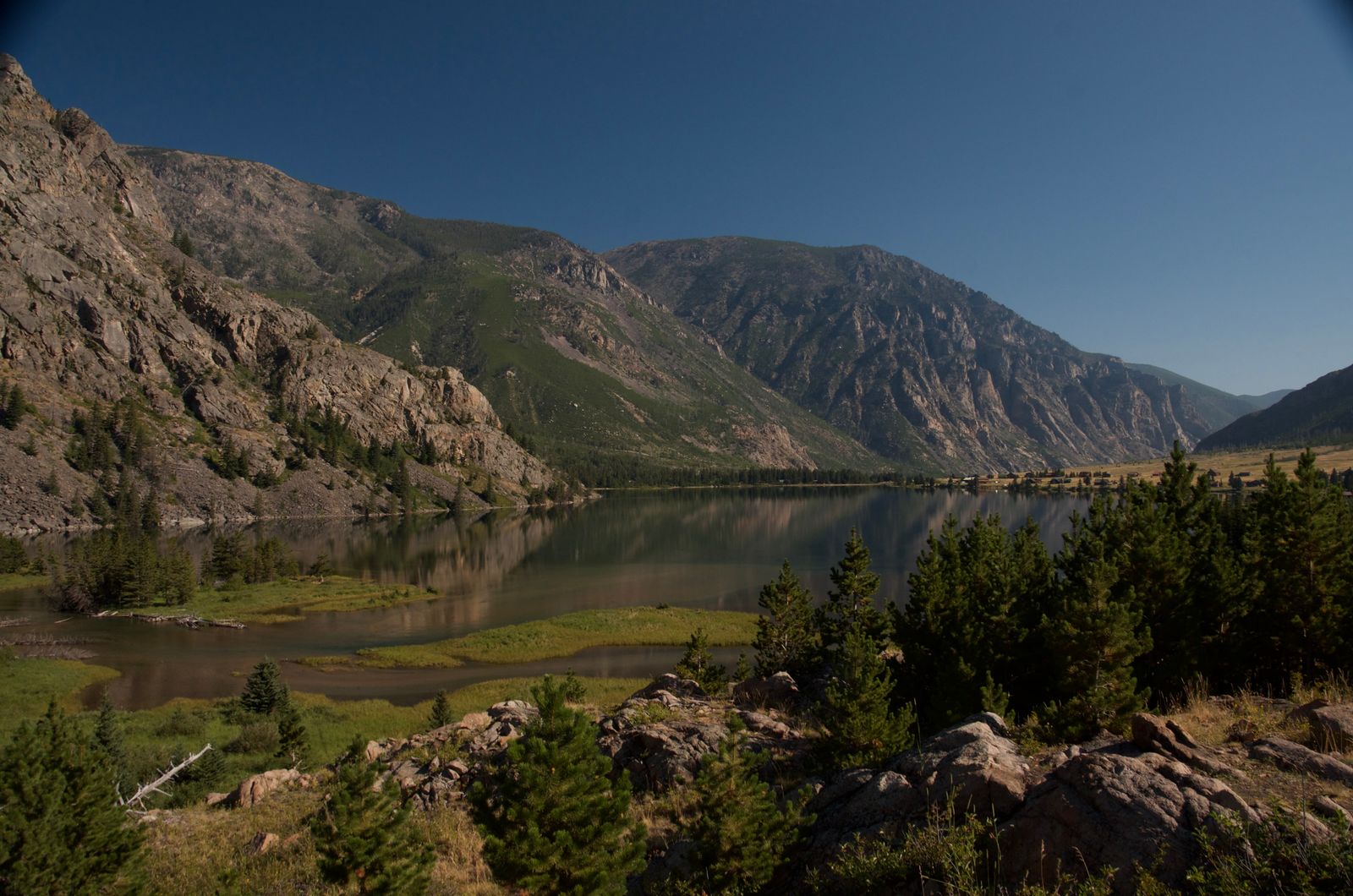
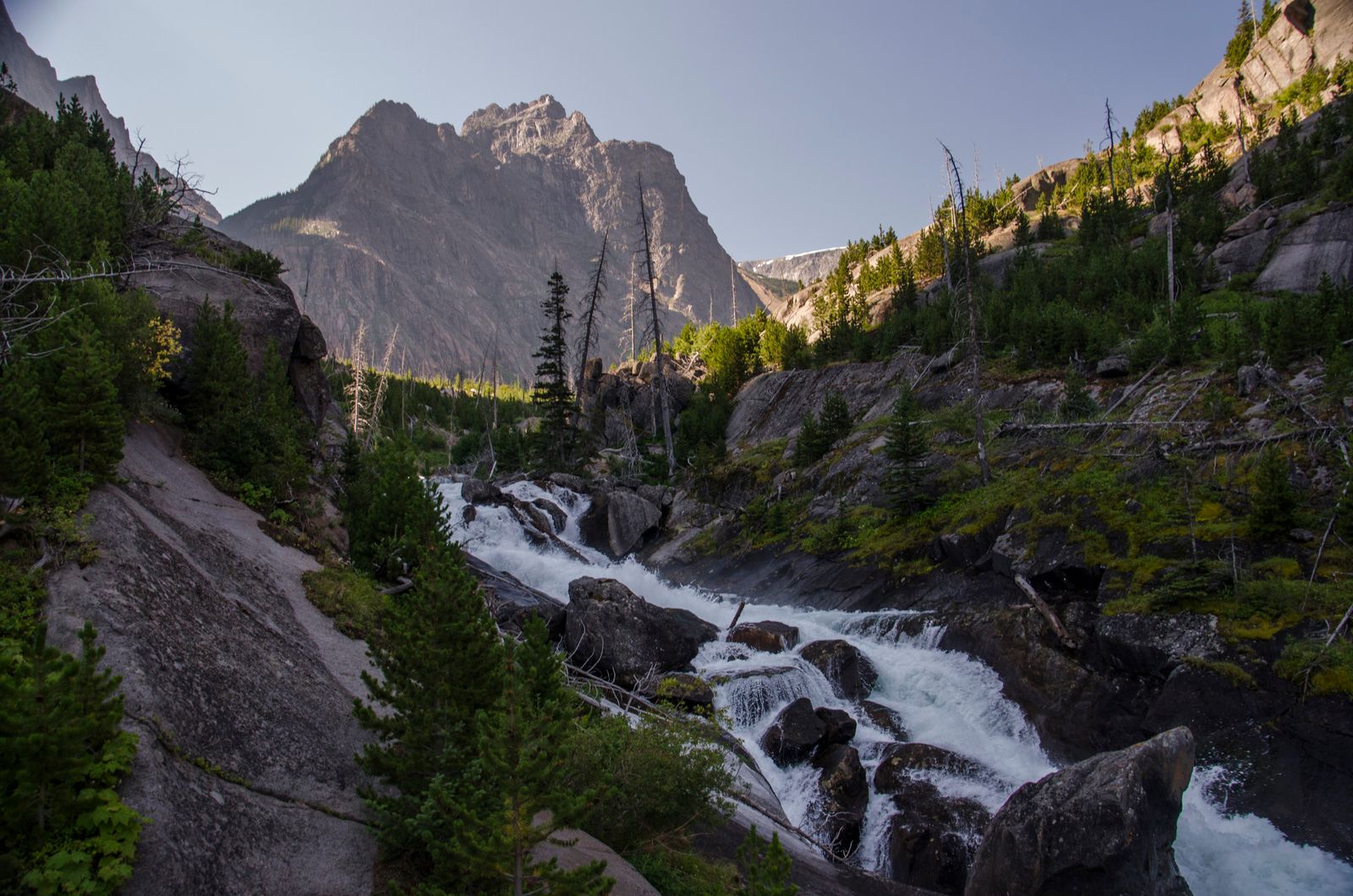
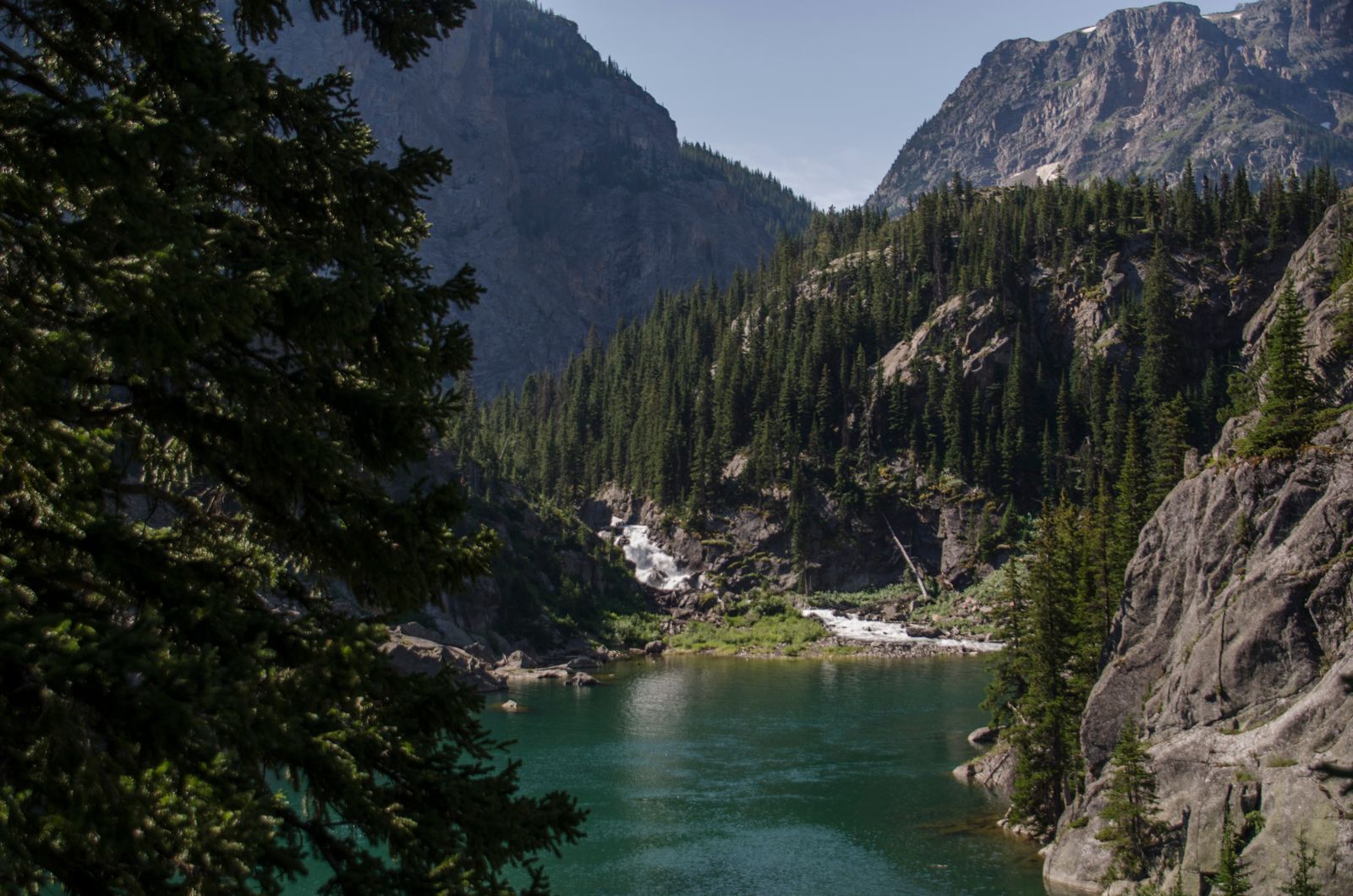
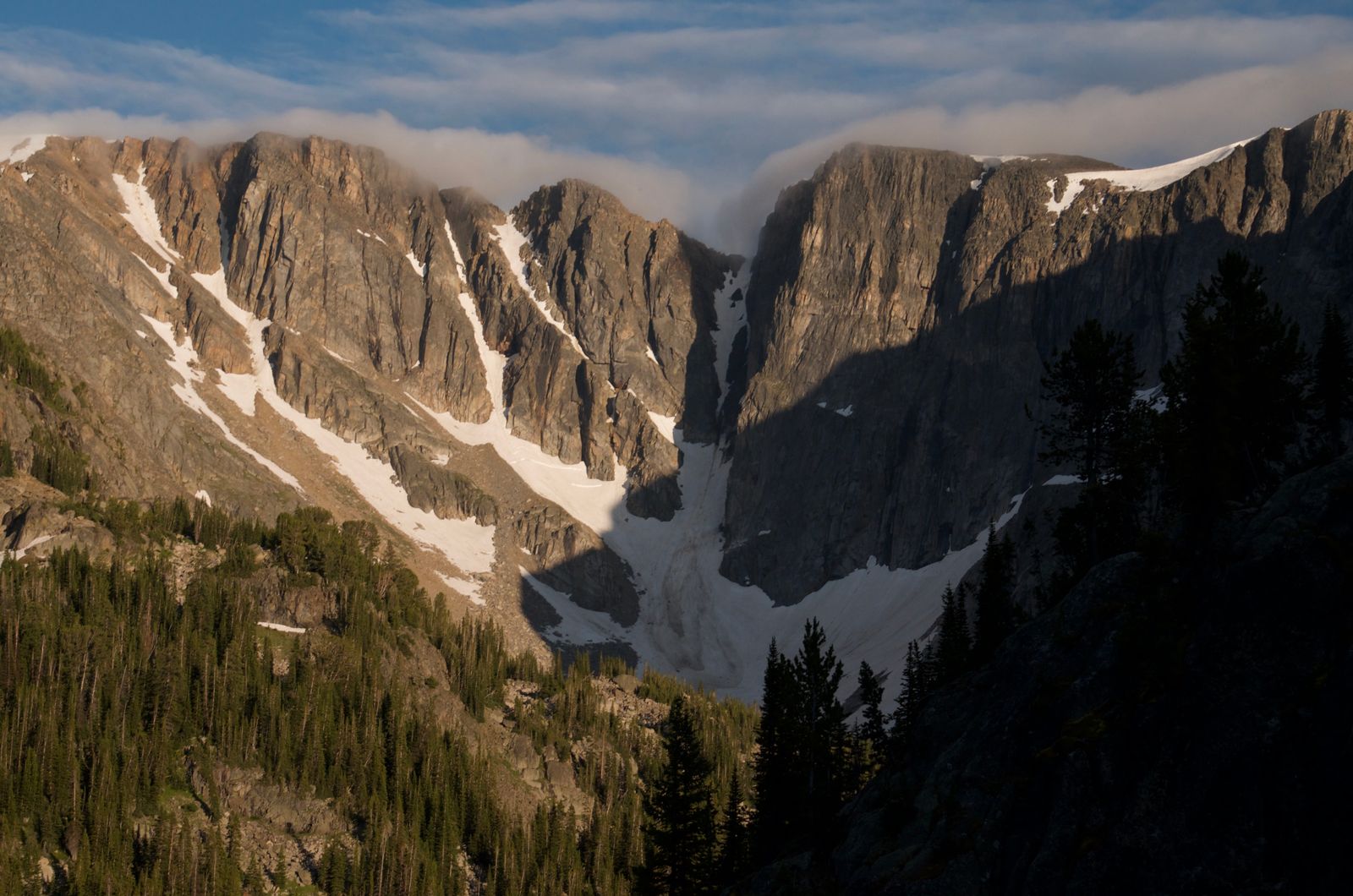
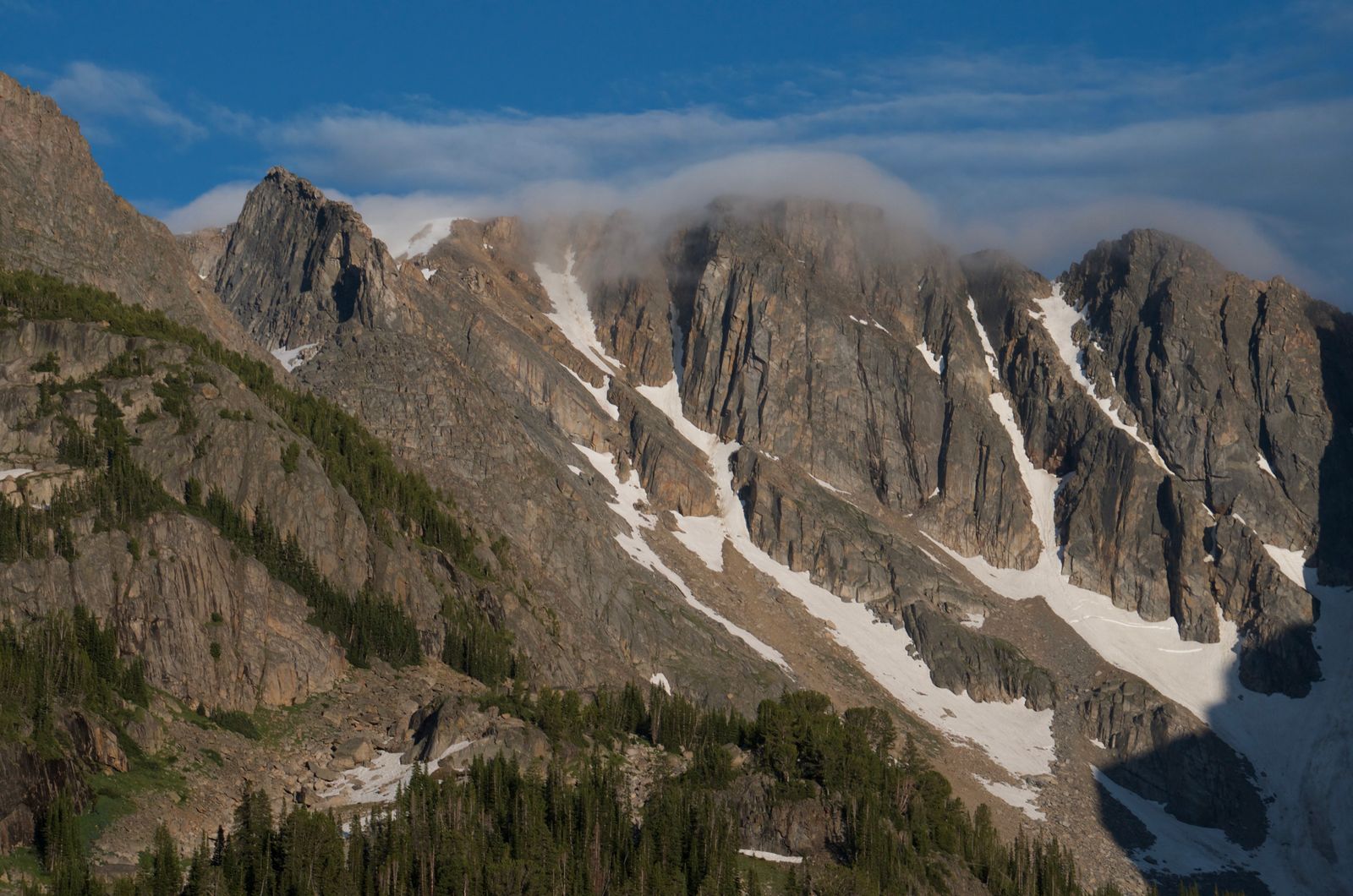
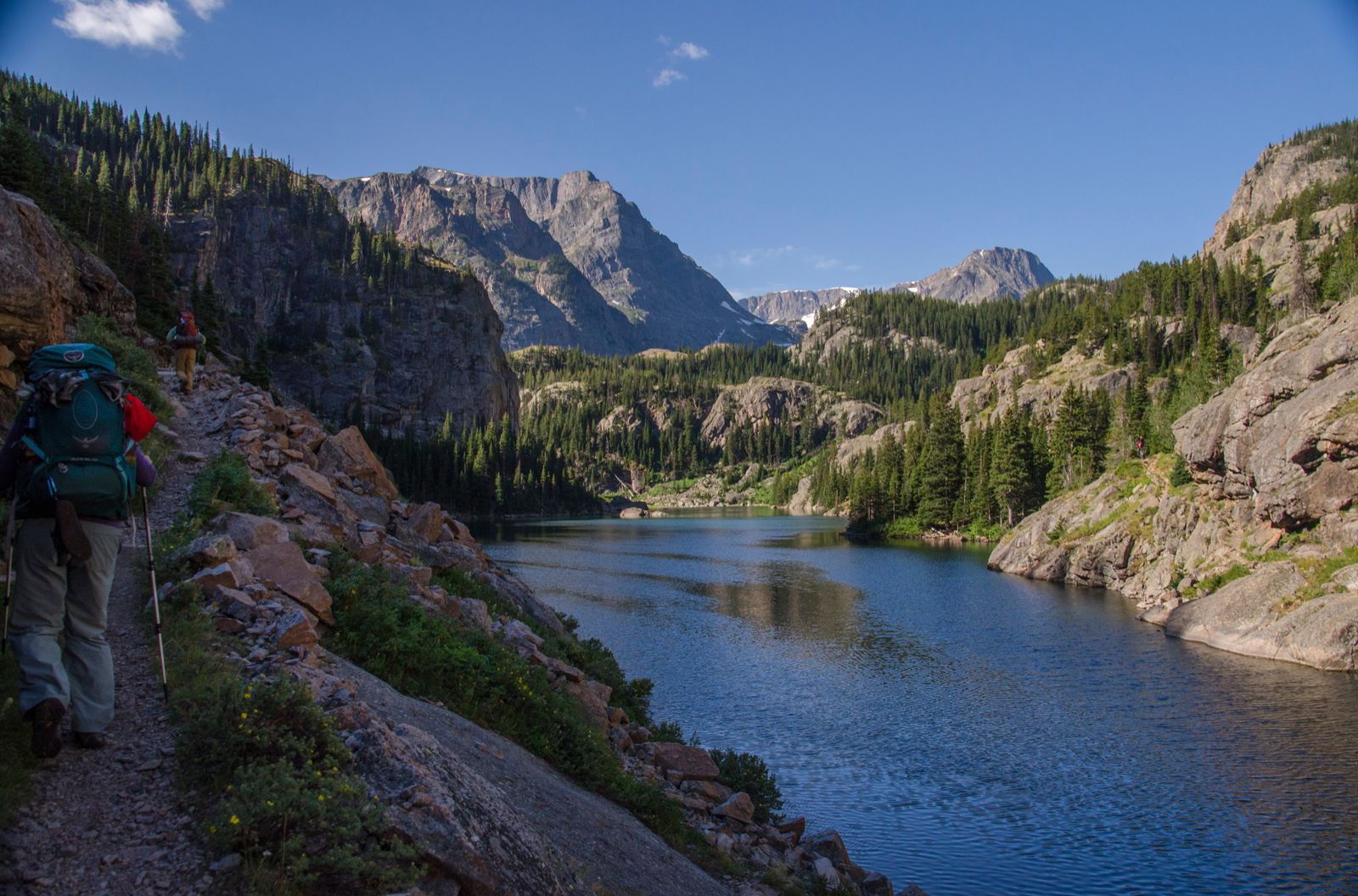
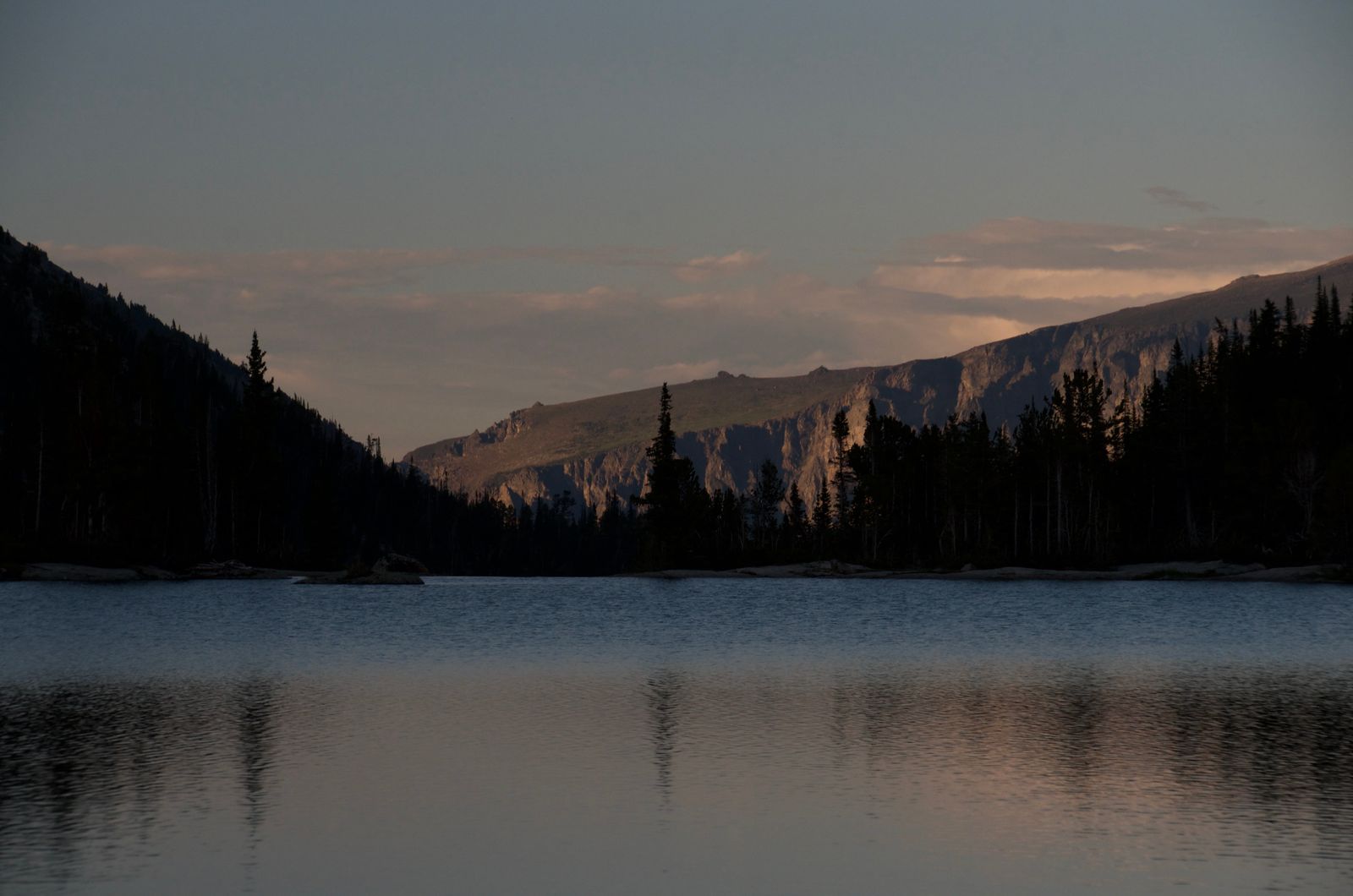
The Beartooth Plateau delivers a kind of sustained alpine scenery that single-destination hikes cannot replicate. You are above 9,000 feet for most of the route, moving from lake to lake through granite terrain with waterfalls visible from the trail. Fossil Lake at mile 10 and Rainbow Lake near mile 18 are the two camps people talk about most, and both earn the praise. This is the kind of trip that recalibrates your sense of what Montana backcountry looks like. If you have not done it, make the logistics work.
Both trailheads have parking areas. East Rosebud can fill up on summer weekends, so arrive early or camp nearby the night before. The Clarks Fork Trailhead near Cooke City sees less traffic.
East Rosebud Trailhead has a vault toilet. Facilities at the Clarks Fork end are more limited, so plan accordingly.
Despite being a well-known route, The Beaten Path sees surprisingly few hikers compared to trails closer to Bozeman or Yellowstone. You'll likely see other parties, especially at popular camping lakes, but solitude is easy to find.
Both trailheads are accessible by passenger vehicle. The East Rosebud Road is paved most of the way with some gravel near the end. The Clarks Fork Road near Cooke City is gravel but well-maintained.
Don't expect any cell service on the trail. Let someone know your itinerary before you leave. A satellite communicator like a Garmin inReach is a smart investment for a remote trip like this.
Dogs are allowed on the trail. Just make sure your pup is in good enough shape for the distance and elevation. This isn't a casual stroll.
142 Miles from Bozeman, MT. 2.5 Hours
This is a point-to-point hike, so you'll need to arrange a shuttle or car swap. From Bozeman, take I-90 east to exit 408 at Columbus. Turn right onto MT-78 S and follow it for about 27 miles through Absarokee. Turn right onto East Rosebud Road and follow it for about 14 miles until it dead-ends at the East Rosebud Trailhead.
You could also start from the Clarks Fork Trailhead near Cooke City and hike the opposite direction. That approach involves about 1,700 feet less elevation gain since you'd be starting higher and finishing lower. Either way works. Just make sure you've got a ride waiting at the other end.
You will not run out of water on this trail. The route passes lake after lake (we lost count somewhere around a dozen) and follows running water for much of the distance. Bring a filter and refill often.
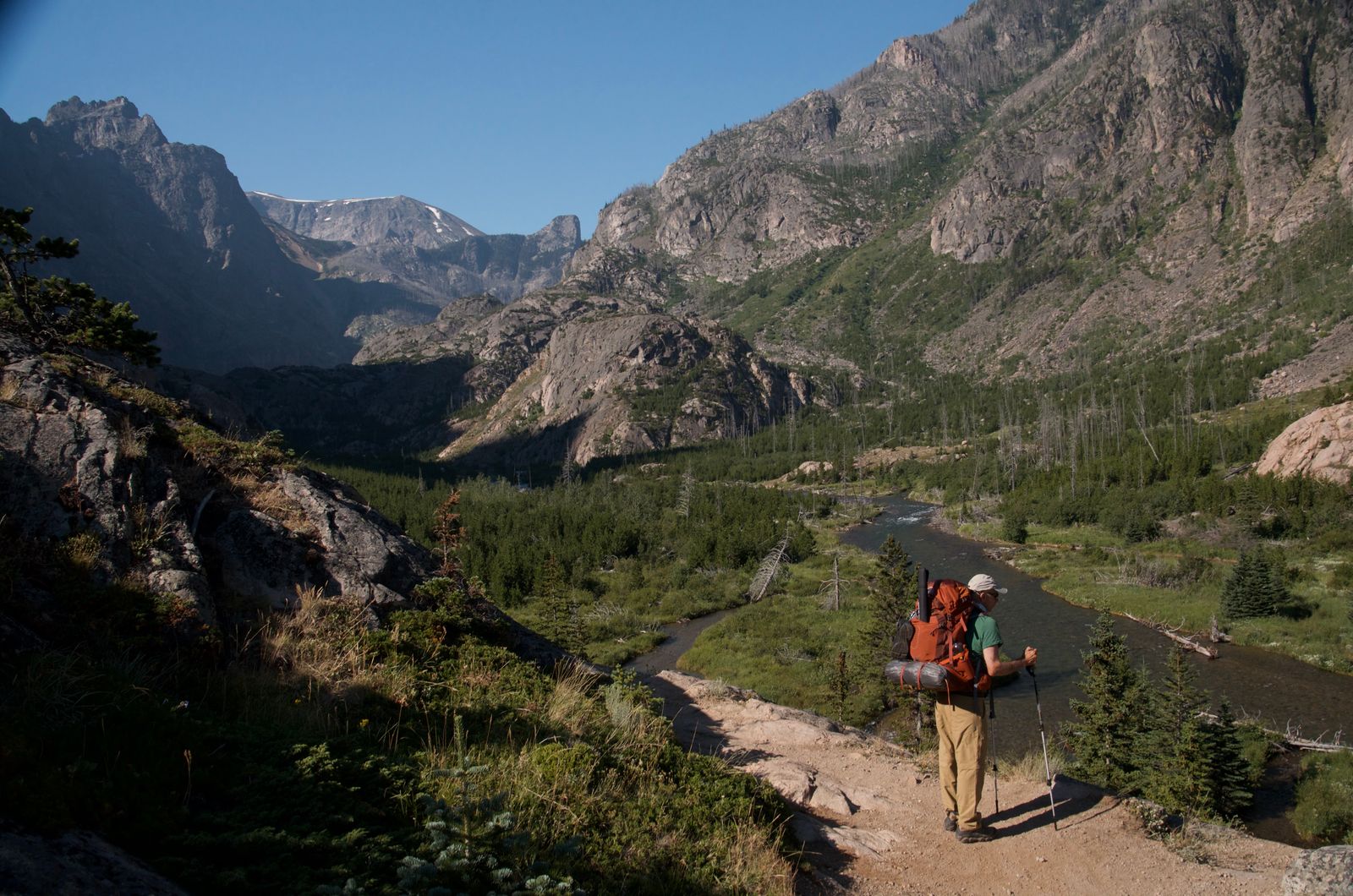
The trail is well-established and easy to follow. Expect some rocky sections at higher elevations and a few creek crossings that may require rock-hopping or getting your feet wet early in the season.
Snow can linger into mid-July at the higher passes. Late July through mid-September is the sweet spot for snow-free hiking and comfortable temperatures.
Layers are essential. Temperatures at 10,000 feet can drop into the 30s at night even in summer. Pack rain gear—afternoon thunderstorms are common. A sun hat and sunscreen are must-haves for the exposed alpine sections.
Footwear: Sturdy hiking boots with ankle support
Pack enough food for your planned days plus one extra. Weather or fatigue could slow you down. This is grizzly country, so bring a bear canister or hang your food properly every night. No exceptions. The bear spray guide covers carry and planning basics for Montana bear country.
Mosquitoes can be fierce in the wooded sections and near lakes, especially in July. They thin out at higher elevations and as the summer progresses. Bring repellent and consider a head net if you're hiking early in the season.
The route alternates between forested canyons and open alpine terrain. Expect significant exposure at higher elevations. There's nowhere to hide when thunderstorms roll in. Plan your hiking days to be below treeline by early afternoon.
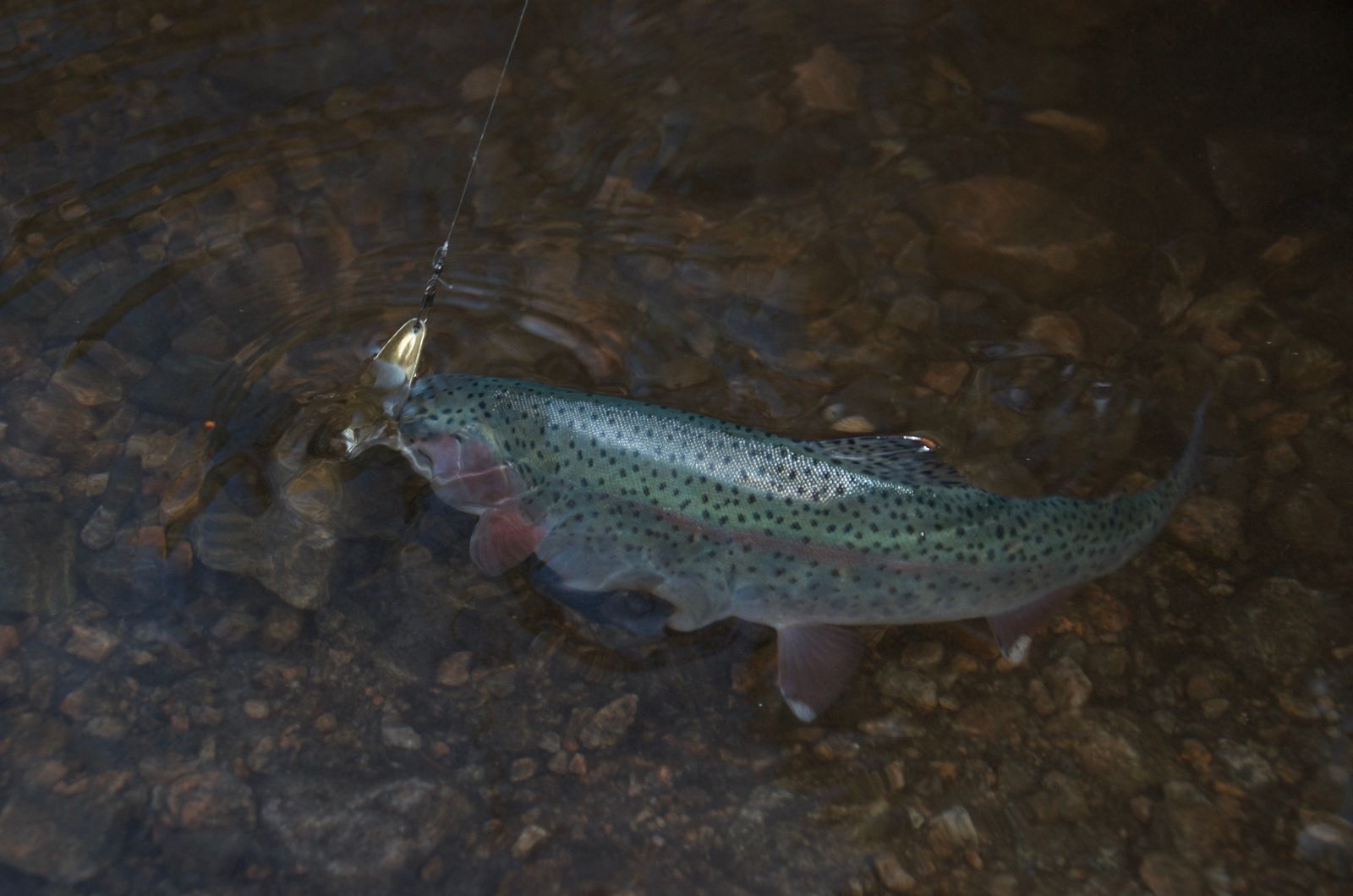
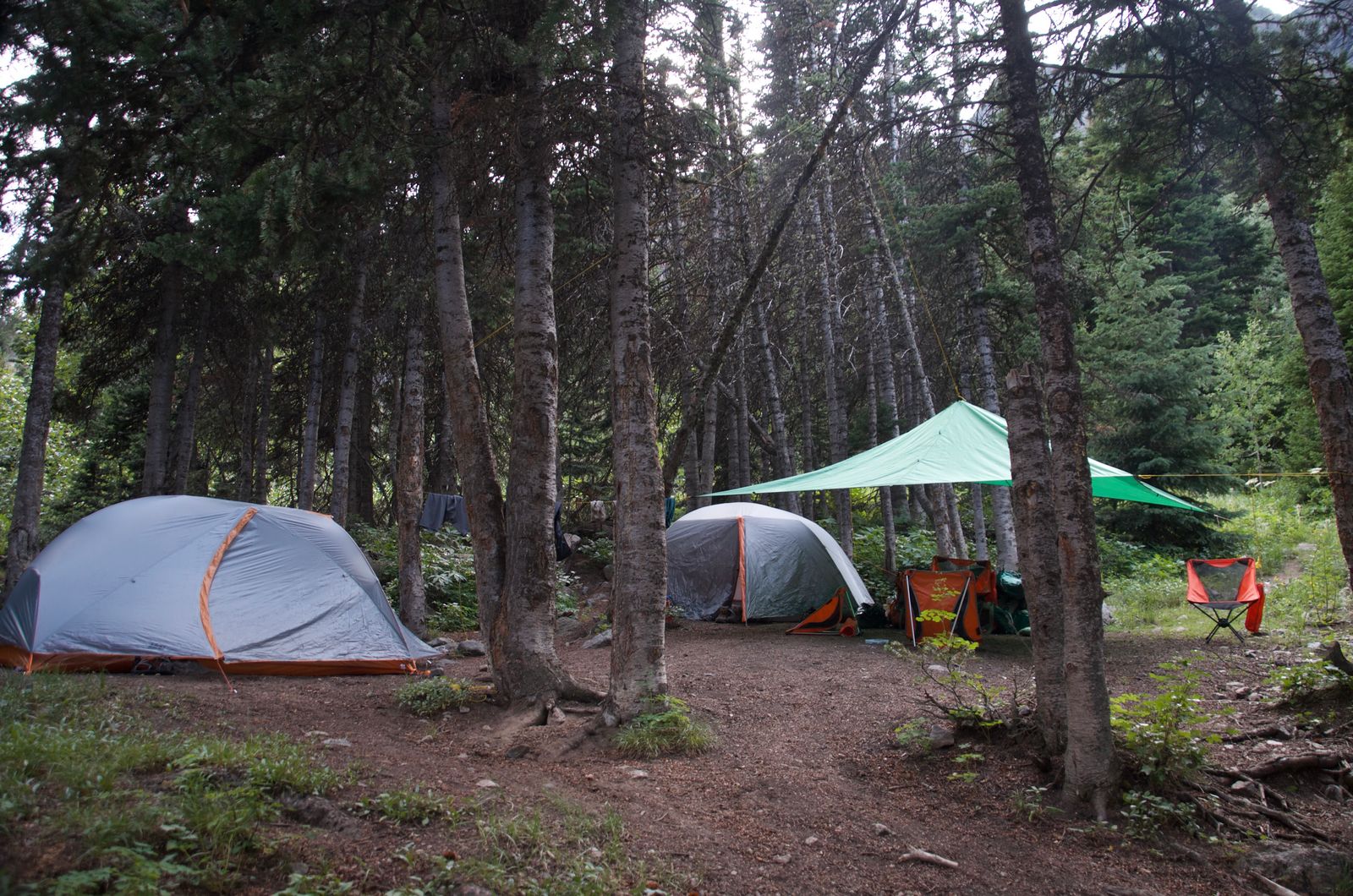
This is a backpacking route through and through. Campsites are plentiful near the lakes. Just stay 200 feet from water and practice Leave No Trace. Popular spots include Fossil Lake, Duggan Lake, and Rainbow Lake. Fishing is excellent if you pack a lightweight rod.
No permits are required to hike or camp along The Beaten Path. That said, practice good wilderness ethics—pack out all trash, properly store food, and leave campsites cleaner than you found them.
Beartooth Publishing's Absaroka Beartooth Wilderness Map covers the entire route. It's waterproof and shows all the lakes and trail junctions clearly.
Late July through mid-September is the best window. Snow can cover high passes into mid-July. The Beartooth Plateau is notoriously prone to afternoon thunderstorms in July and August, so early starts are important.
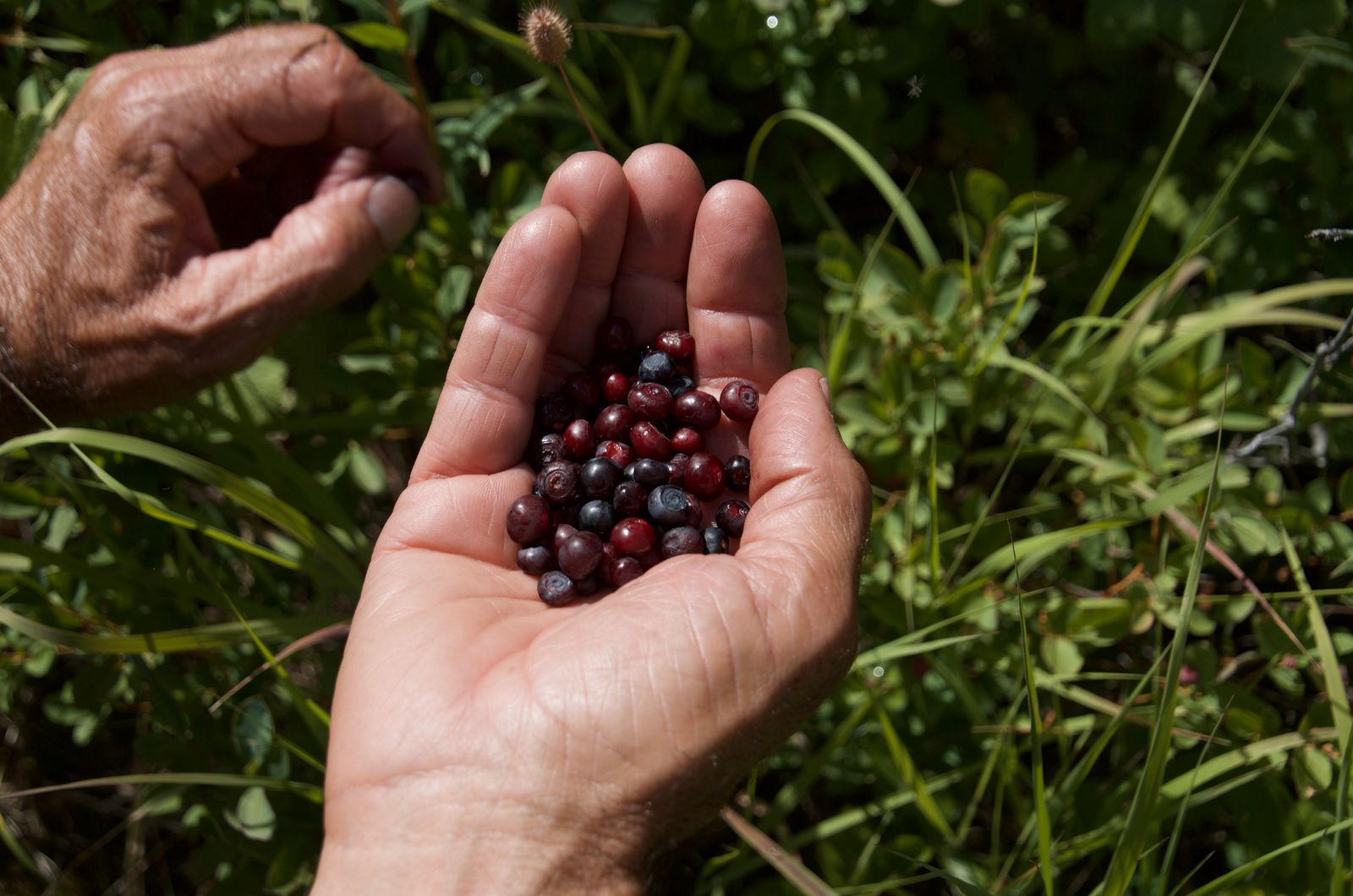
August through early September: passes clear of snow, wildflowers at their peak in late July and August, huckleberries ripe in August, lakes at full summer levels.
Late July: snow still possible at highest points but the route is generally passable, fewer people, wildflowers beginning.
Before late July: snow on the high passes makes route-finding difficult and the crossings run high. After mid-September: weather at elevation becomes unpredictable and snow can arrive.
The most common approach is to drop one vehicle at East Rosebud Trailhead and drive the second to the Clarks Fork Trailhead near Cooke City, then hike the route. The drive between trailheads is about 90 minutes. Alternatively, some people start and finish from the same end by doing a longer out-and-back to a specific lake.
No permit is required. This is one of the few extended alpine routes in Montana that remains permit-free. This is likely to change in coming years as the route gains popularity.
Over a dozen named alpine lakes, including Russell, Fossil, Duggan, Rainbow, and Elk Lakes. The route consistently strings more significant lake destinations together than almost any comparable trail in Montana.
No. 26.6 miles point-to-point with 3,806 feet of gain at altitude, three days of remote travel, grizzly country, and unpredictable Beartooth weather requires real backpacking experience and fitness. First-time backpackers should build to this with shorter overnight trips first.
Starting from Cooke City involves about 1,700 feet less net elevation gain since you start higher and finish lower. East Rosebud is the more classic starting direction. Either works, but Cooke City is more forgiving for the first day.
Plug 26.6 miles and 3,806 feet of elevation gain into our free hiking time calculator for a personalized estimate.