It’s early February and something feels off. The valleys are brown. The foothills are dry. My skate skiing lessons got postponed and will probably get cancelled altogether. If you’ve spent any time in Montana this winter, you’ve noticed it too.
We’re in a snow drought.
As of February 7, 2026, lower and mid-elevation snowpack below 6,000 feet is sitting at just 40-60% of normal. The high peaks still have a decent base, but down here in the valleys, we’re looking at conditions that usually don’t show up until late March or April.
Skiers are bummed. Understandably so. But if you’re a hiker, this is a once-in-a-decade opportunity.
The Tale of Two Snowpacks

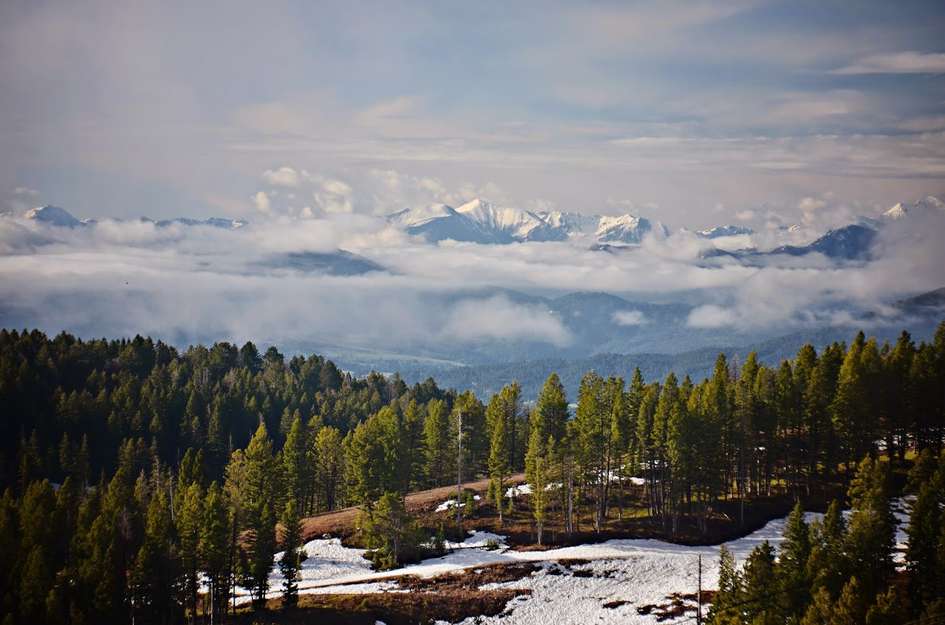
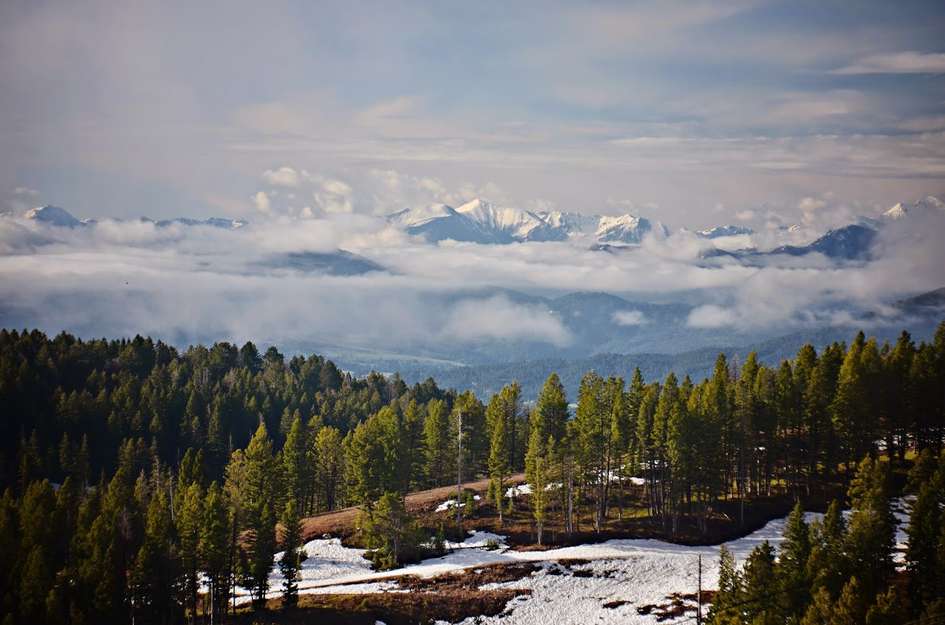
Look at any view from Bozeman right now and you’ll see the contrast. Snow-capped peaks in the distance, bare ground at your feet. The mountains above 7,000 feet are holding snow. The trails below that line are drying out weeks ahead of schedule.
This split means the typical “mud season” that shuts down lower-elevation trails in March and April is starting now, and in many places, it’s already passed. Trails that would normally be snow-covered and impassable are firm and hikeable.
Trails Open Right Now
I’ve been out on The M and Peets Hill in the last few weeks, and both were completely dry. The M was less busy than I’ve ever seen it, which is saying something. In summer and tourist season, that trail is packed. Right now you can actually enjoy the views without dodging crowds.

Here are a few other lower-elevation options worth checking out:
Drinking Horse Mountain - Right across the road from The M, this 2.3-mile loop climbs to a 5,522-foot summit with views of the Bridger Range and Gallatin Valley. Better views than The M, fewer people, and right now, dry trail.
Sourdough Canyon / Bozeman Creek Trail - A longer option if you want to stretch your legs. The lower sections should be in good shape, though expect snow and mud as you gain elevation.
Peets Hill - Not technically a hike, but if you just need to get outside and move, this Bozeman staple is ready to go.
What to Expect
Just because the snow is low doesn’t mean conditions are perfect. Here’s what you should know:
Mud is real. Some trails are dry, others are muddy messes. North-facing slopes hold moisture longer. Stick to south-facing aspects and exposed ridgelines for the driest conditions.
Mornings are still cold. Temperatures are swinging from the 20s at night to the 40s and 50s during the day. Start later if you want warmer conditions, or layer up for an early start.
Higher elevations are still winter. Don’t mistake dry valley trails for open backcountry. Anything above 6,500 feet likely still has significant snow. Check conditions before heading into Hyalite or the Spanish Peaks.
Weather changes fast. We could get a late-season dump that buries everything. Or we could stay dry through March. Check the forecast and be flexible.
Wildlife pressure starts early too. If you are using dry foothill trails for shed season, read the 2026 Montana shed-hunting safety and ethics guide before you head out.
What Spring Might Look Like
If current conditions hold, we could see an unusually early start to the hiking season at mid-elevations. Trails like Lava Lake, Palisade Falls, and the lower portions of Hyalite that typically don’t clear until late May or early June might be accessible weeks ahead of schedule.
Mud season is the wildcard. In a normal year, snowmelt creates a few weeks of soggy, rutted trails that make hiking miserable and cause trail damage. This year, with less snow to melt, that window could be shorter. Or it could just arrive earlier and drag on if we get spring rain instead of snow.
The high country is harder to predict. Trails above 8,000 feet like Mount Blackmore, the Beaten Path, and the high lakes in the Spanish Peaks depend on consistent snowpack that takes time to melt. Even in a drought year, these trails won’t open until June at the earliest. A few warm weeks in April won’t change that.
The best approach is to stay flexible and pay attention. Check trail reports, talk to other hikers, and be willing to adjust your plans. The trails that are dry today might be muddy next week, and the trails that are buried now might open sooner than you expect.
The Mindset Shift
It’s easy to feel frustrated about a low snow year. Ski season cut short, nordic trails bare, ice climbing routes thin. I get it.
But here’s my take: we don’t have to choose between being a “skier” or a “hiker.” We just have to be Montanans who are adaptable enough to enjoy whatever the sky gives us.
So while I’m still doing my snow dance for the peaks, I’m also lacing up my hiking boots. The trails are dry. The crowds are thin. The views are the same as they’ve always been.
If life gives you a drought, find the dry trail.
Quick Reference
Best bets right now:
- The M
- Drinking Horse Mountain
- Peets Hill
- Lower Sourdough Canyon
Check conditions first:
- Anything above 6,500 feet
- North-facing trails
- Hyalite Canyon (road closes April 1 – May 15)
Gear to bring:
- Layers for temperature swings
- Gaiters if trails are muddy
- Microspikes if you’re pushing into higher elevations