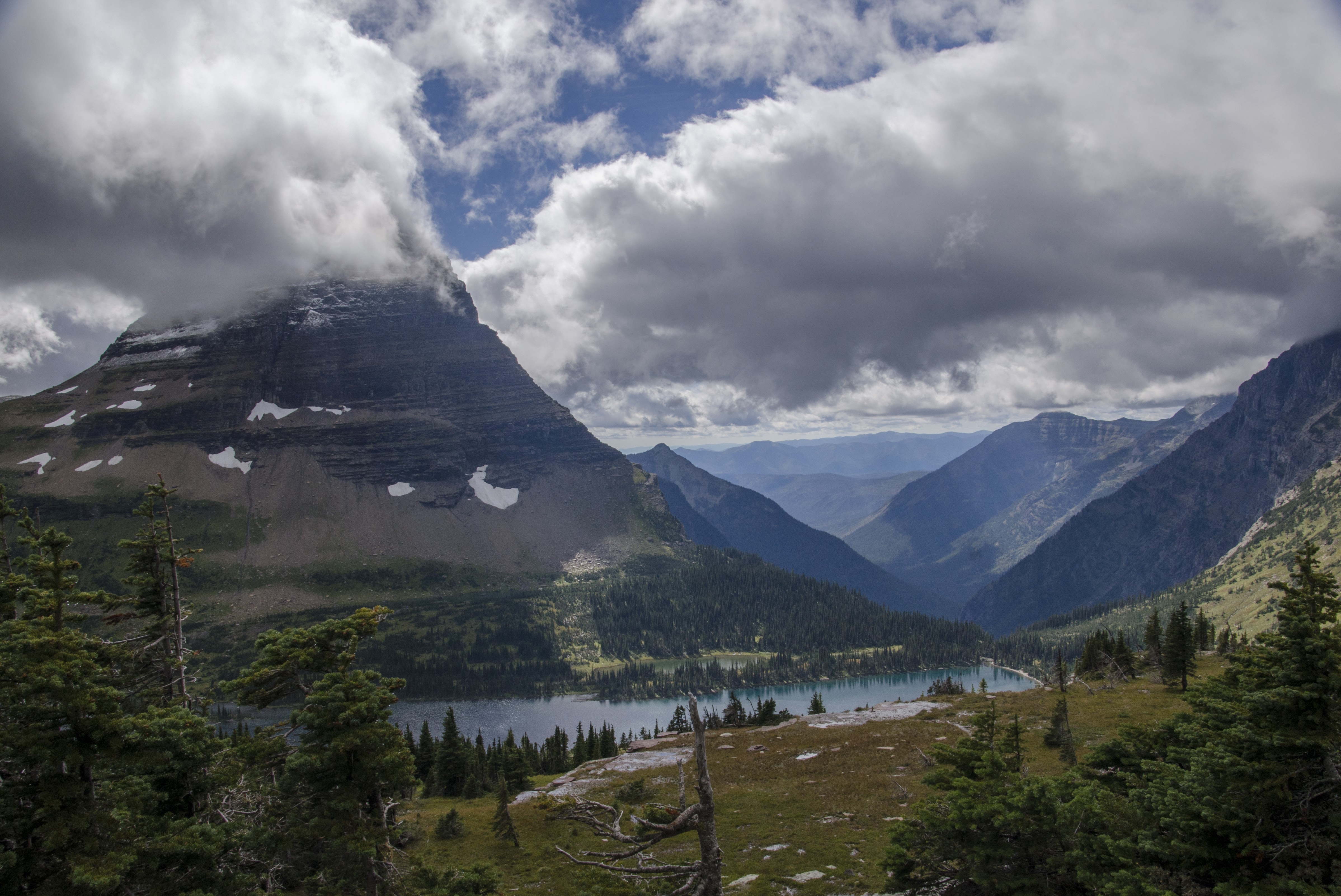
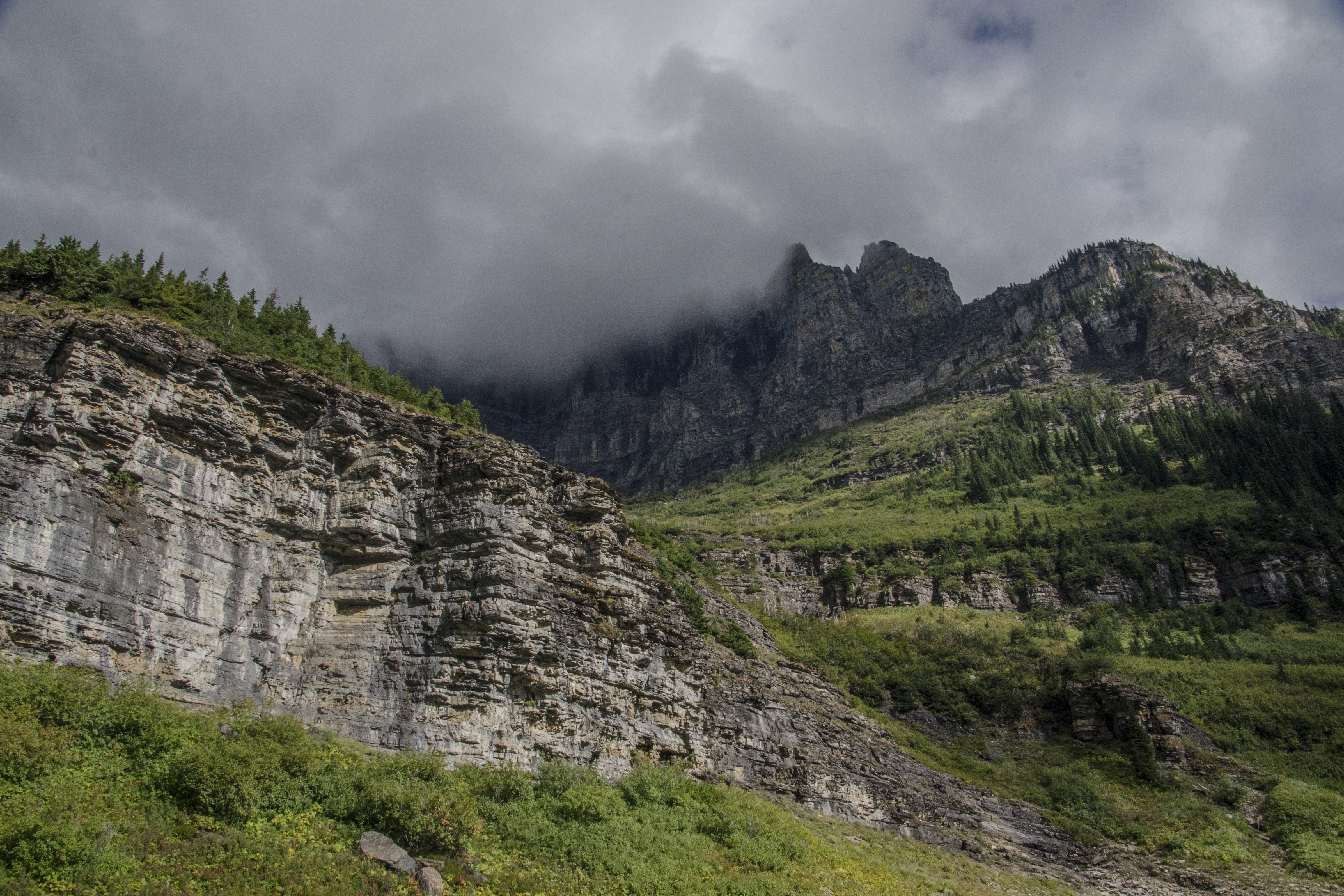
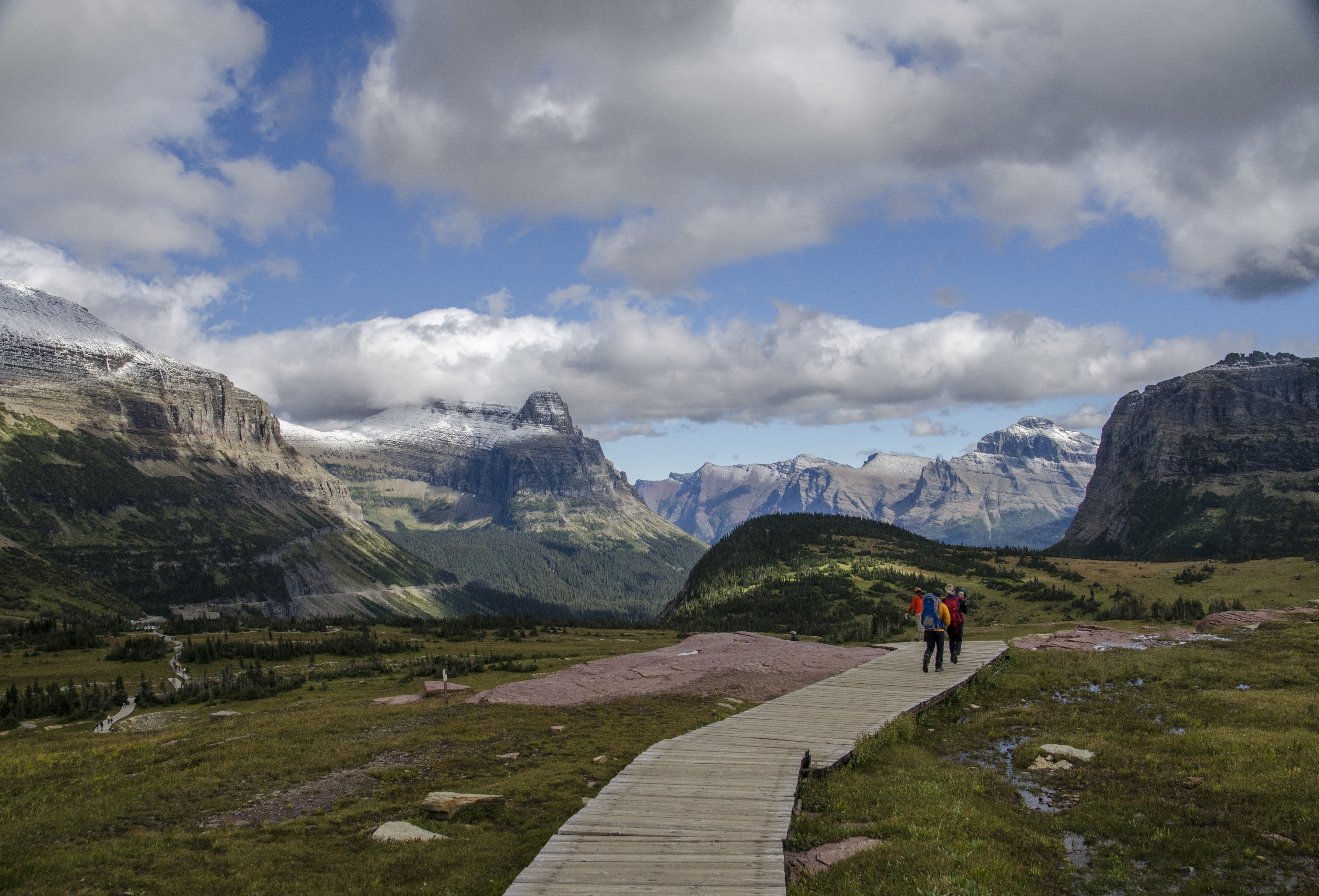
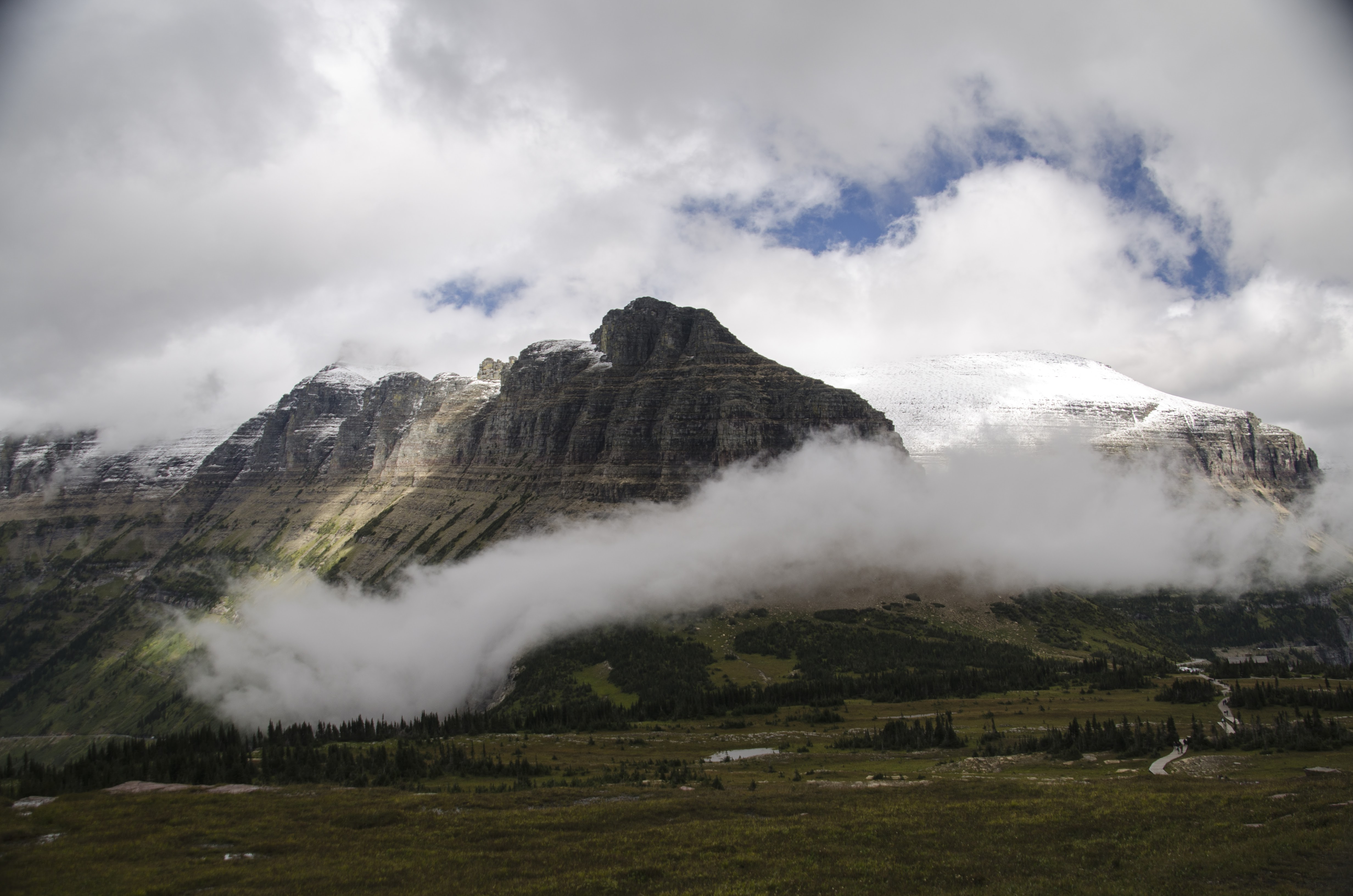
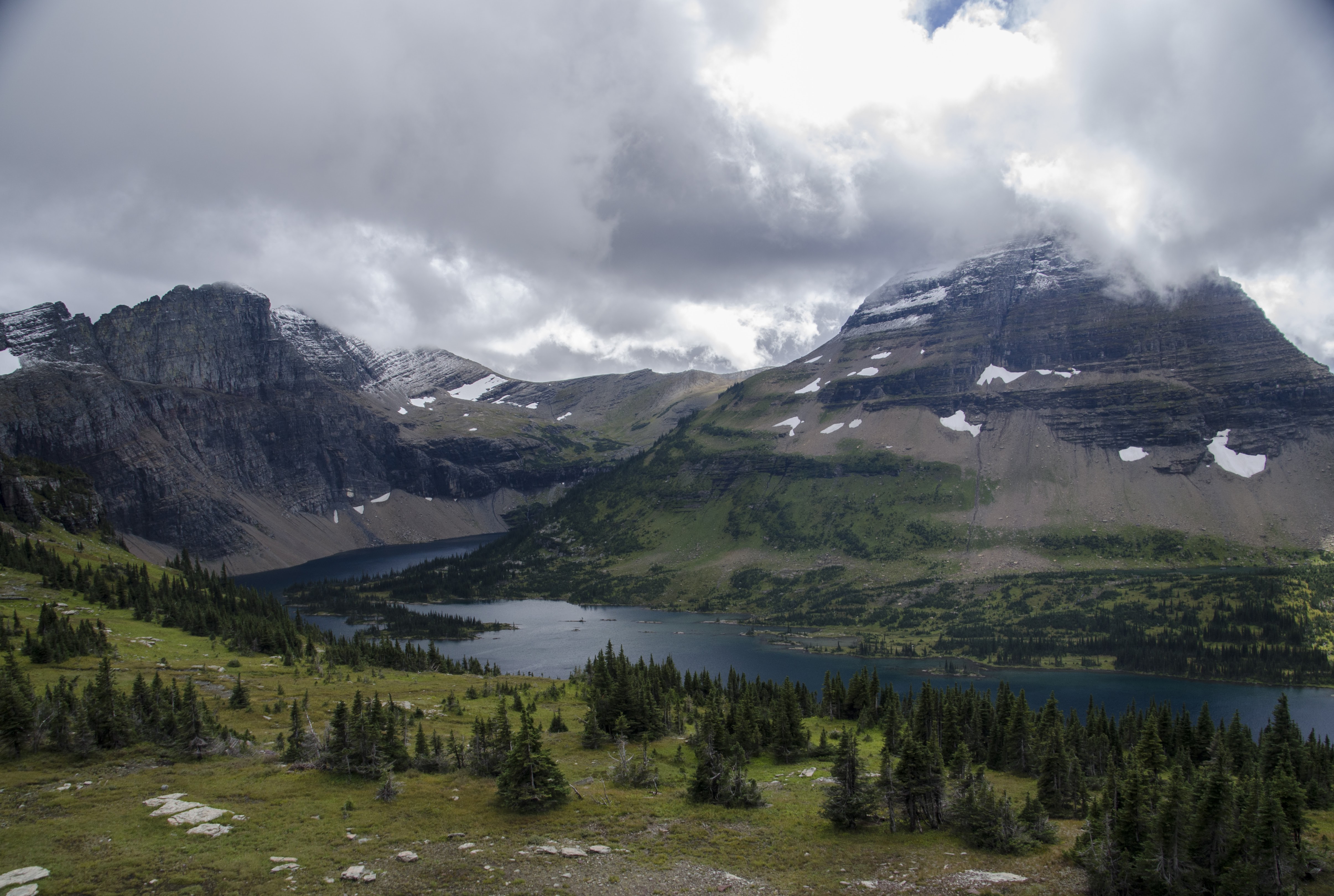
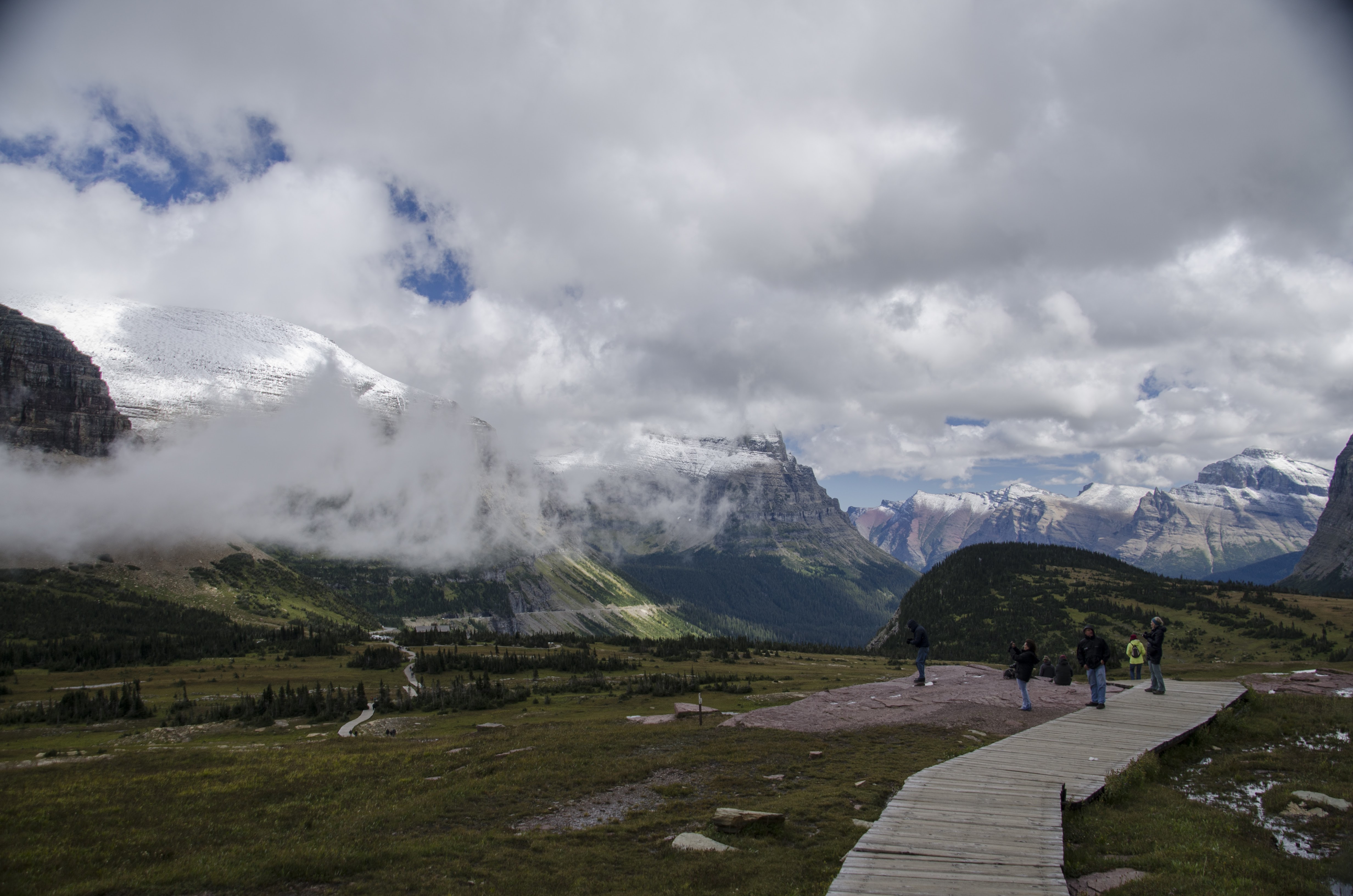
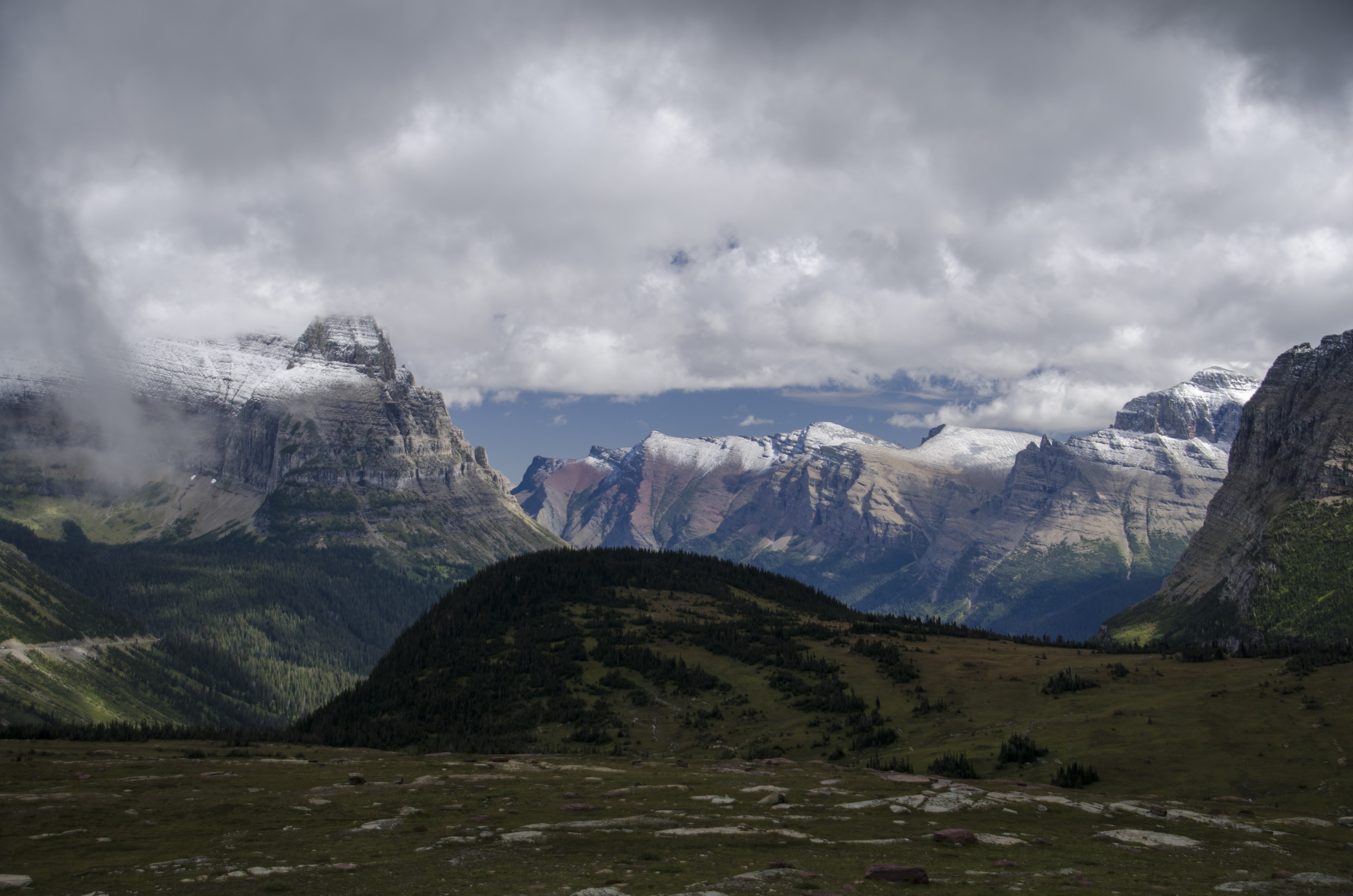
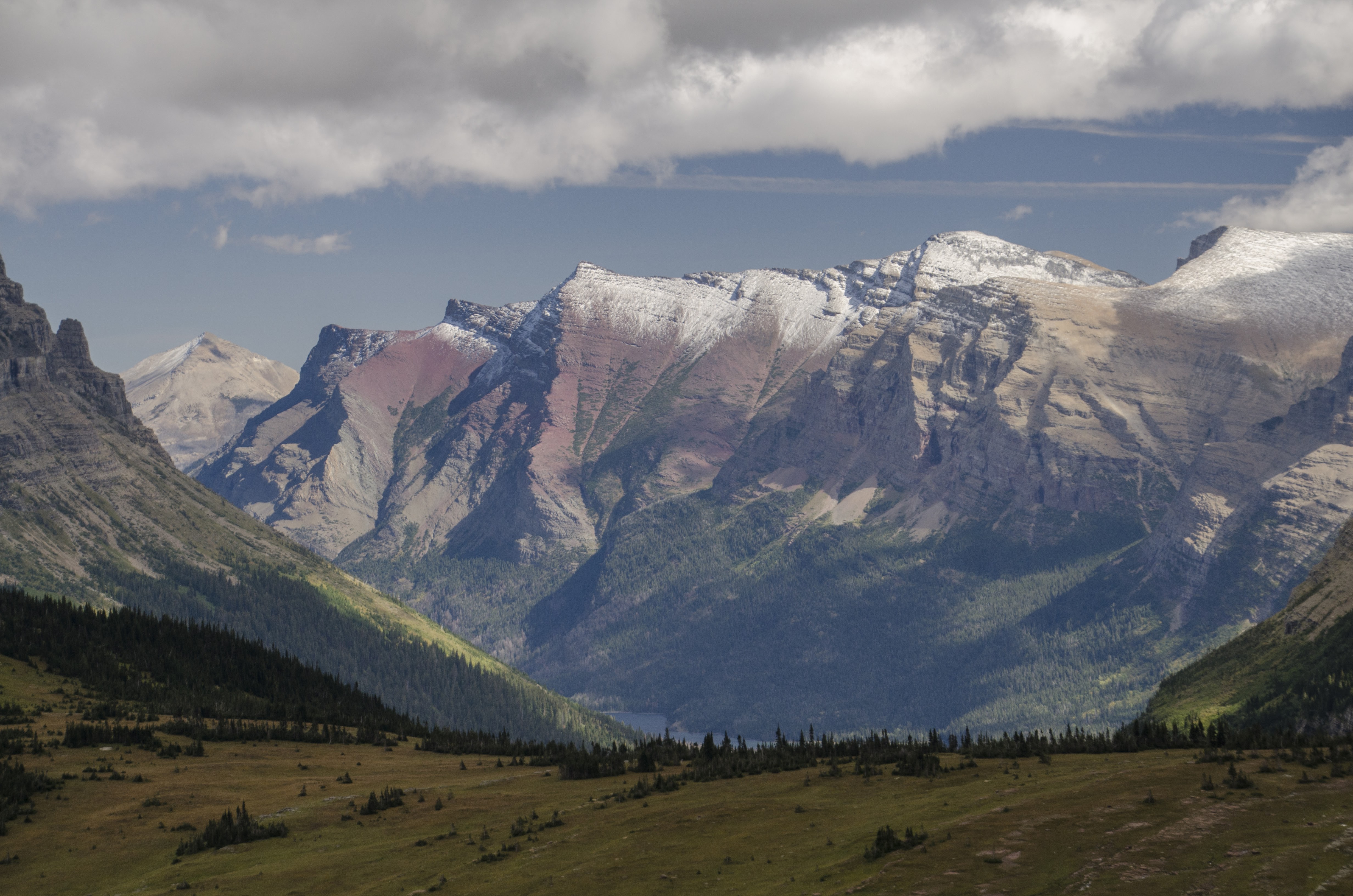
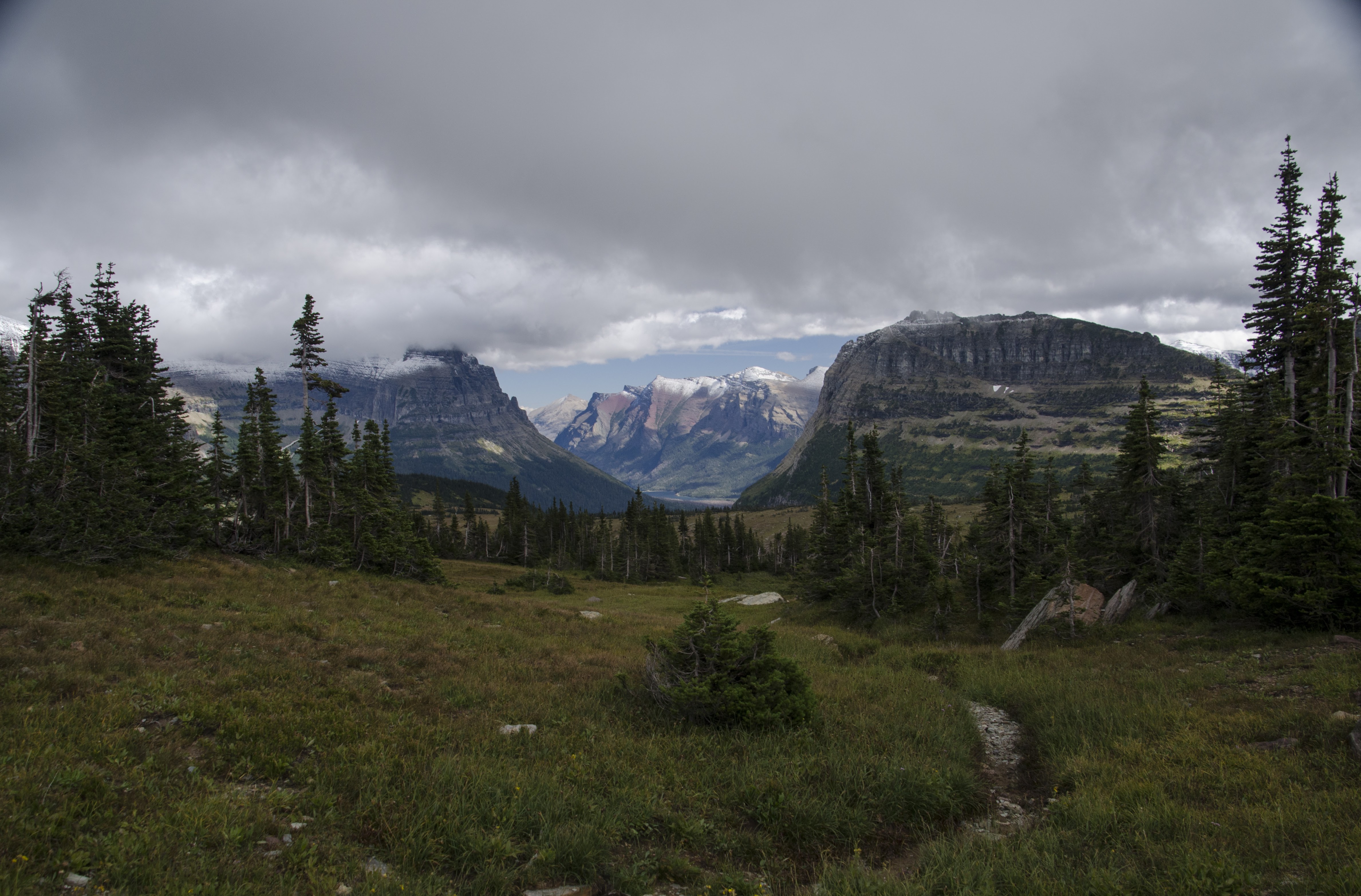
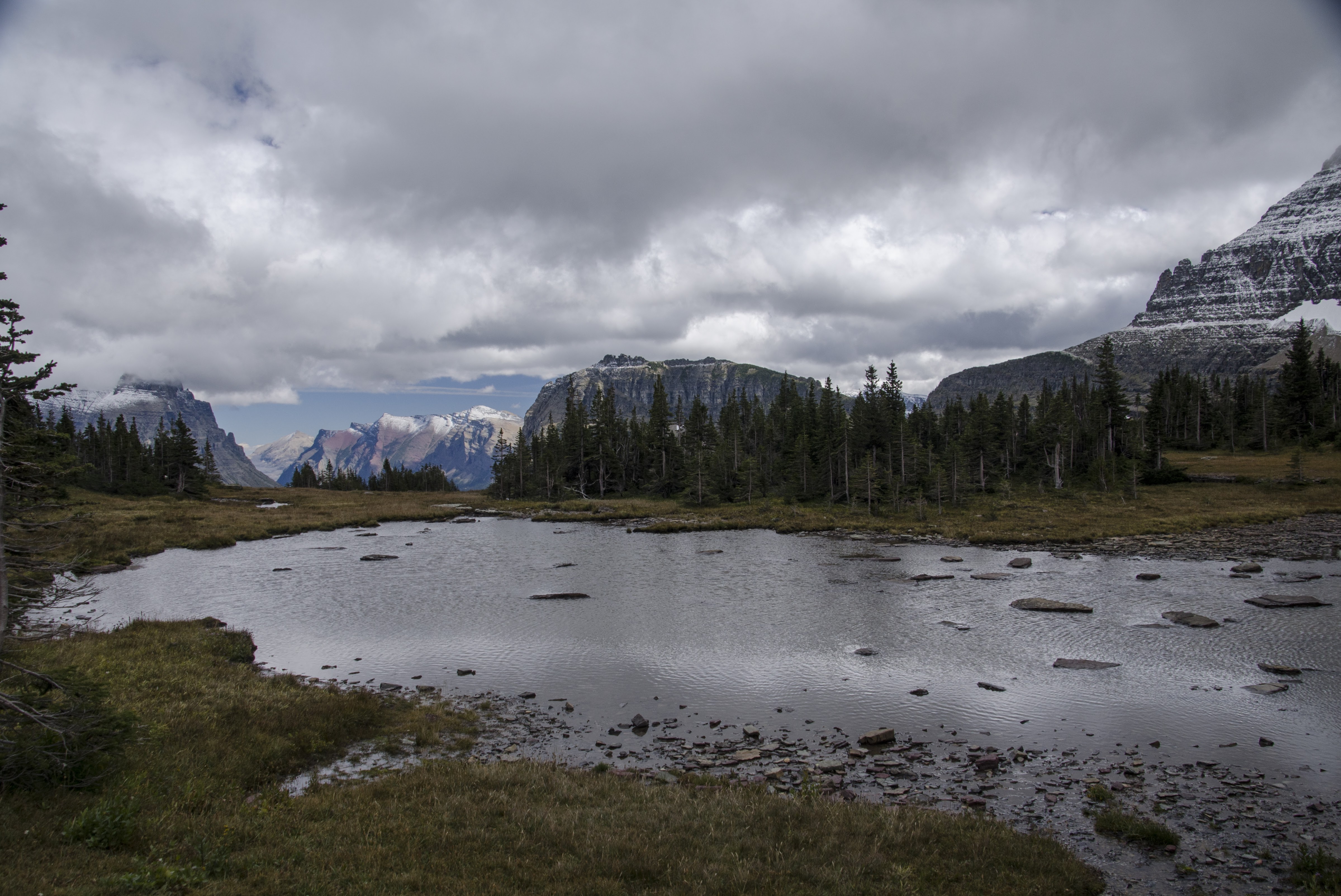
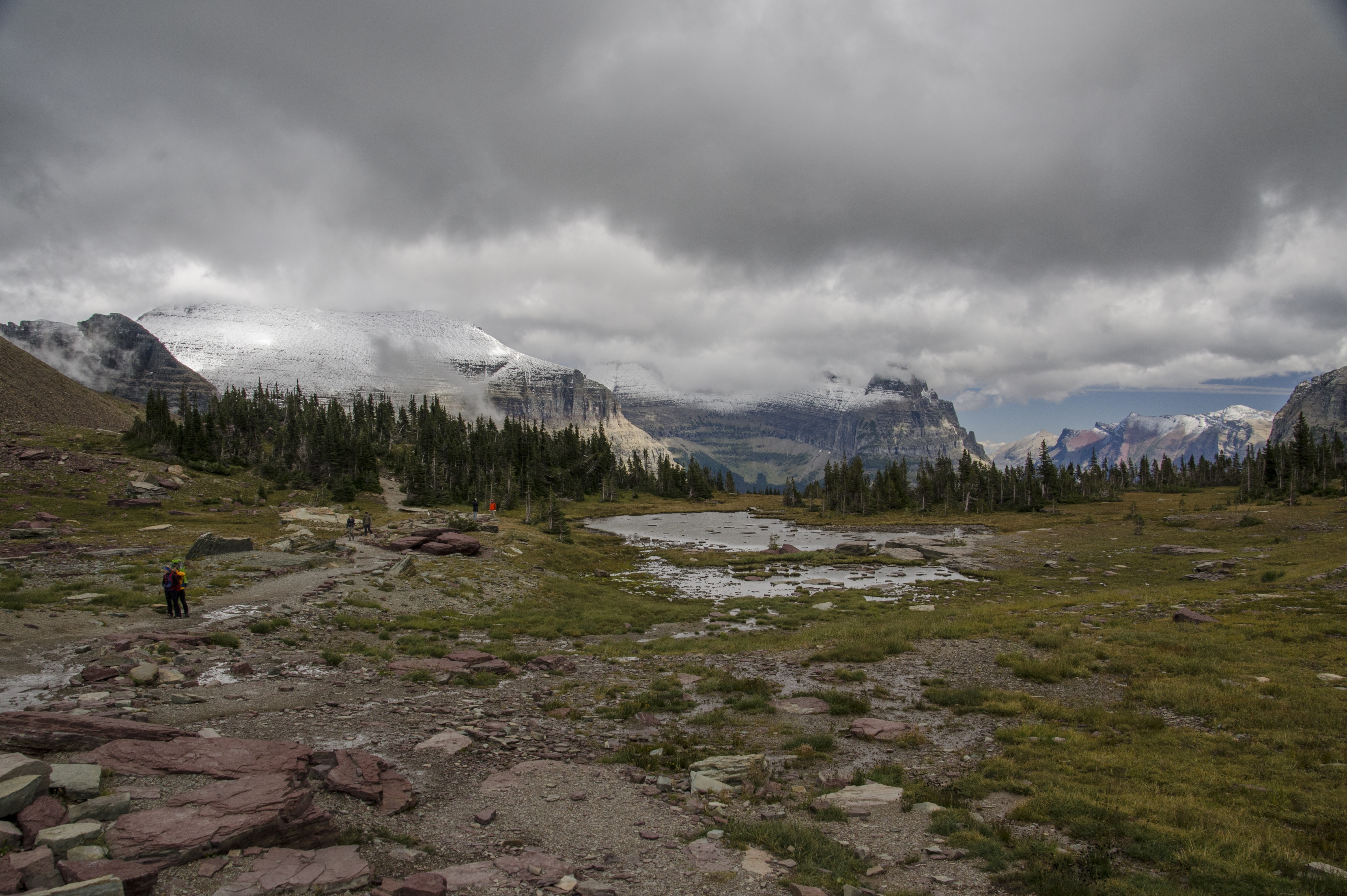
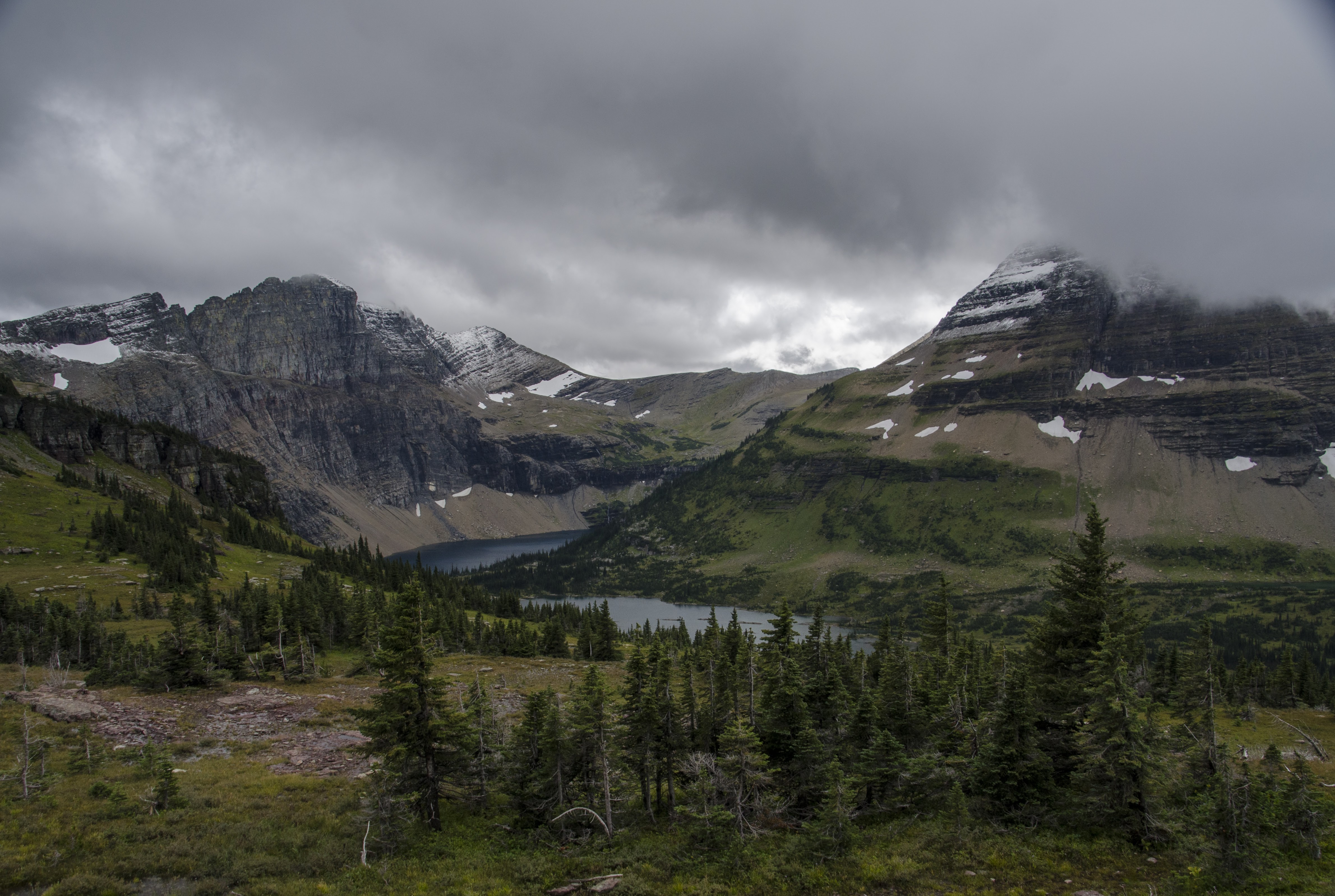
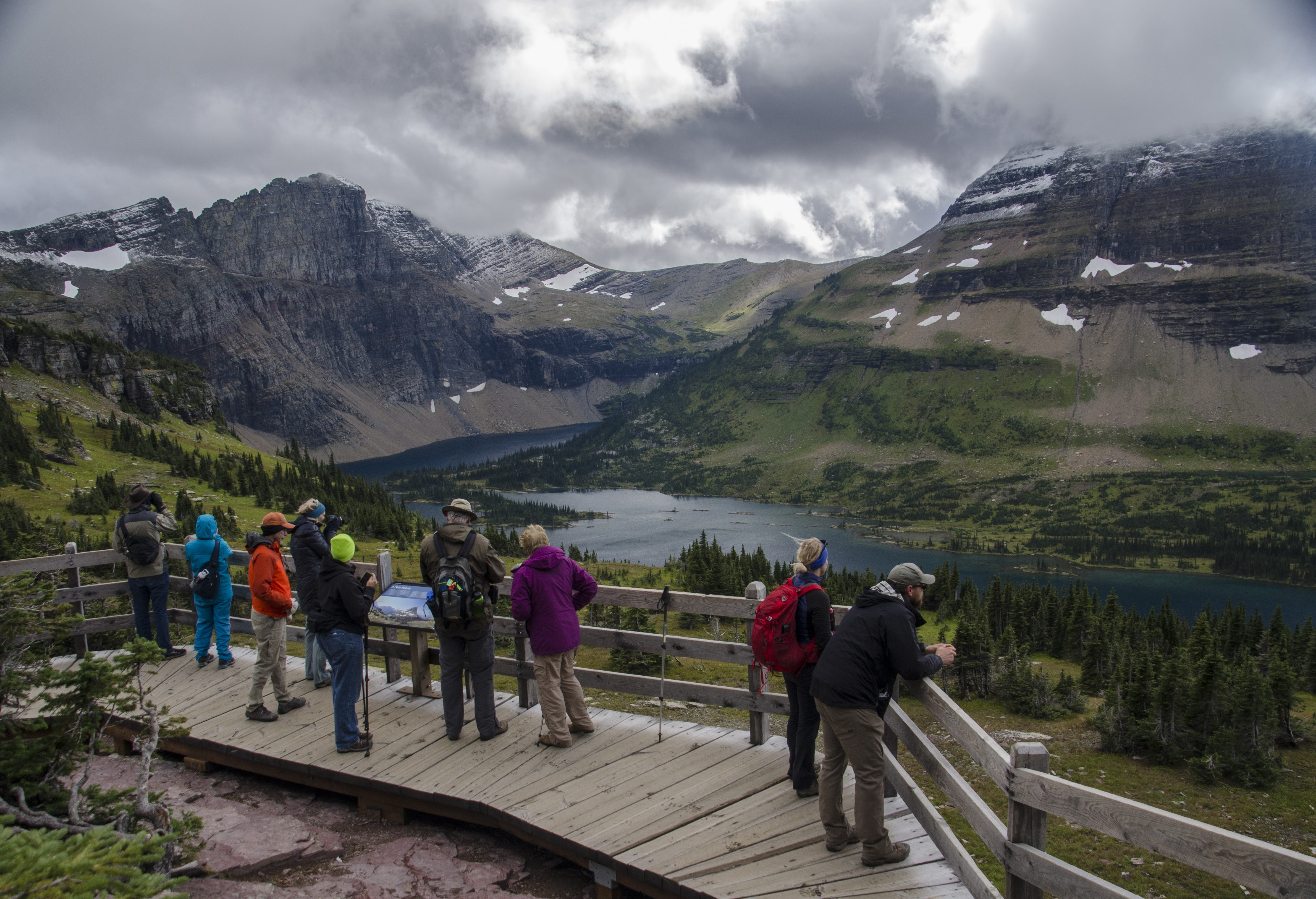
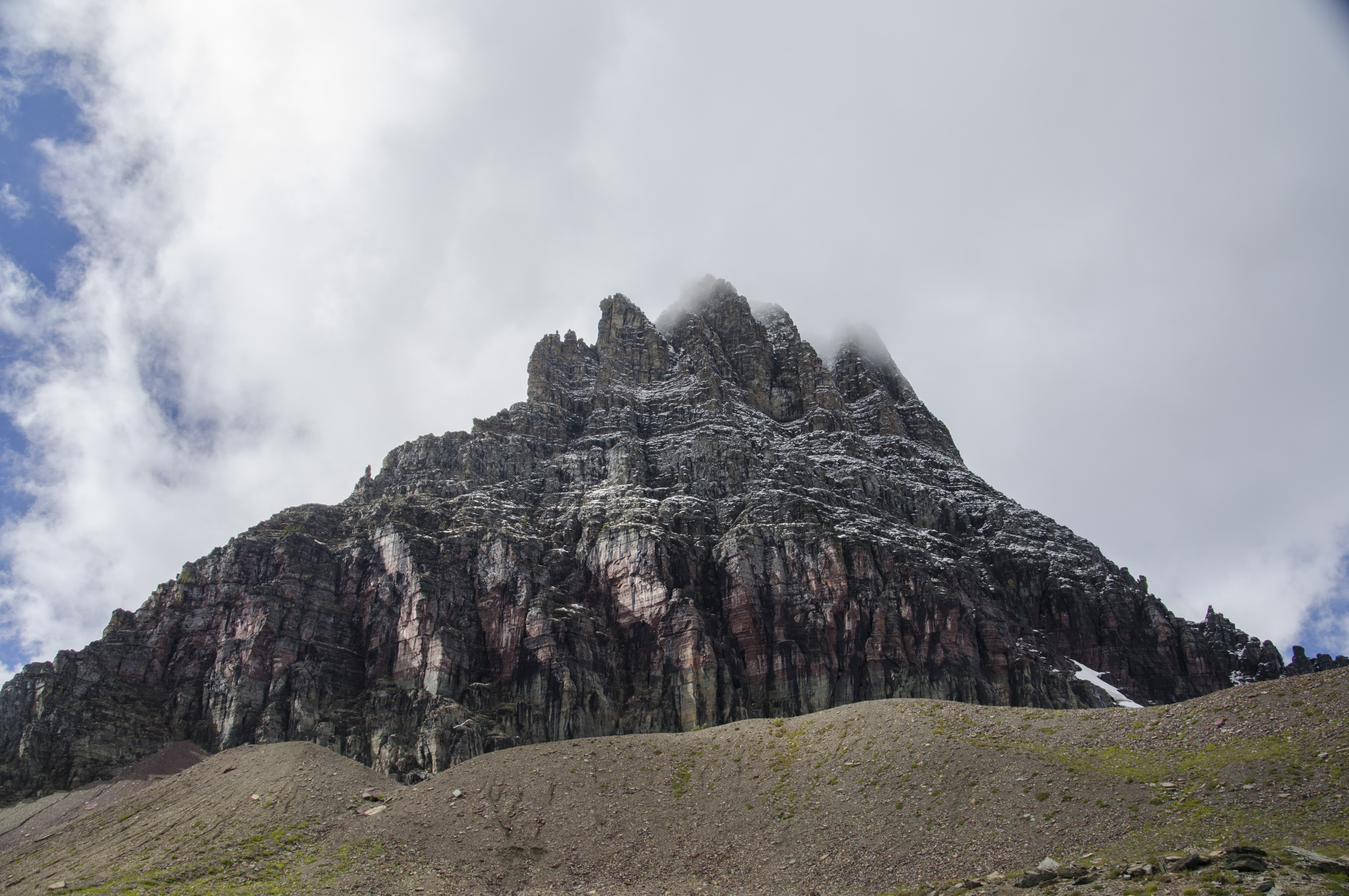
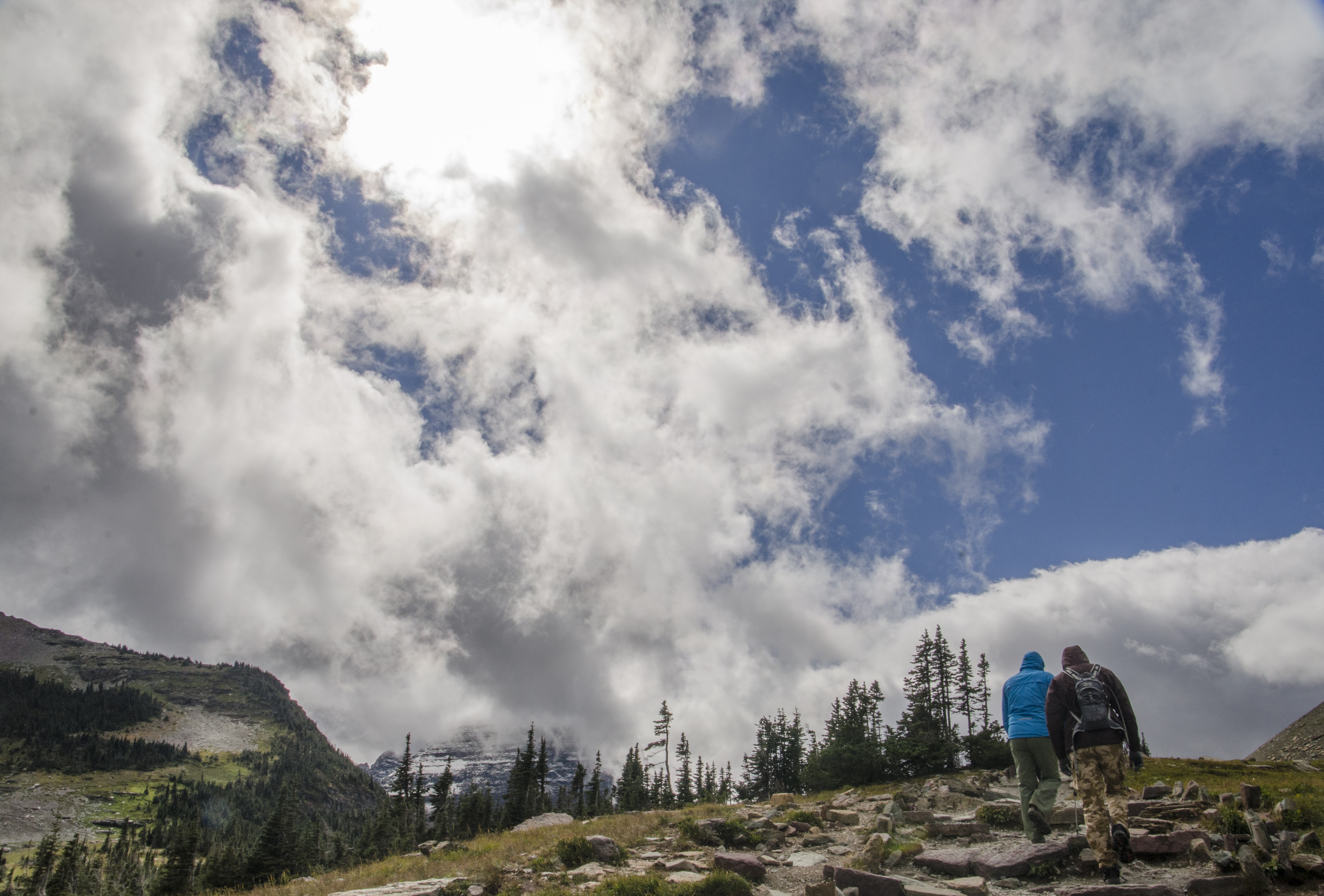
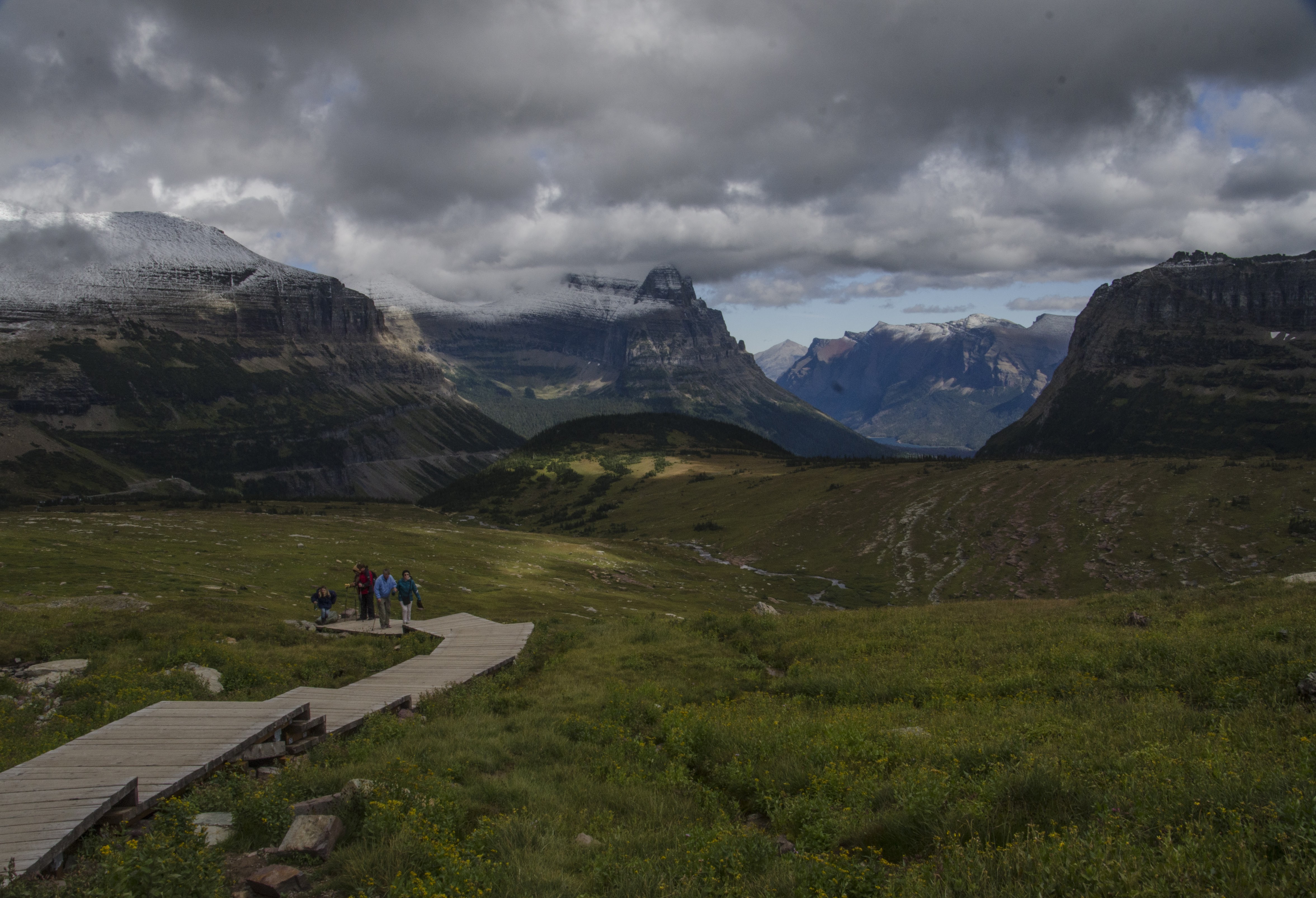
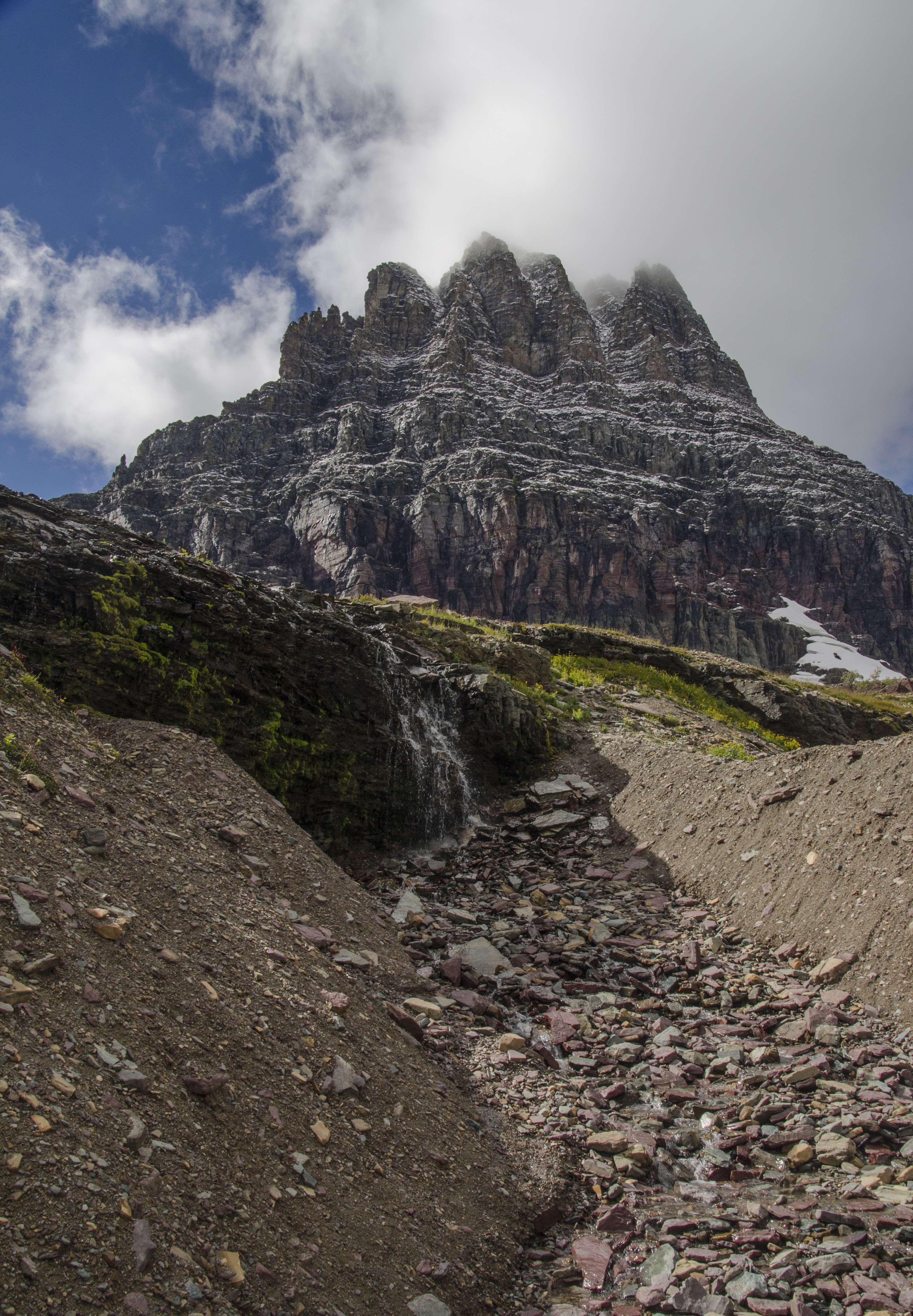
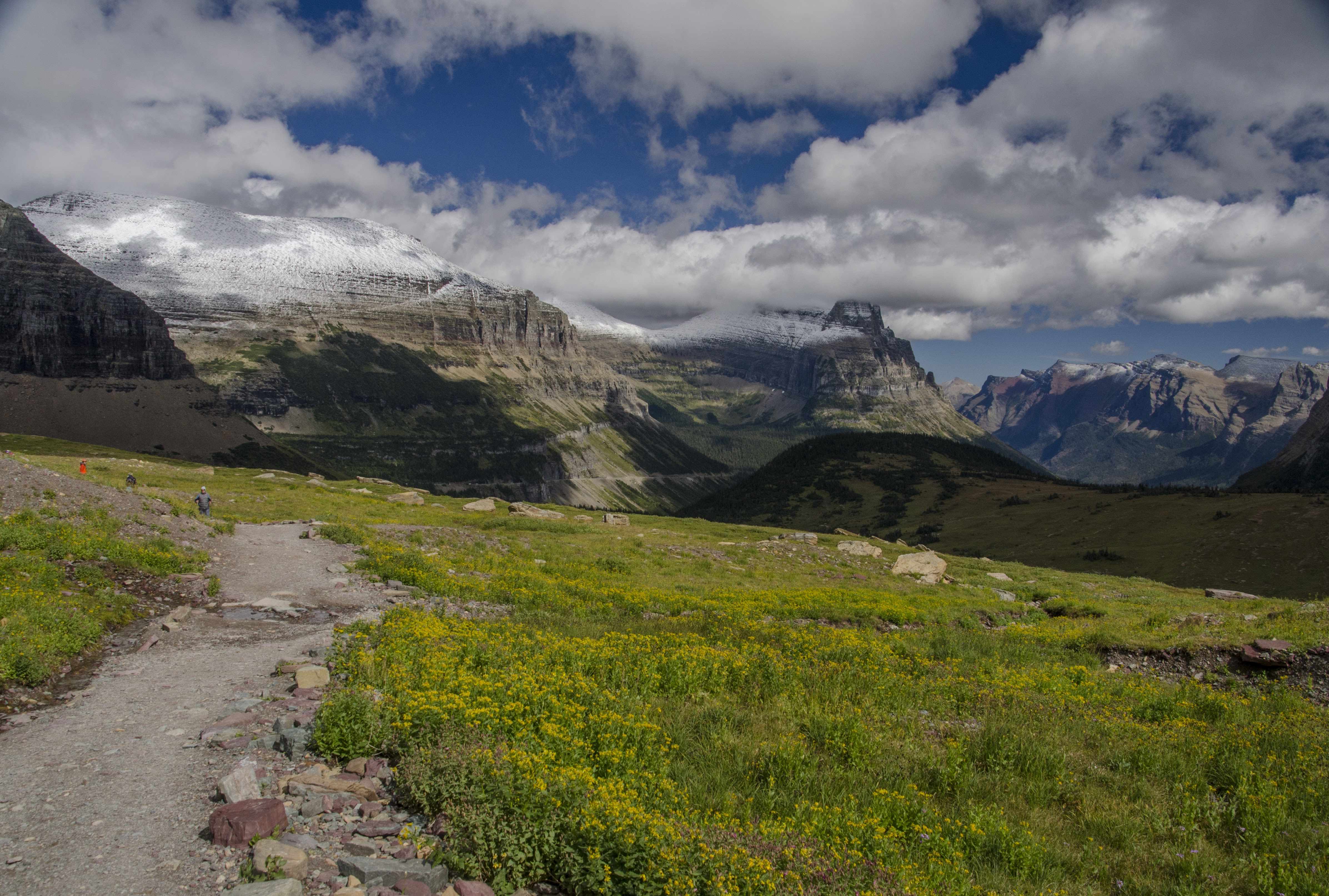
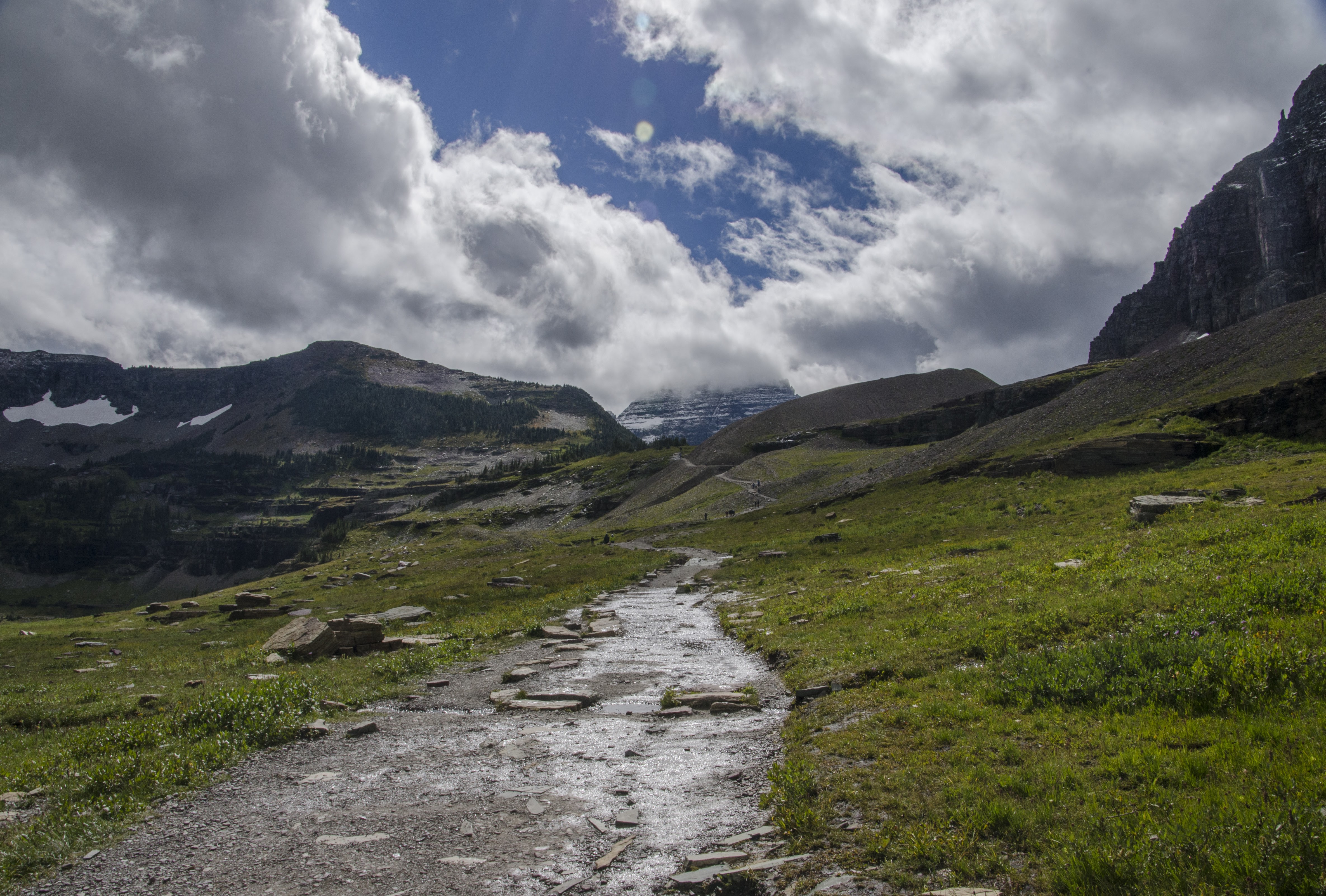
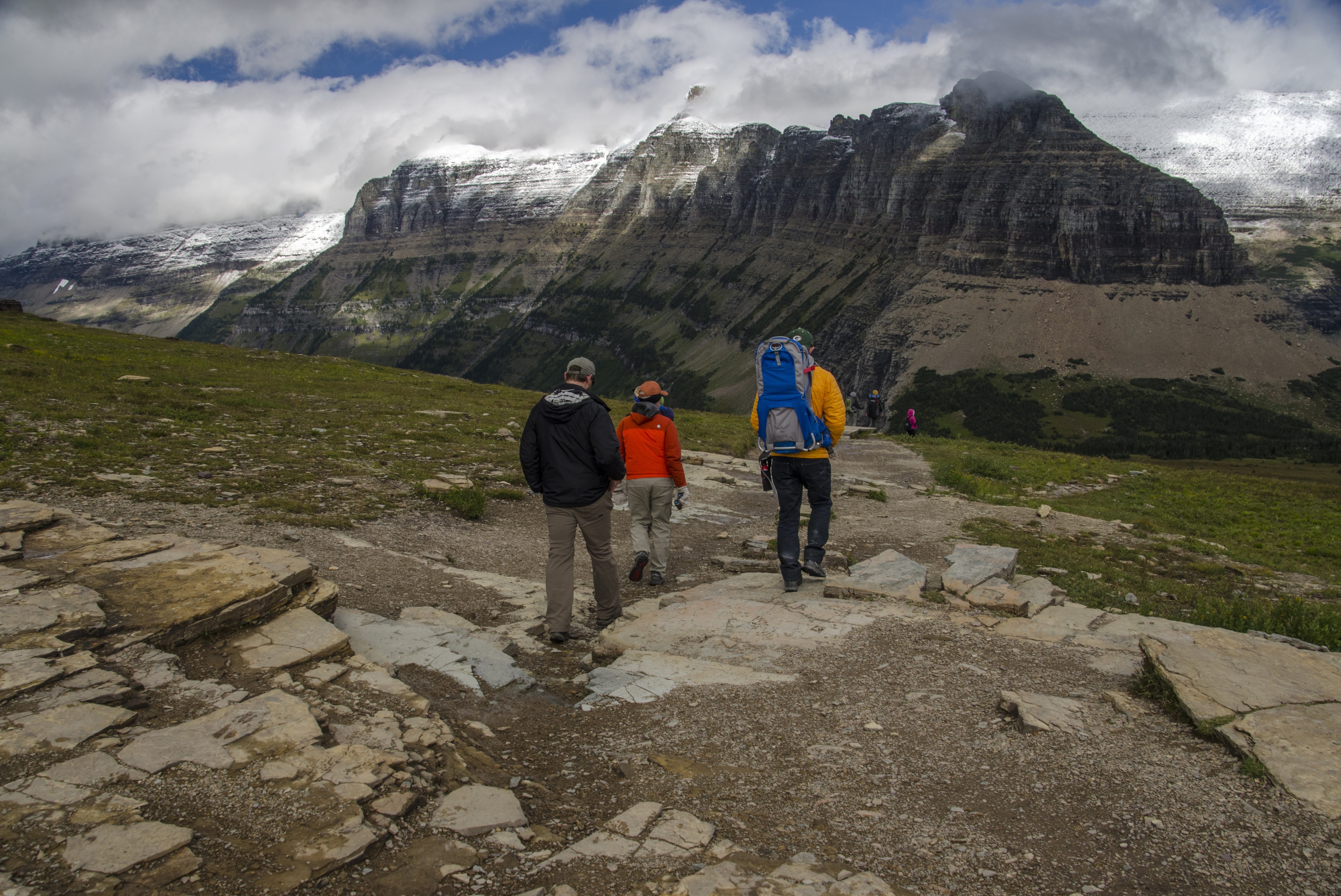
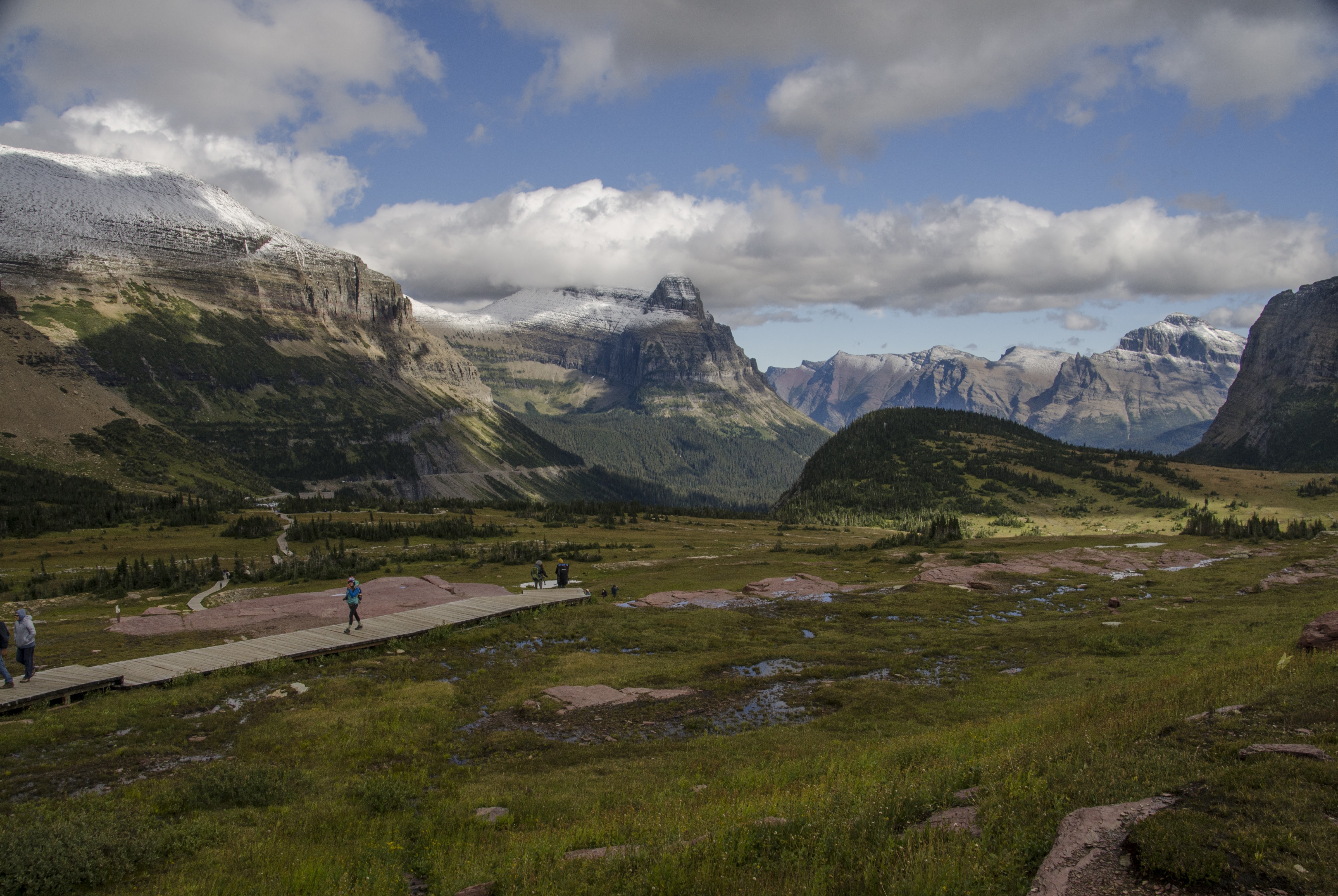
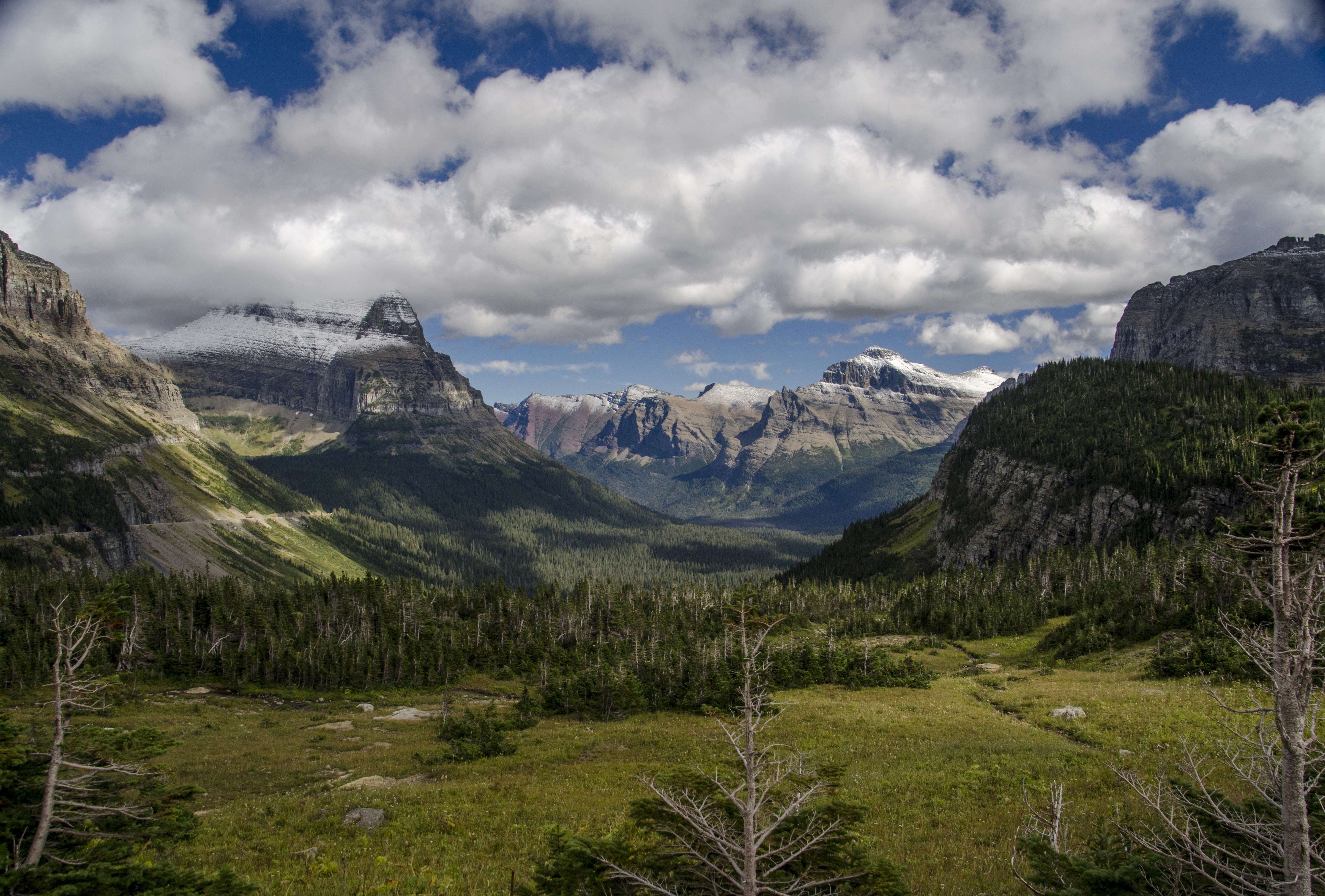
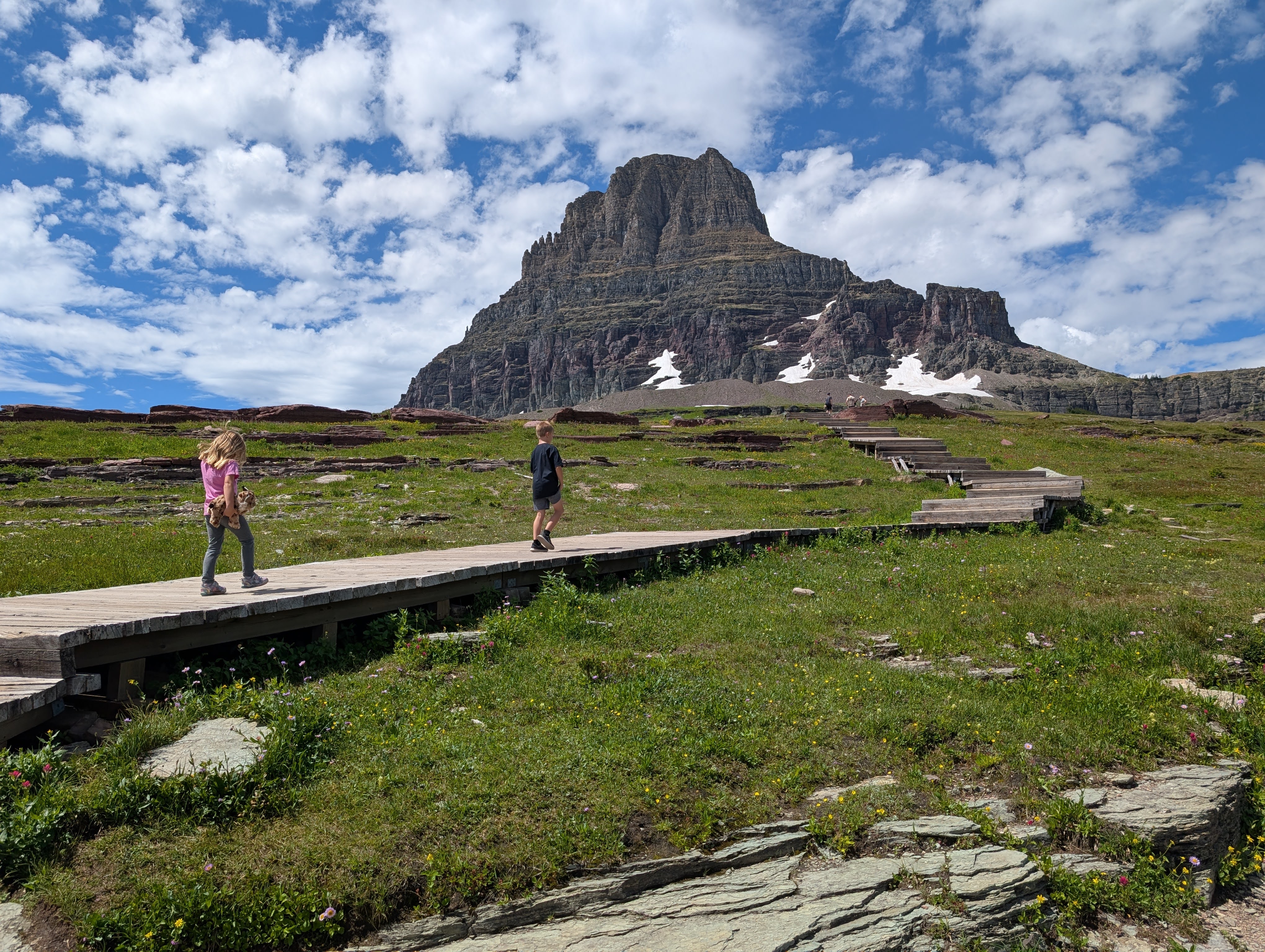
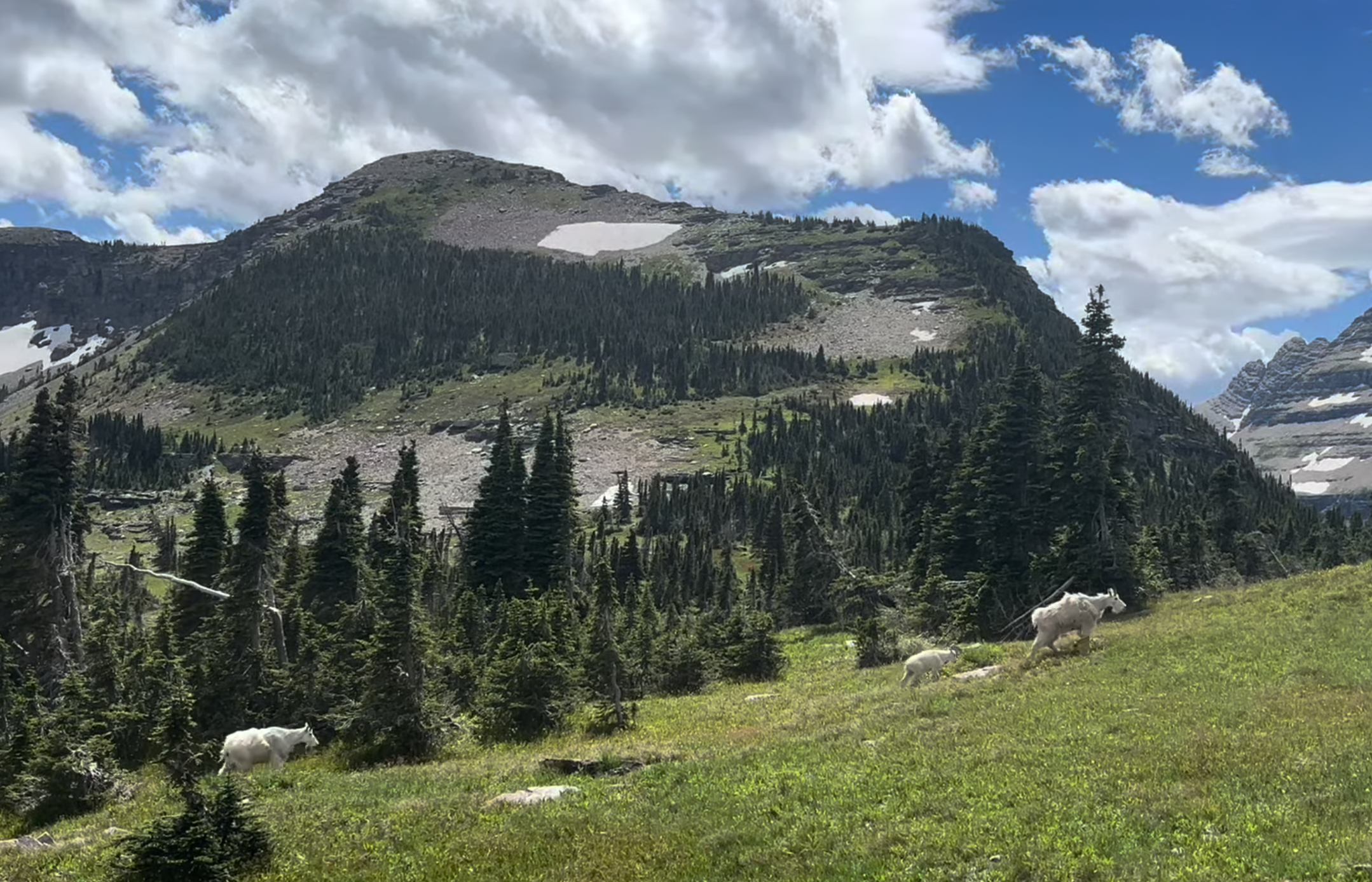
The view of Bearhat Mountain above Hidden Lake is one of the more impressive alpine scenes in Montana, and the trail to reach it is manageable enough that almost anyone can do it. The boardwalk through the Hanging Gardens puts you in the middle of an open alpine meadow at 6,646 feet without any difficult footing, and the mountain goats that frequent the area are remarkably unbothered by hikers.
The main thing to know is that the official overlook deck is not where the best view is. It is crowded, the angle is distant, and the photo you get there is the same one everyone has. Walk 200 yards past the deck, find the rocky ledges, and you get the lake and the peaks without the crowd. If you have three hours rather than one, continuing down to the lakeshore adds 2.3 miles and drops you to the actual water. The crowds thin dramatically past the overlook. Go past it.
Parking at Logan Pass is the single biggest challenge of this hike. The lot fills up early, often by 8:00 or 9:00 AM in peak season, and there is a 3-hour time limit. Plan on driving around for a while before a spot opens up. Getting there early or late in the day is your best bet. Alternatively, you can take the free park shuttle from the Apgar or St. Mary visitor centers to avoid the parking headache entirely.
The Logan Pass Visitor Center has restrooms available during operating hours. The visitor center is right at the trailhead, so take care of business before you start.
This is one of the most popular hikes in Glacier National Park, and it shows. On a summer day, expect a steady stream of people the entire way to the overlook. The overlook deck itself gets packed. If you want a quieter experience, start early in the morning or continue past the overlook toward the lake where the crowds thin out significantly.
Going-to-the-Sun Road is fully paved and well-maintained, but don't let that fool you. The narrow, winding road with steep drop-offs and no guardrails in places can be intimidating, especially if you're not used to mountain driving. Vehicles over 21 feet long or 8 feet wide are not allowed on the section between Avalanche Creek and Rising Sun. The drive itself is worth the trip.
Don't count on having cell service at Logan Pass or on the trail. Coverage is spotty to nonexistent throughout this part of the park.
Dogs are not allowed on any trails in Glacier National Park. Leave your pup at home or with a sitter for this one.
320 Miles from Bozeman, MT. 322 Minutes
From Bozeman, head West on Interstate 90 through Butte and continue to Missoula. From Missoula, take US-93 North through the Flathead Valley past Polson and Flathead Lake to Kalispell. From Kalispell, take US-2 East to West Glacier.
Enter Glacier National Park at the West Glacier entrance and follow Going-to-the-Sun Road approximately 32 miles to Logan Pass. The trailhead is located directly behind the Logan Pass Visitor Center. You can't miss it.
Be Advised: Going-to-the-Sun Road is only fully open from late June through mid-October, depending on snowfall. A vehicle reservation is required to drive Going-to-the-Sun Road during peak hours from late May through early September. Reservations are available at recreation.gov and sell out fast. Plan well ahead.
There are no reliable water sources on the trail to the overlook. Fill up at the Logan Pass Visitor Center before you start. For such a short hike, a single water bottle per person is plenty.
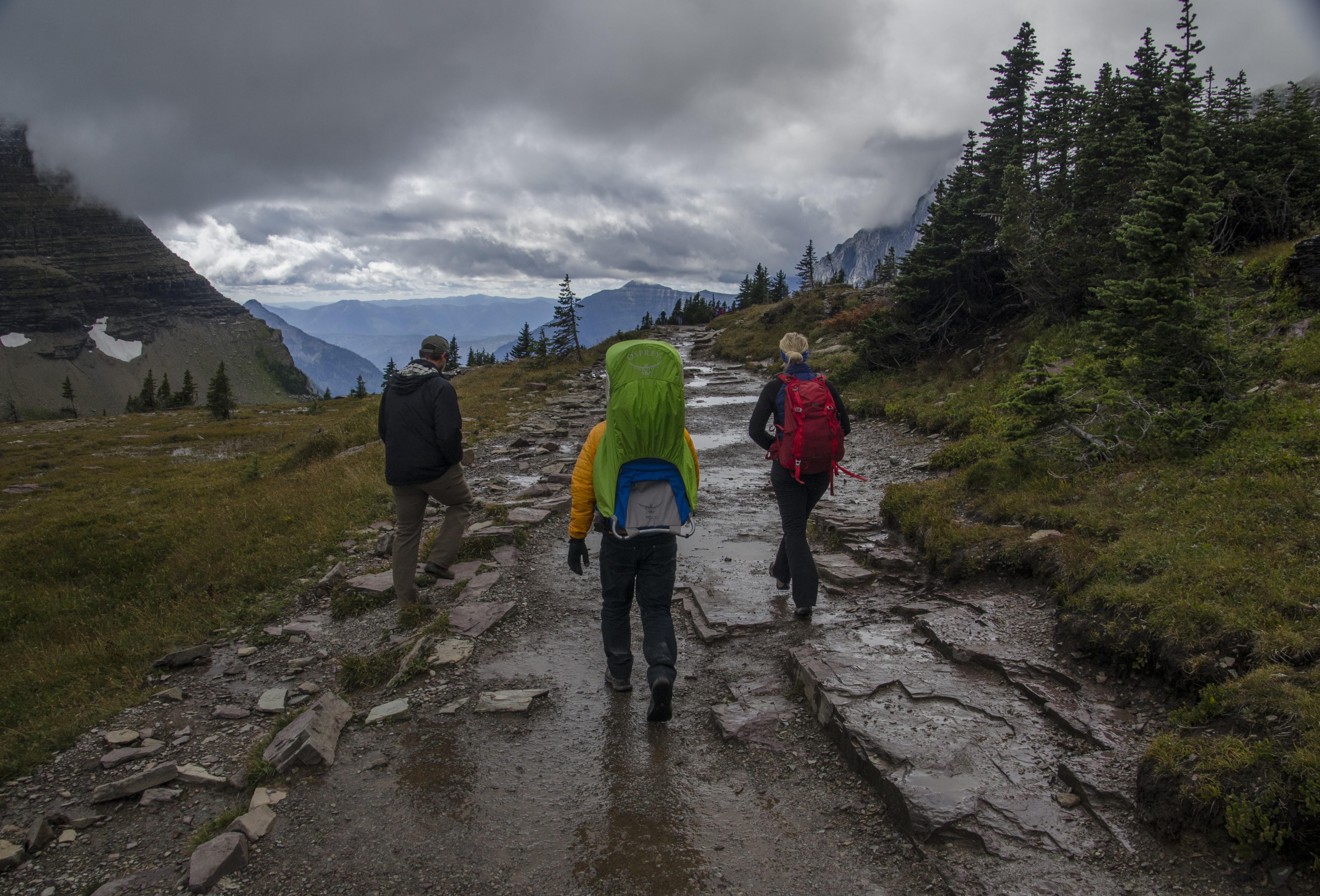
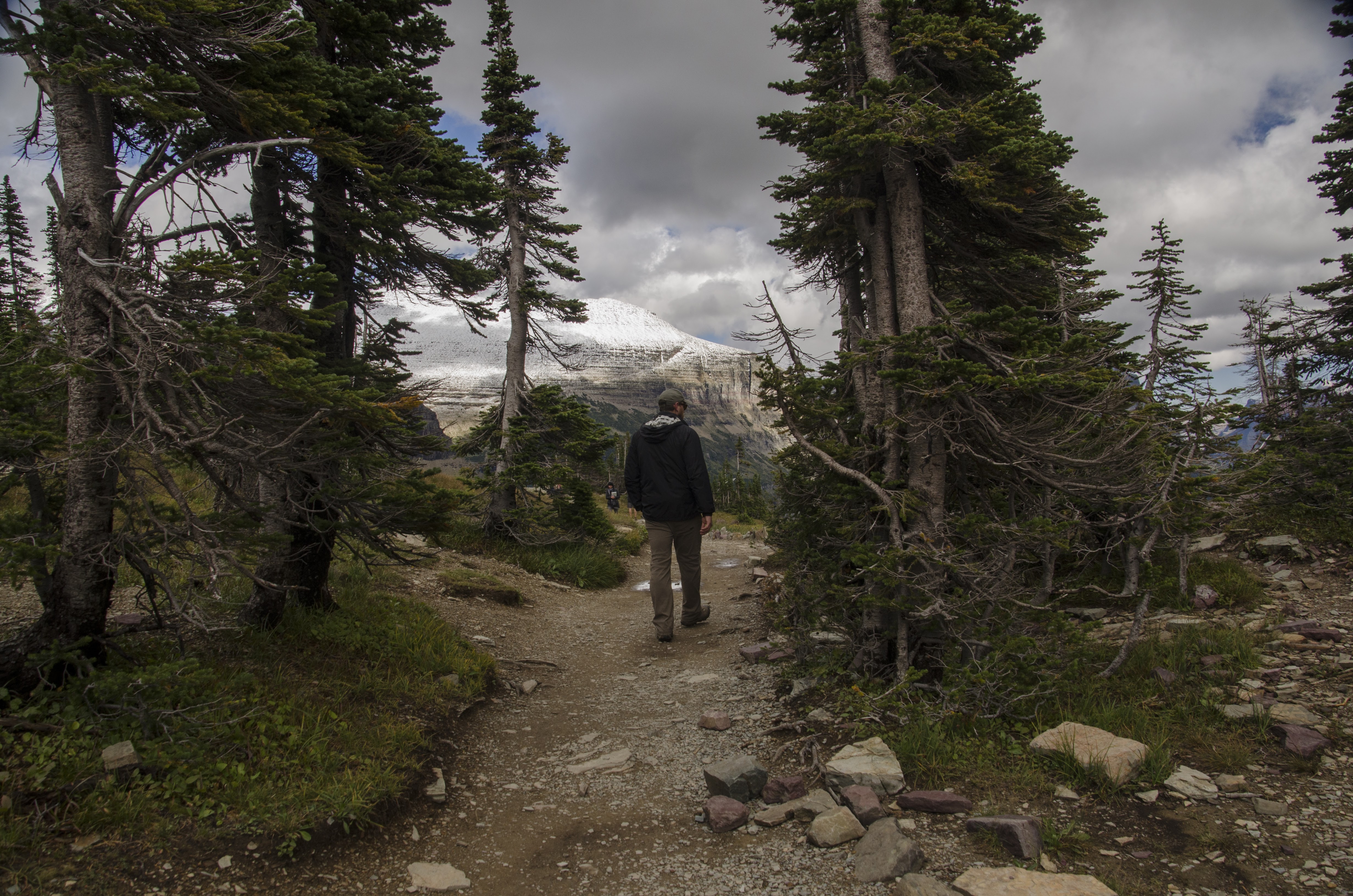
The first half of the trail is a well-maintained boardwalk designed to protect the fragile alpine meadows. Past the boardwalk, the trail becomes rockier and uneven but is still easy to follow. Snow can linger on sections of the trail well into July, which can make footing tricky in spots.
The trail is completely above treeline and exposed to the elements. Weather at Logan Pass can change in minutes, so bring a rain jacket and extra layers even if the forecast looks clear. Sunscreen and sunglasses are a must on sunny days since there is zero shade on this hike.
Footwear: Trail Shoes or Hiking Boots
This is a short hike, so you don't need to pack a full lunch. A granola bar or some trail mix will do the trick. If you're continuing down to the lakeshore, bring a snack to enjoy by the water.
At this elevation, bugs are generally not an issue. You may encounter a few mosquitoes near standing water in the meadows, but nothing that should require bug spray.
The entire trail is above treeline and completely exposed. On hot days, there is no escape from the sun. On stormy days, there is no escape from the wind and rain. Plan accordingly and bring sun protection.
This is a day hike only. Camping is not allowed at Hidden Lake or along the trail. If you're looking to camp in Glacier, there are several developed campgrounds throughout the park, though reservations fill up months in advance.
Hidden Lake (Lakeshore)
The trail continues past the overlook and drops steeply down to the shore of Hidden Lake, adding about 2.3 miles round trip to your hike. The lakeshore is well worth the extra effort and significantly less crowded than the overlook. Just keep an eye on the clock if you're under the 3-hour parking limit at Logan Pass.
National Geographic Trails Illustrated Glacier and Waterton Lakes National Parks (#215) covers this trail and the entire park.
Mid-July through mid-September is the reliable window. Going-to-the-Sun Road is fully open late June through mid-October depending on snow, and vehicle reservations are required during peak hours from late May through early September.
Late July through August: road fully open, trail clear of snow, wildflowers in the Hanging Gardens, mountain goats on the ridge.
Late June and September: June often still has snow on the trail, September has lighter crowds and sharp clear-day views.
Before late June: Going-to-the-Sun Road may not be fully open depending on snowfall. October and later bring seasonal road closure.
Yes, during peak hours from late May through early September, you need a vehicle reservation to drive Going-to-the-Sun Road in the Logan Pass area. Reservations are available at recreation.gov and sell out fast. Check current requirements before your trip.
The Logan Pass parking lot is small relative to demand, fills by 8 to 9am in peak season, and has a 3-hour time limit. The free park shuttle from Apgar or St. Mary Visitor Centers is the easiest solution.
No. Dogs are not allowed on any trails in Glacier National Park.
The rocky ledges 200 yards past the deck are better, with fewer people and a slightly different angle on the lake. Most people stop at the deck. Walk past it.
Yes, if you have time and a parking spot that allows it. The lakeshore adds about 2.3 miles round trip and significantly fewer people than the overlook. Budget 3 hours total and watch the parking limit.
Plug 2.7 miles and 540 feet of elevation gain into our free hiking time calculator for a personalized estimate.