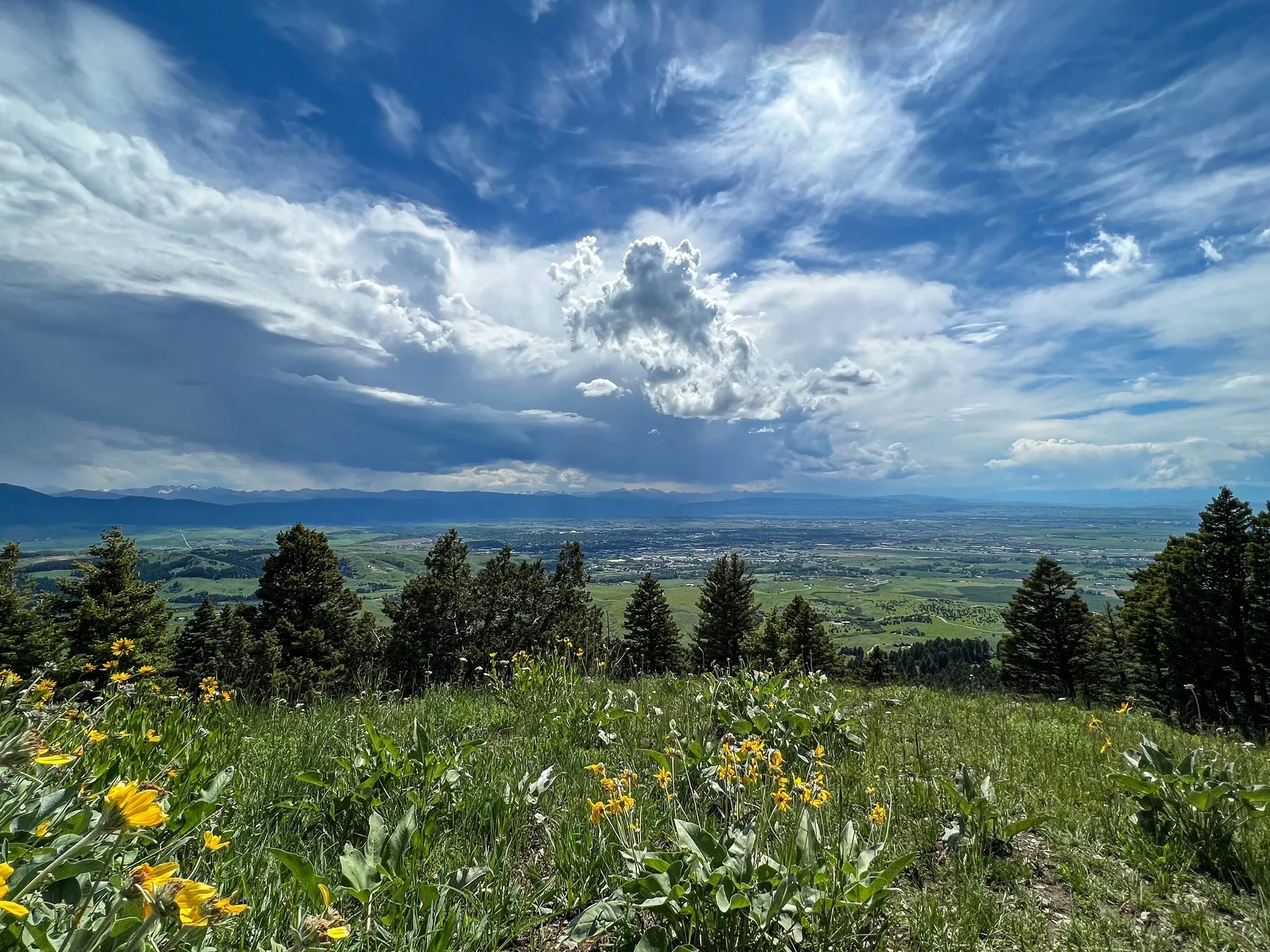
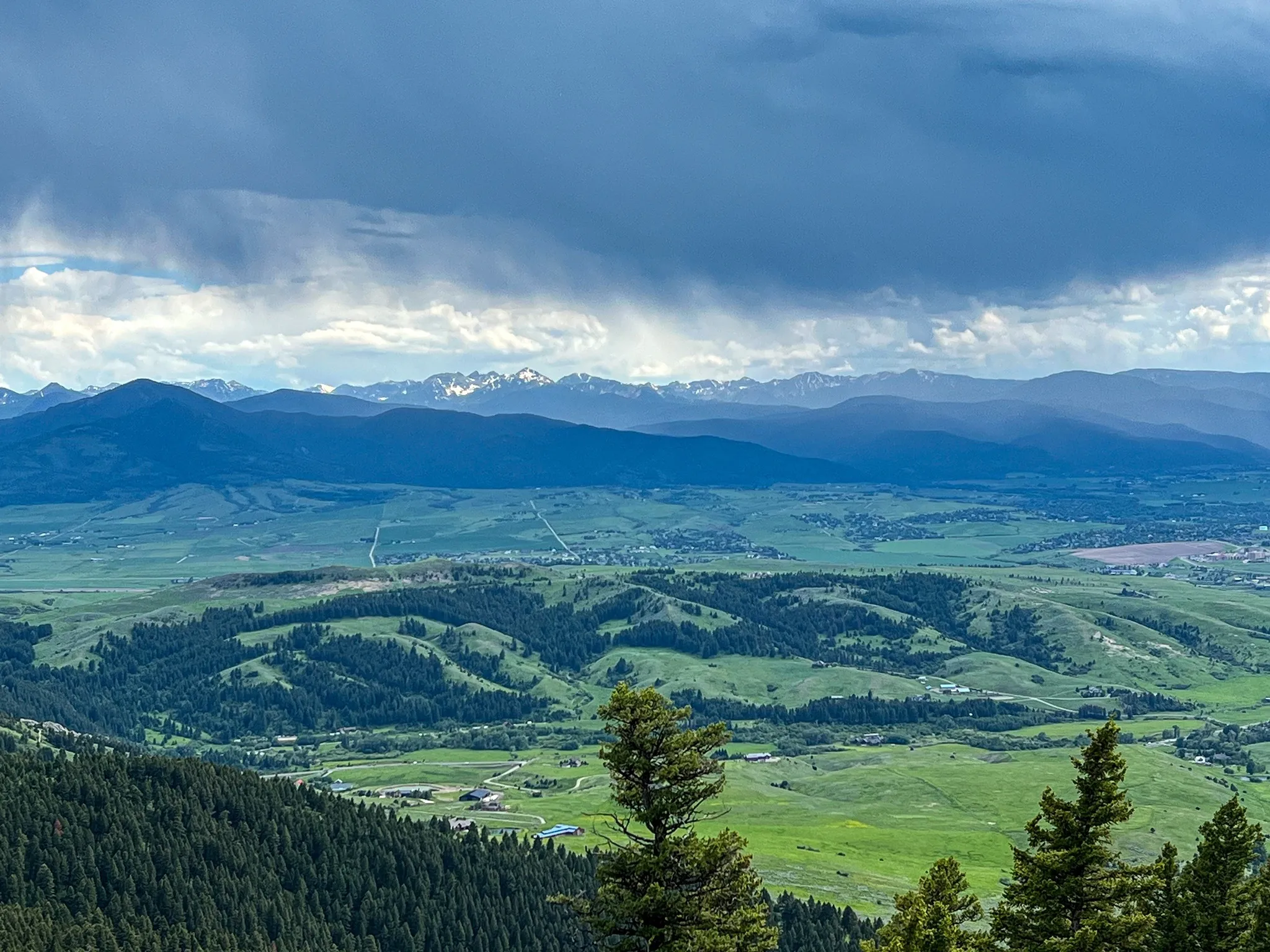
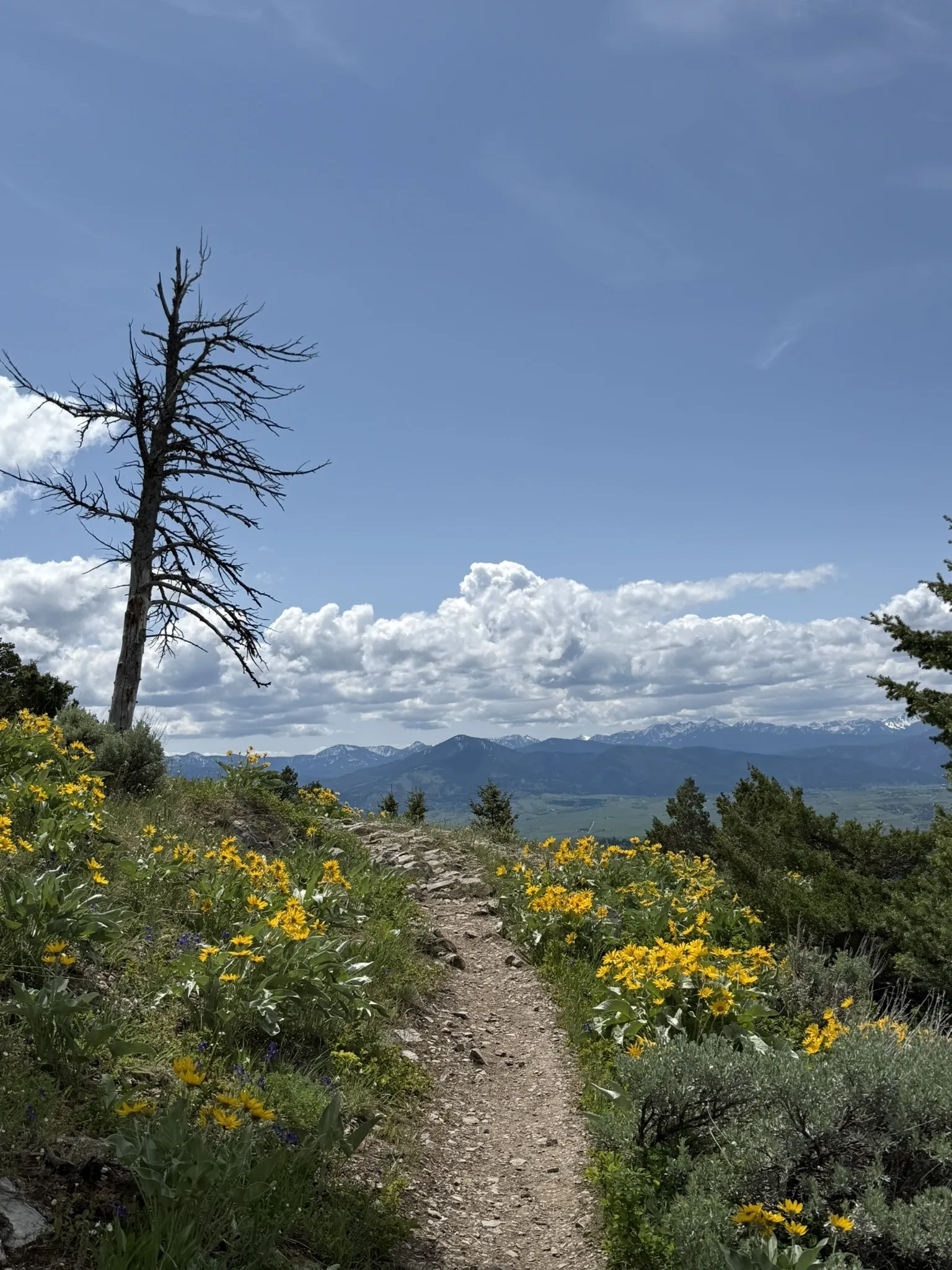
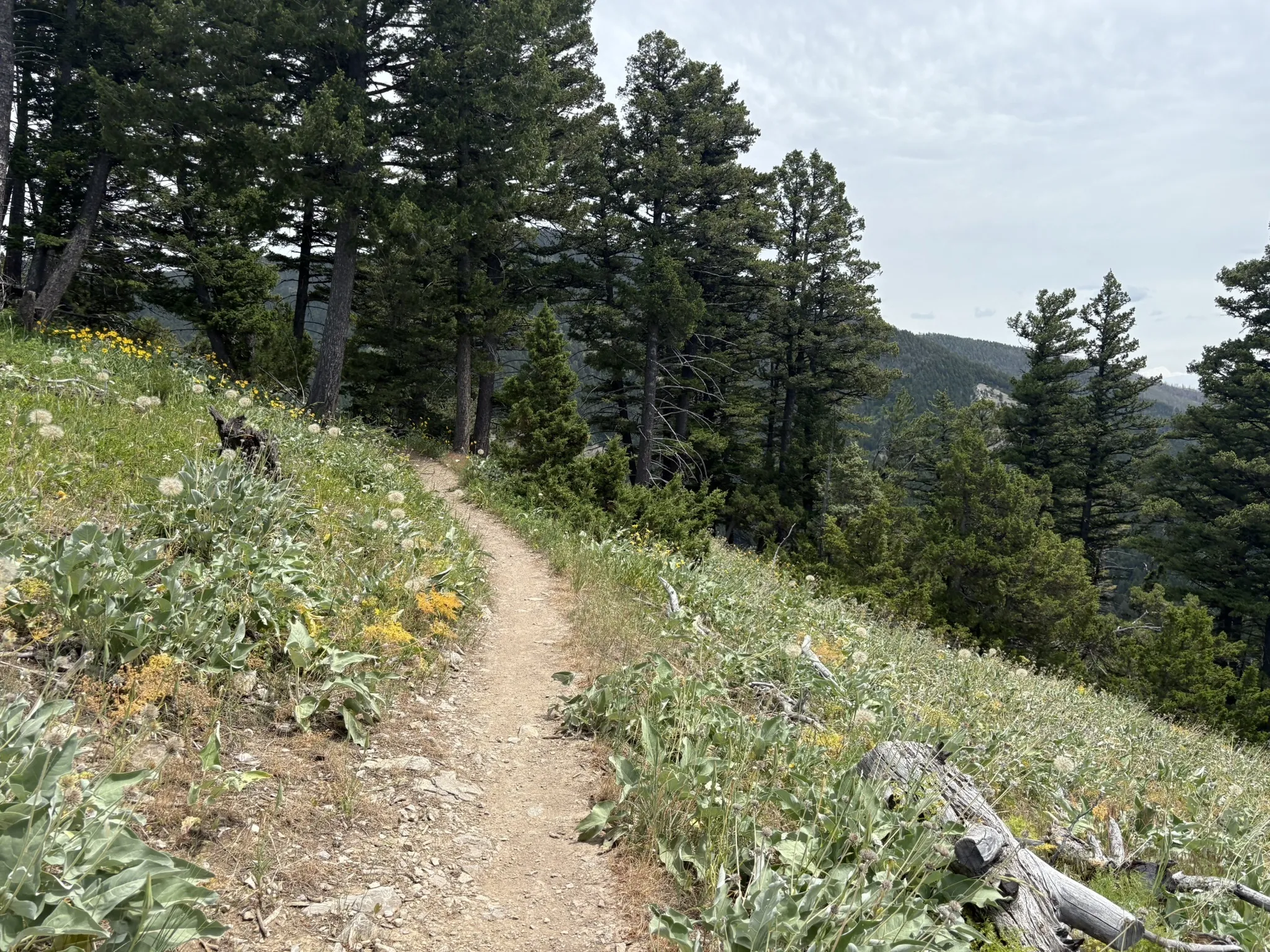
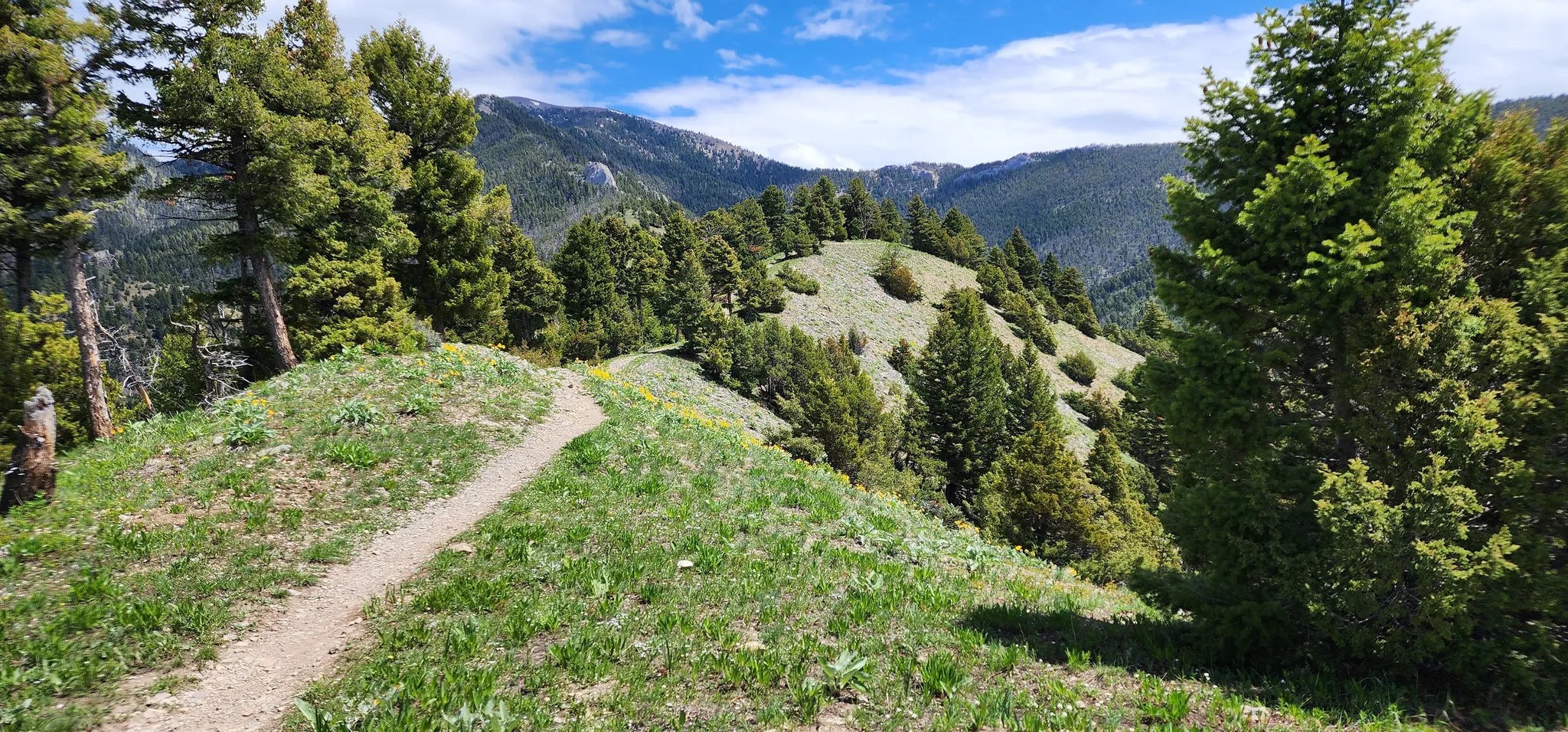
Sypes fills a useful gap in the Bozeman hike lineup. It is more substantial than the short front-country loops, but it does not require the drive, elevation, or commitment of the bigger Bridger objectives. You get canyon shade, open slopes, wildflowers, a real climb, and a view that explains the north side of the valley.
The best thing about Sypes is that the turnaround decision is natural. If you only have a couple of hours, the overlook is enough. If you have more time, keep going to the Bridger Foothills Trail junction and make it a proper half-day outing. That flexibility makes it useful for locals, trail runners, dog walkers with energy, and visitors who want something less crowded than the M but still unmistakably Bozeman.
The Sypes Canyon trailhead lot is small and can fill on weekends, after-work evenings, and good spring wildflower days. Arrive early or choose a less busy time. Do not block private drives or neighborhood access.
No bathroom at the trailhead. Take care of that before you leave Bozeman.
Sypes is popular with locals but spreads people out better than the M. Expect hikers, trail runners, dogs, mountain bikes, and occasional horses. The first mile feels busiest; traffic thins once you keep climbing.
Paved road to the trailhead. The final approach is through a residential area, not a rough Forest Service road.
Cell service is generally good near the trailhead and overlook because you are close to Bozeman, but it can weaken in tucked-away parts of the canyon.
Dogs are common on Sypes Canyon, but the trail crosses private-land access near the bottom and sees bikes and horses, so keep your dog under control. Bring water. The upper trail has little reliable shade or water once the day warms up.
7 Miles from Bozeman, MT. About 15 Minutes
From downtown Bozeman, head north on Rouse Avenue, which becomes Bridger Canyon Road. Continue toward the Bridgers, then turn left onto Sypes Canyon Road. Follow it into the neighborhood and watch for the signed Sypes Canyon Trailhead parking area. The road is paved, but the parking area is small and sits close to private homes, so park neatly and respect the posted private-land access rules.
There may be seasonal water in the canyon early in the year, but do not count on it. Bring your own water for yourself and your dog, especially once the route climbs onto the warmer open slopes.
32 oz consumed per person
The trail is generally well-used and easy to follow. Expect dirt singletrack, rocky tread, short shaded forest sections, and exposed traverses. Spring can be muddy near the lower access corridor. By midsummer, the open slopes get dry, dusty, and hot.
Wear sun protection for the open slopes and bring a light layer for wind at the overlook. In shoulder seasons, pack microspikes if recent freeze-thaw cycles have left shaded sections icy.
Footwear: Trail Runners
Bring a snack for the overlook or the Foothills Trail junction. The 4-mile version does not require much food, but the longer route is enough of a hike that a small lunch makes sense.
Usually not a major issue, but mosquitoes can show up in the lower canyon in early summer. The open upper sections are breezier and drier.
The route has pockets of shade in the canyon and forested sections, but the best views come from open slopes. It can feel hot by midday in July and August.
Day hike only. The lower access crosses private land and the trailhead has no overnight setup.
Bridger Foothills Trail
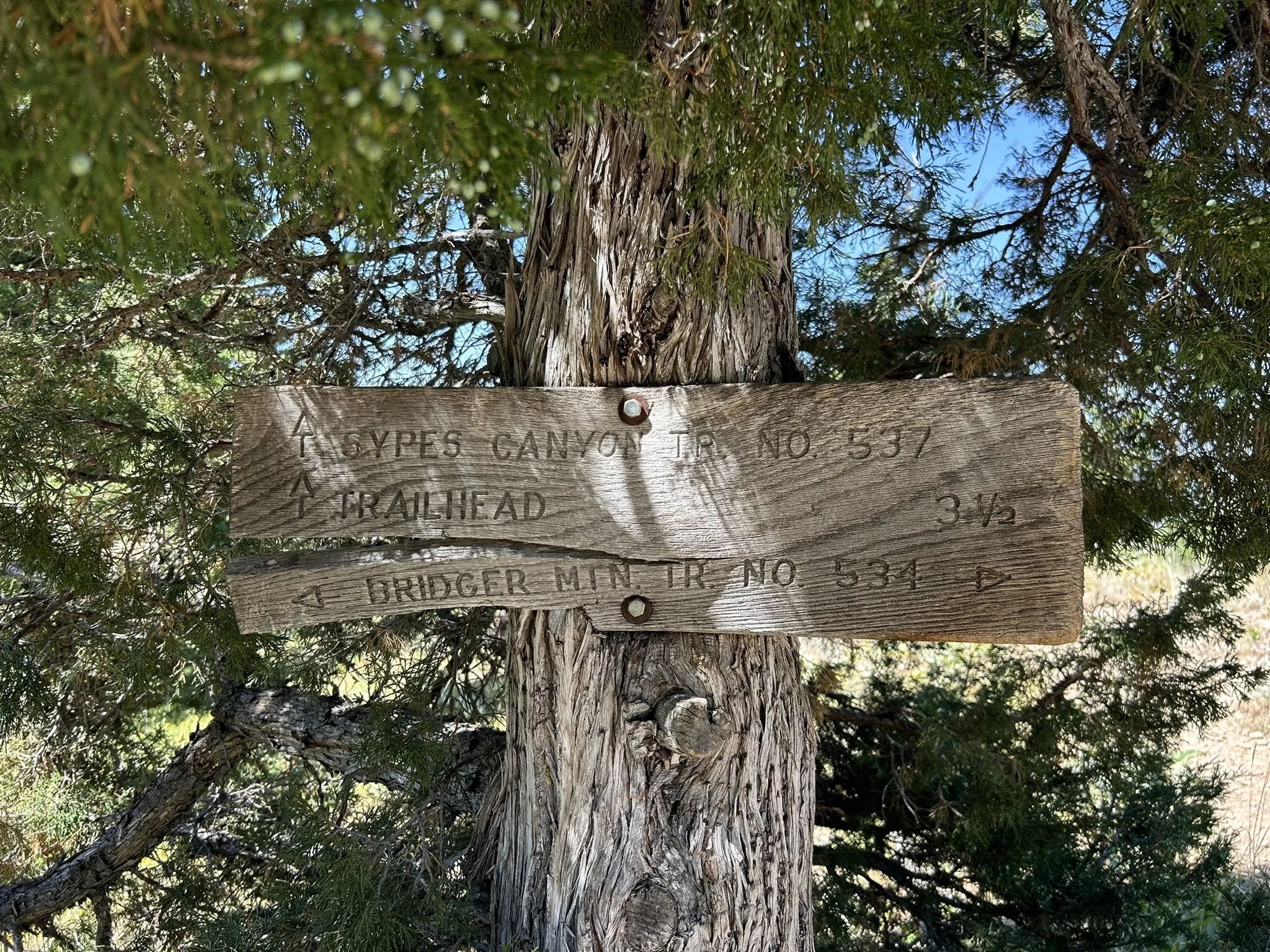
Sypes Canyon Trail connects with the Bridger Foothills Trail, which can be used for longer point-to-point routes along the west side of the Bridgers. This is the main reason Sypes matters beyond the overlook.
Trailhead Access
The lower trail crosses private-land access. Stay on the trail, respect posted signs, and keep dogs under control so the access remains open.
Explore more
Browse the Bridger Range hiking guide to compare local routes.
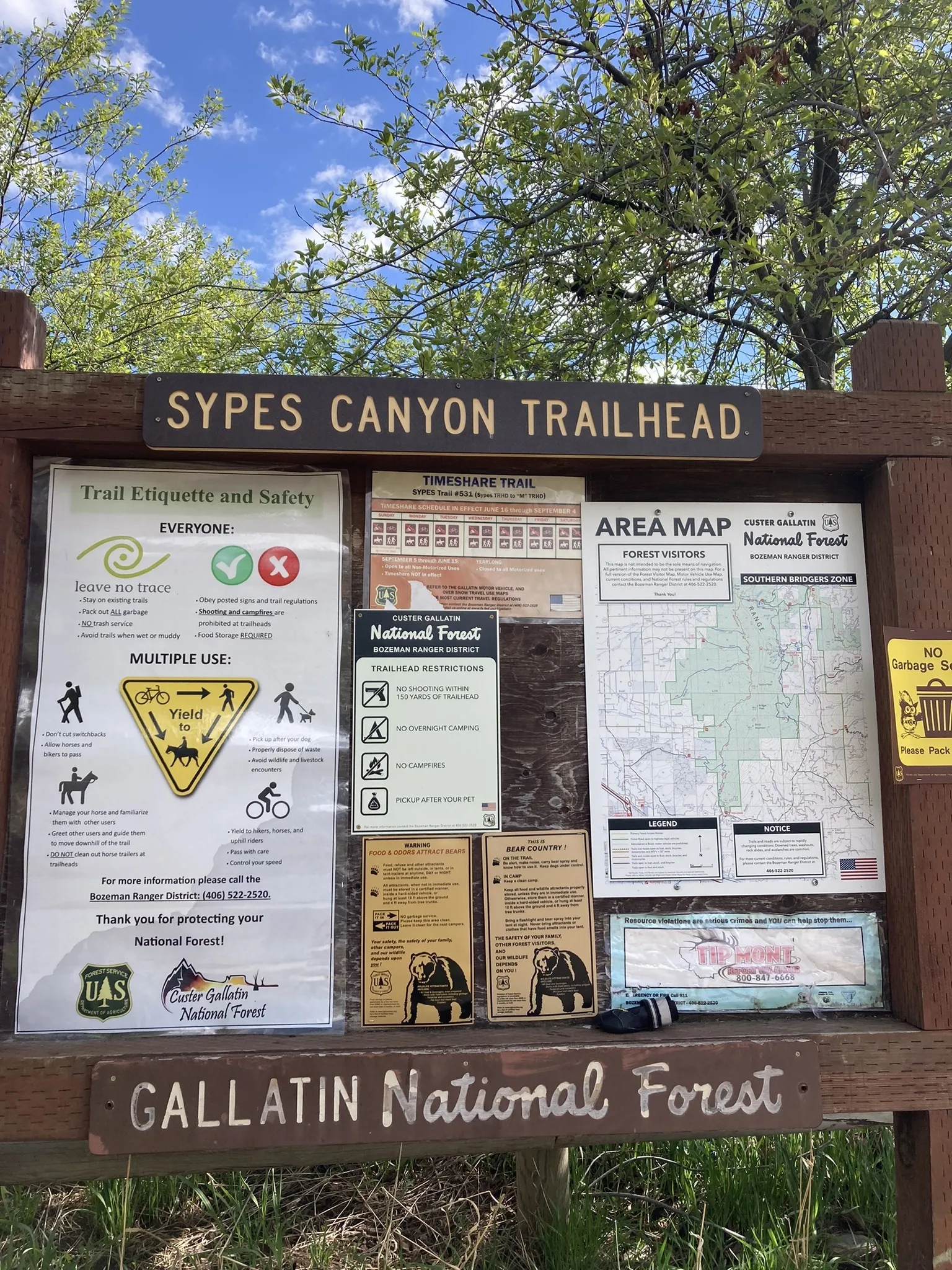
The posted trailhead map is useful, but bring a digital map if you plan to continue to the Bridger Foothills Trail. Beartooth Publishing's Bozeman Area map covers the Bridger foothills network.
Sypes Canyon is best from late May through October. Early summer is the sweet spot for wildflowers and green slopes. Winter is possible with traction, but shaded sections can hold ice and the trailhead road/parking can be slick after storms.
Late May through June: arrowleaf balsamroot, green foothills, and cooler temperatures before the exposed slopes get hot.
September and October: cooler weather, better afternoon hiking, and fewer bikes and runners than peak summer evenings.
Hot midsummer afternoons. The open slopes bake, there is little reliable water, and the climb feels harder than the mileage suggests.
Most hikers use two numbers: roughly 4 miles round trip to the overlook, or about 6.2 to 6.4 miles round trip if you continue to the Bridger Foothills Trail junction.
Moderate is right. The trail is not technical, but it climbs steadily and the longer version gains around 1,500 feet. It is more of a real hike than Drinking Horse or the M's easy route.
Yes, but check the posted seasonal timeshare rules at the trailhead. The sign notes a summer schedule for bike access. Hikers should still expect shared-use traffic.
No. There is no bathroom at the trailhead, and the parking area is small and residential.
Late May through June is usually the best window for arrowleaf balsamroot and other foothills wildflowers, especially on the open slopes above the canyon.
Yes. Sypes connects to the Bridger Foothills Trail, which opens up longer point-to-point options along the west side of the Bridgers.
Plug 6.4 miles and 1,500 feet of elevation gain into our free hiking time calculator for a personalized estimate.