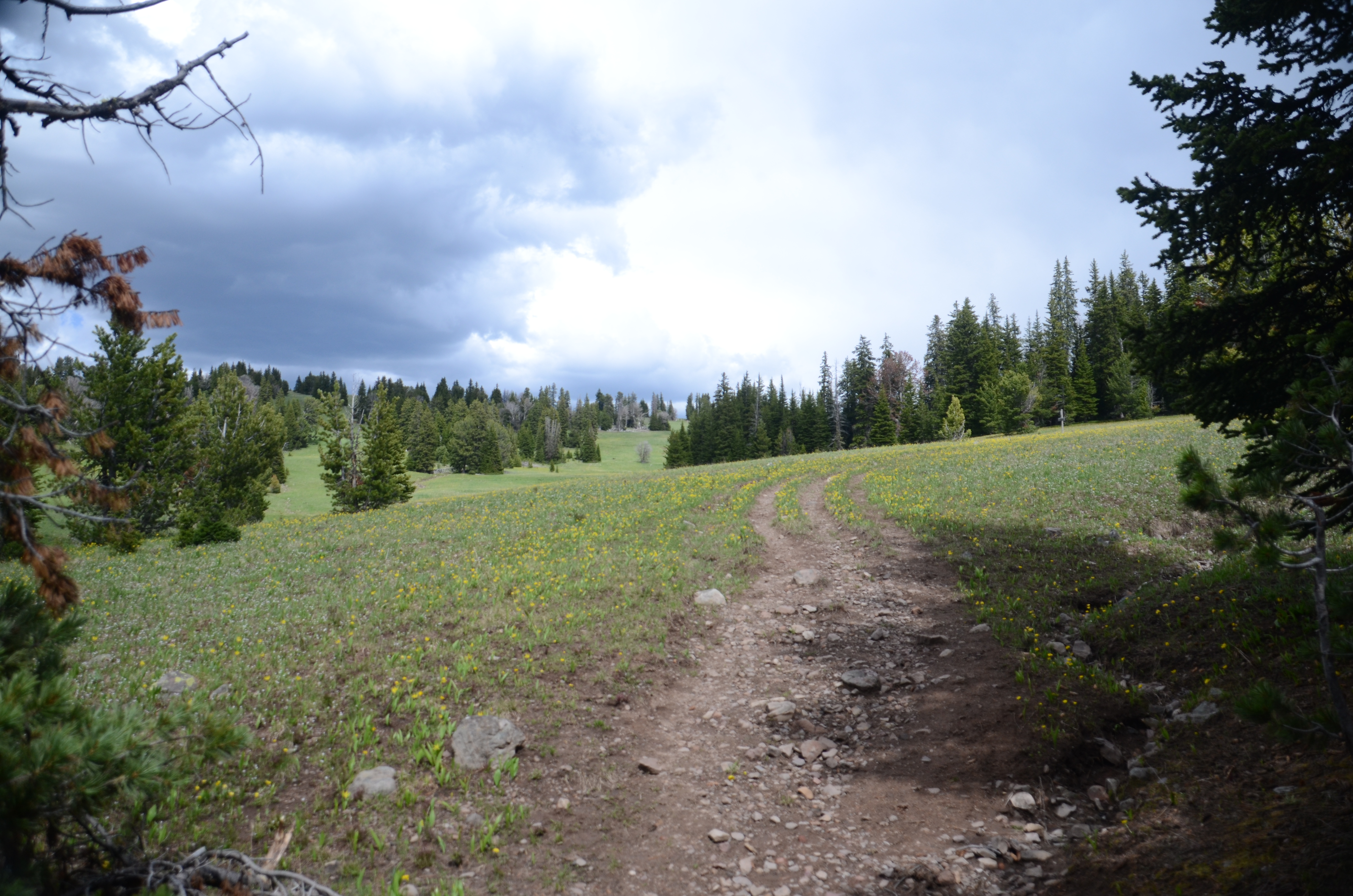
Windy Pass stays uncrowded for one reason: the access road. The last three miles of Portal Creek Road are rough and rocky, and they screen out anyone who did not plan ahead. If you have a high-clearance vehicle, you inherit a trail that feels genuinely quiet on summer weekends when everything closer to Bozeman is packed.
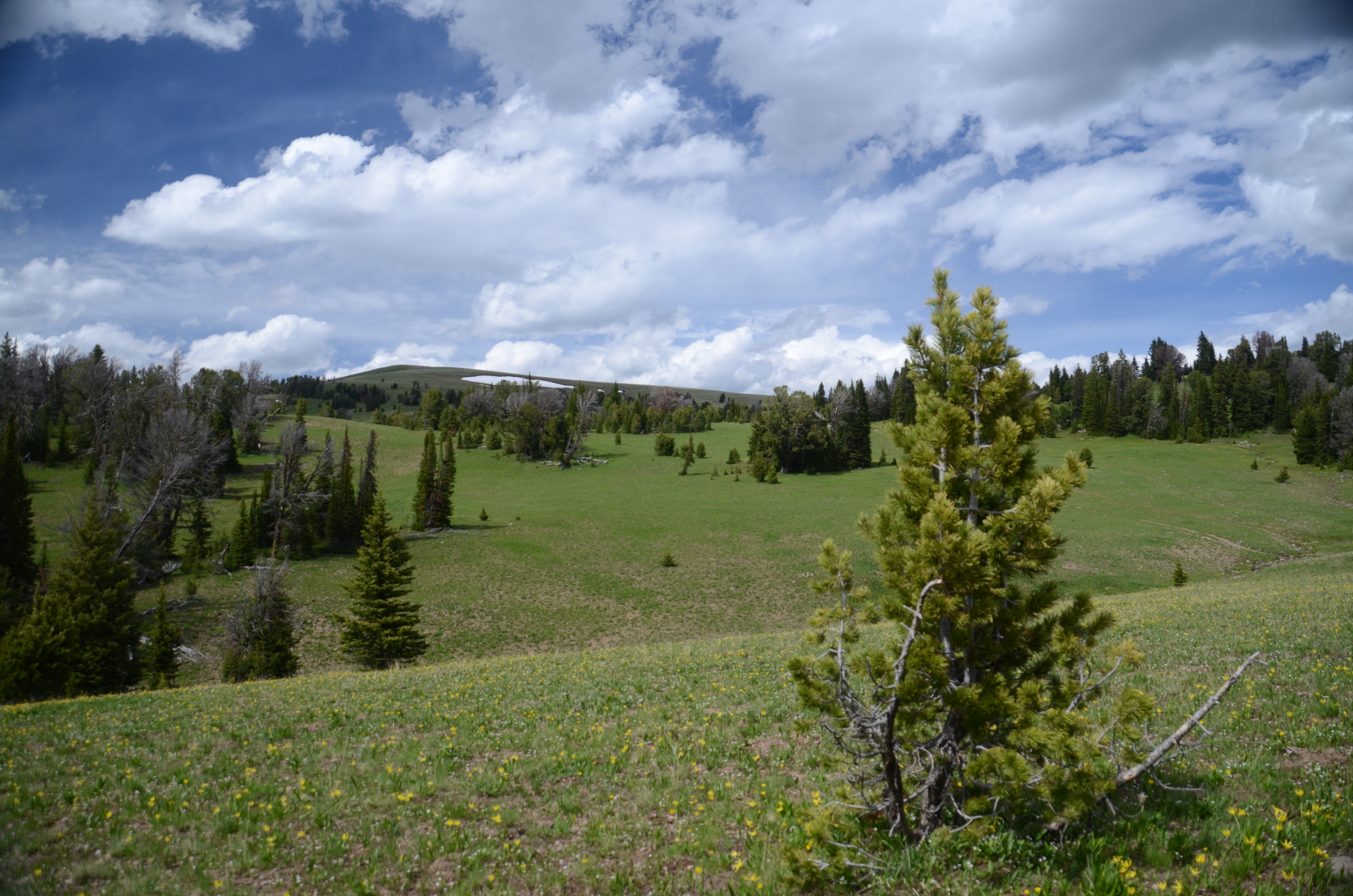
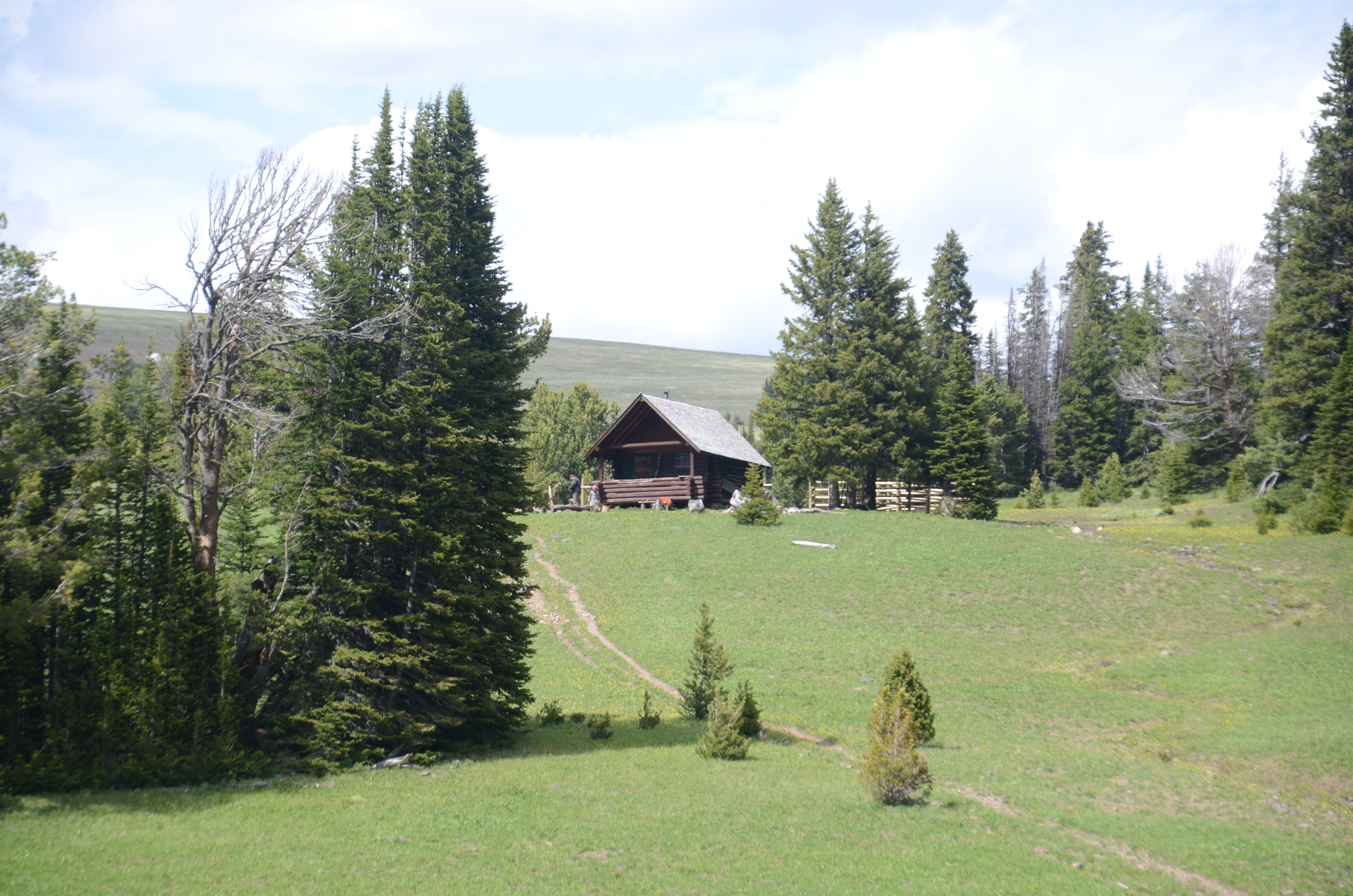
The cabin is the thing that separates this hike from every other moderate day hike in the Gallatin Canyon. A 1934 Forest Service log cabin in a wide green meadow, built to look like it belongs there, available to rent through Recreation.gov from mid-June through mid-October. It books early. If you are planning a trip here and can make the dates work, it is worth checking availability before you commit to a day hike.
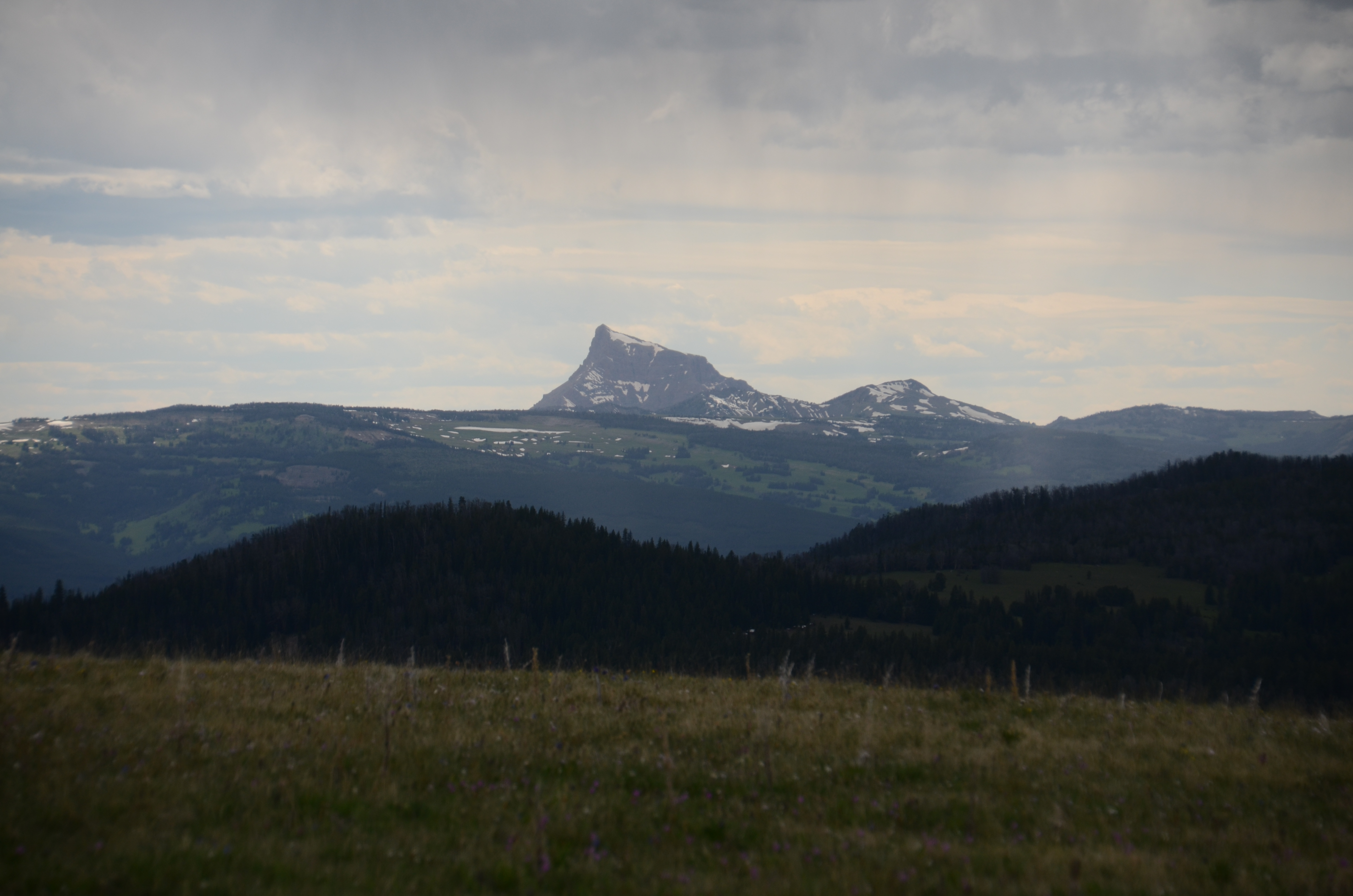
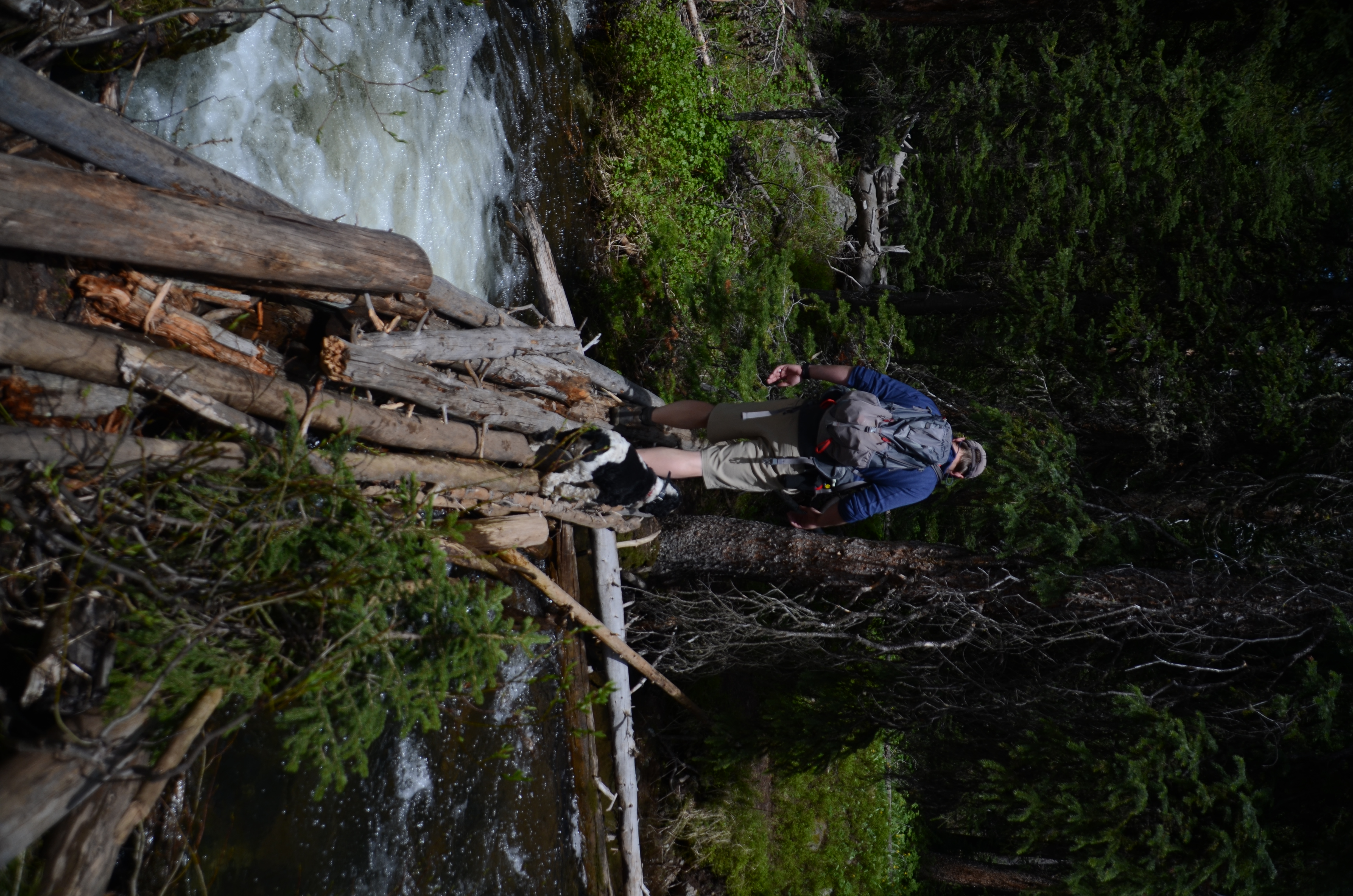
The Portal Creek crossing is real in early season. Knee-deep in June is not an exaggeration. Waterproof boots or be ready to wade. The pass itself earns the name, so bring a wind layer even when the valley is warm. Mountain goats work the ridge above the pass regularly and are worth scanning for before you turn around.
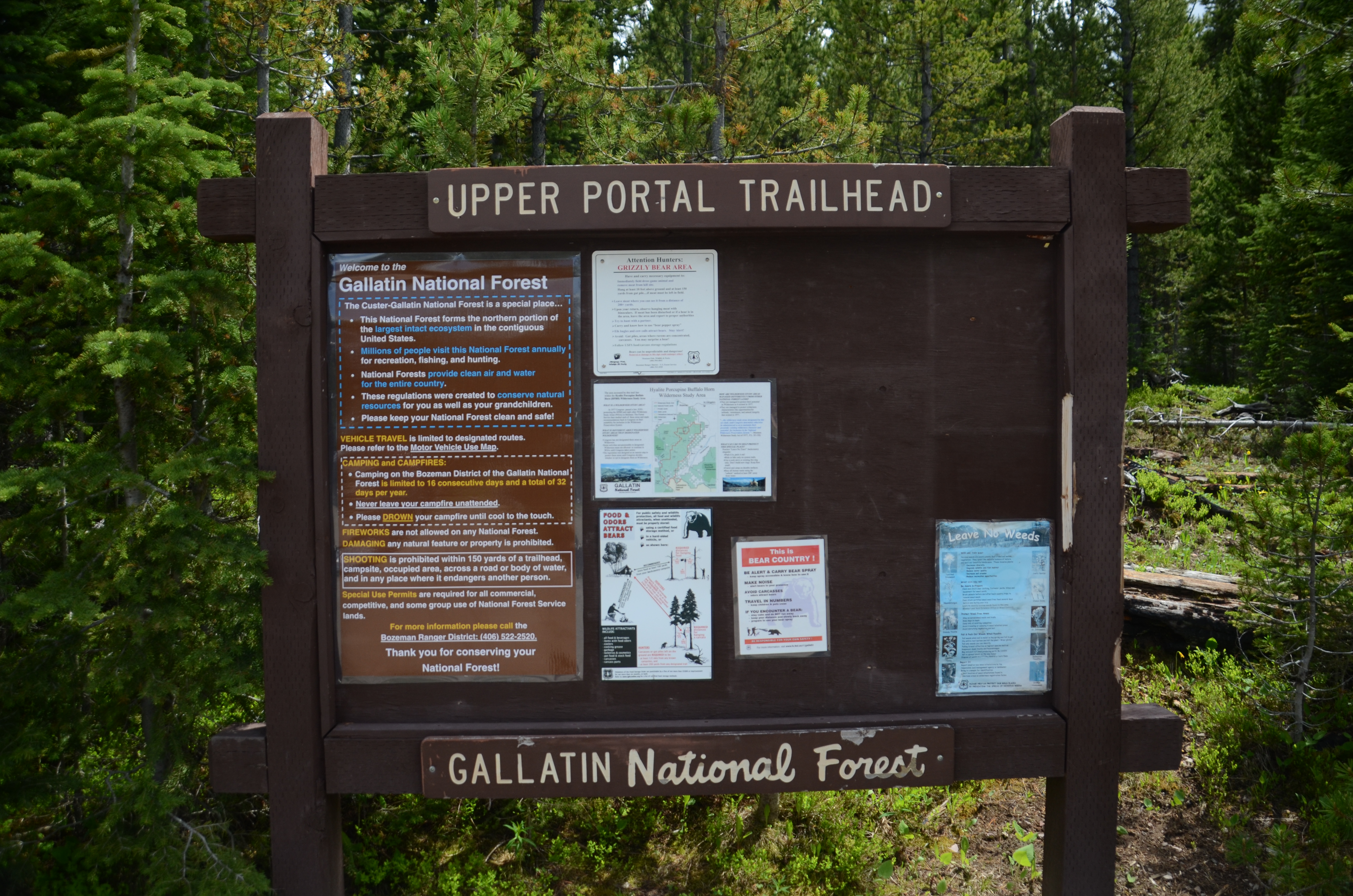
Upper Portal Trailhead has a small gravel lot. The rough access road naturally limits the number of vehicles that make it out here, so the lot rarely fills the way closer-in trailheads do. Weekdays and early mornings are very quiet.
No facilities at the trailhead. Take care of business before you leave Bozeman or Big Sky.
The access road does most of the work of keeping crowds down. You are unlikely to encounter the weekend rush that hits Beehive Basin or the Palisade Falls lot. Go on a weekday and you may have the upper meadow to yourself.
Highway 191 to the turnoff is paved and in good condition. Portal Creek Road (FS 984) starts manageable, but the last 3 miles to the Upper Portal Trailhead are rough and rocky and require a high-clearance vehicle. A standard passenger car will not make it. This detail is not mentioned clearly enough on most trail listing sites and is worth knowing before you commit to the drive.
Cell service is unreliable for most of the hike and nonexistent at the trailhead. Let someone know where you are going before you leave.
Dogs do well on this trail. Portal Creek gives them water at the crossing, and the open meadows at the top give them room to move. Horses are allowed on this trail year-round, so keep your dog close and be ready to step aside. The high-clearance access road is the main logistical factor to plan around.
44 Miles from Bozeman, MT. 57 Minutes
From Bozeman, head south on Highway 191 through the Gallatin Canyon. Between mile markers 53 and 54, turn left onto Portal Creek Road (Forest Service Road 984). Drive up the drainage for about 4 miles to a clearly marked Y-fork, then veer left and continue 3 more miles to the Upper Portal Trailhead.
Those last 3 miles are rough and rocky and require a high-clearance vehicle. A standard passenger car will not make it. If you are renting a car for a Bozeman trip, plan accordingly before you commit to this hike.
Portal Creek runs alongside and across the trail through the lower sections. Bring a filter and treat anything you pull from the creek. The upper meadow sections are drier. Carrying water from the trailhead and supplementing from the creek with a filter is the standard approach. A minimum of 32 ounces from the car, more on a warm day.
32 oz consumed per person
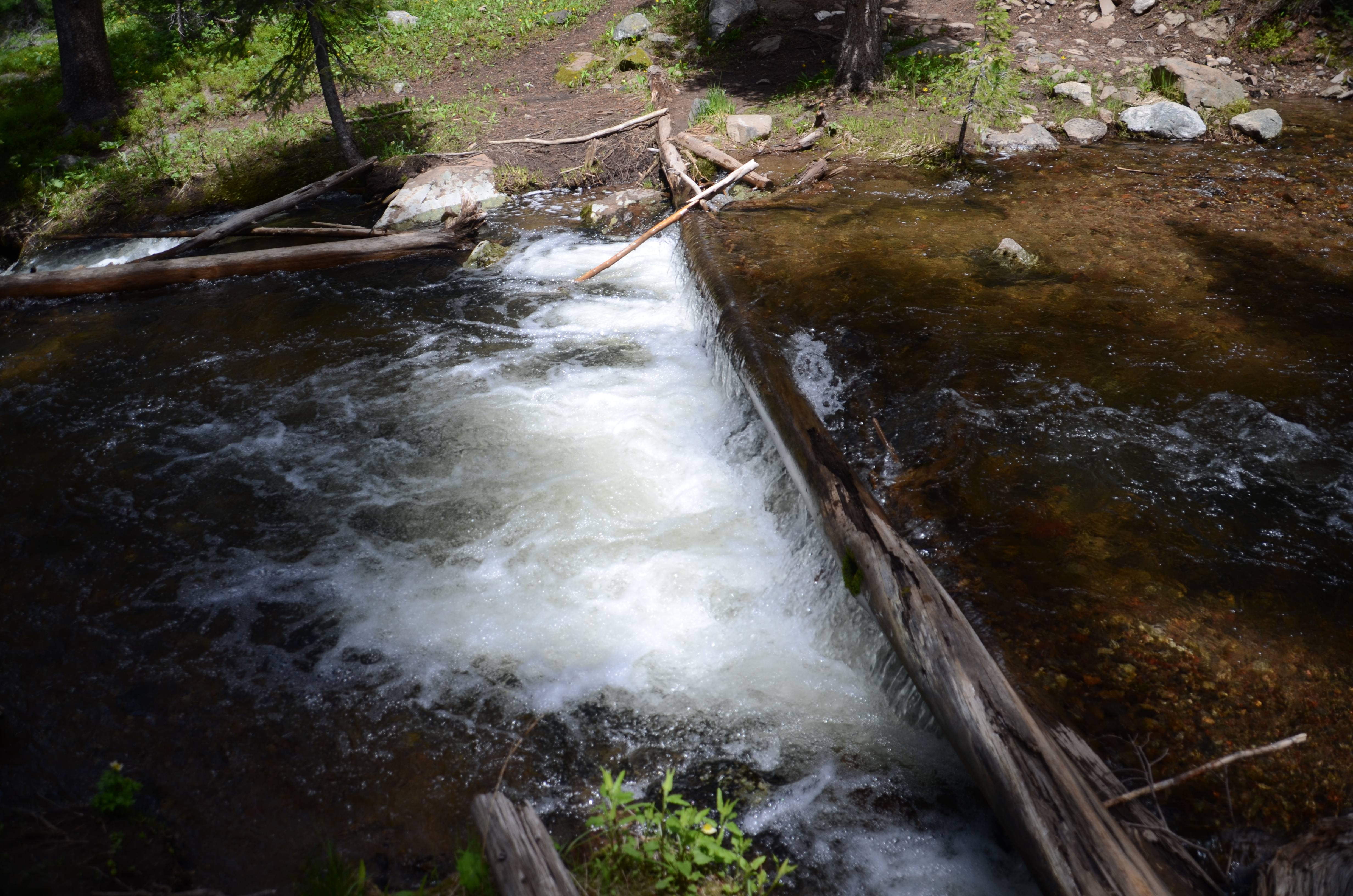
The trail is well-marked and straightforward to follow. The lower forested sections have rocky stretches. The Portal Creek crossing is a real ford in early season, not a rock-hop, and you should plan to get your feet wet in June and early July. Later in summer the crossing calms down but is still worth respecting. Fallen trees appear occasionally on the trail.
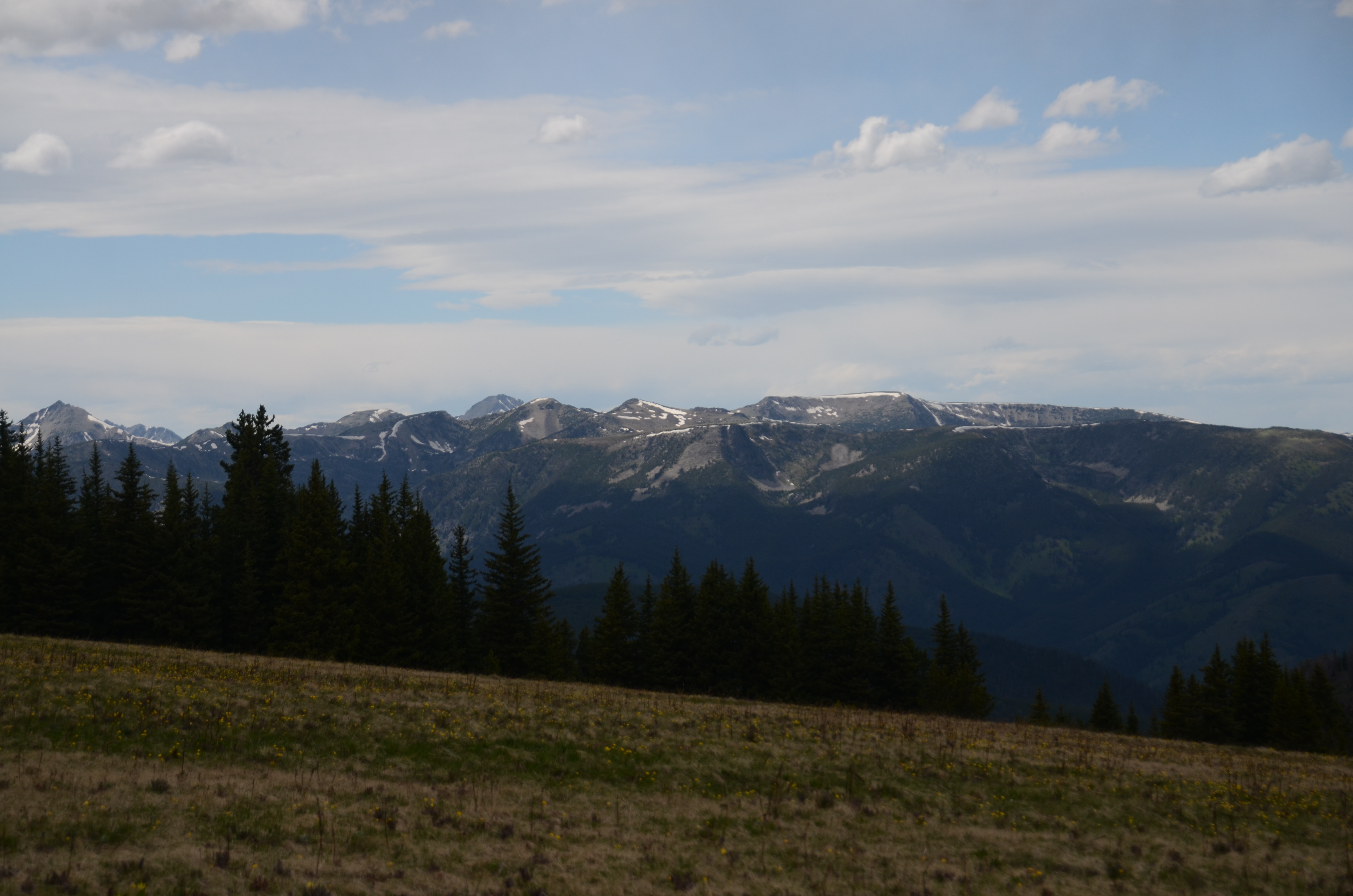
Windy Pass is exactly what the name says. Even on a warm day in the valley, the pass at 9,270 feet can be cold and exposed, and an afternoon wind can cut through fast. Bring a layer you can pull out quickly, especially if clouds are building when you start.
The Portal Creek crossing is real in early season. Waterproof boots or gaiters make a meaningful difference in June and early July.
Bug spray is worth carrying for the forested lower sections from June through August. The pass itself is usually too exposed for bugs to be a problem, but the forest approach near the creek can be heavy.
Footwear: Hiking Boots
At nearly 7 miles with real elevation gain, bring a full lunch. The meadow just below the pass makes a good stopping point, and the area near the cabin is worth slowing down for even if you are just eating a snack.
Mosquitoes in the forested lower sections, especially near Portal Creek, can be heavy from June through August. Higher on the trail the open meadows and wind keep them manageable, and the pass itself is too exposed for bugs to be a significant issue.
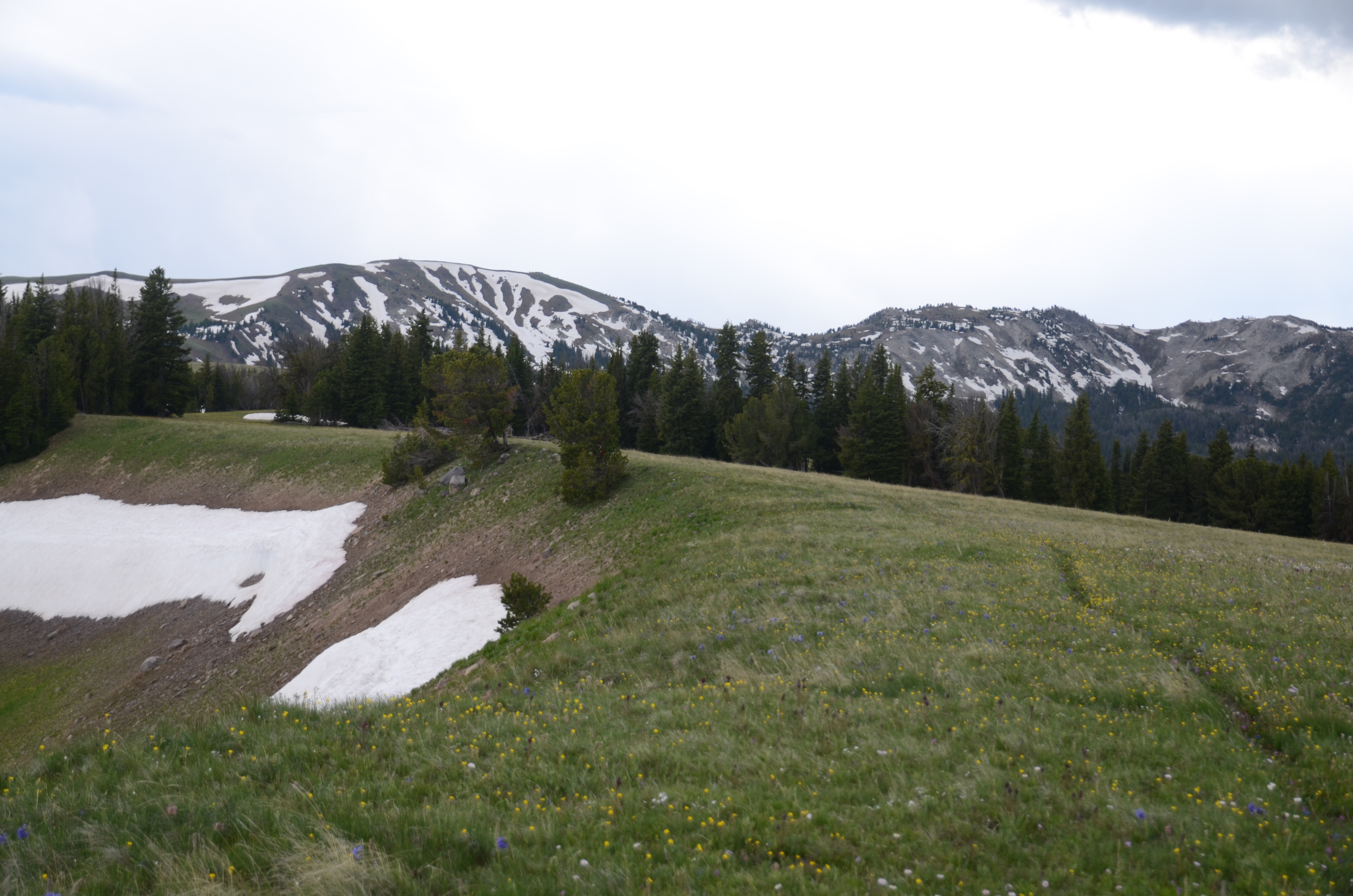
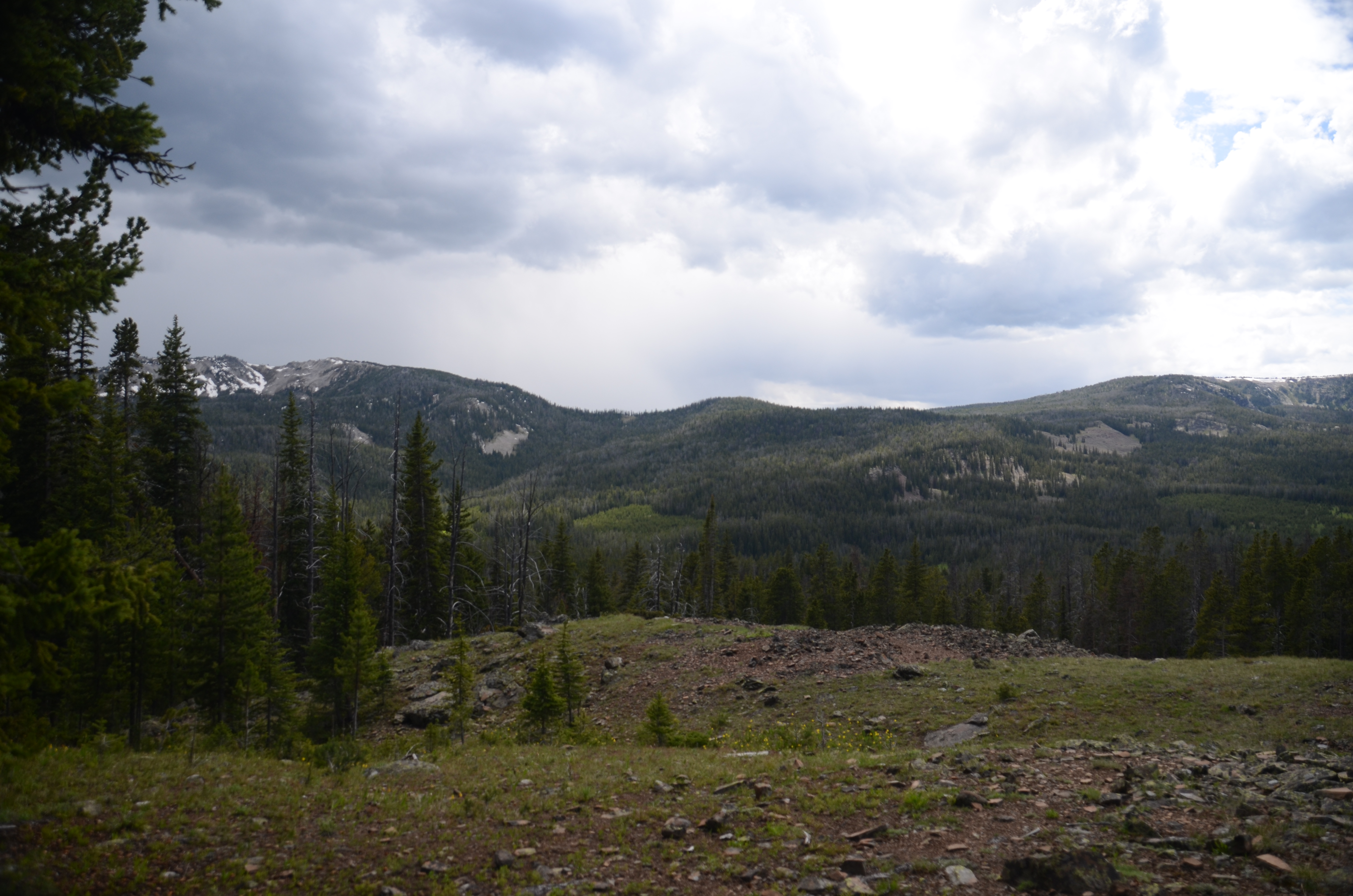
The lower half of the trail runs through mixed spruce and pine forest with good shade. The upper sections open into alpine meadow and the pass is fully exposed. Expect full sun on the upper portions from mid-morning onward.
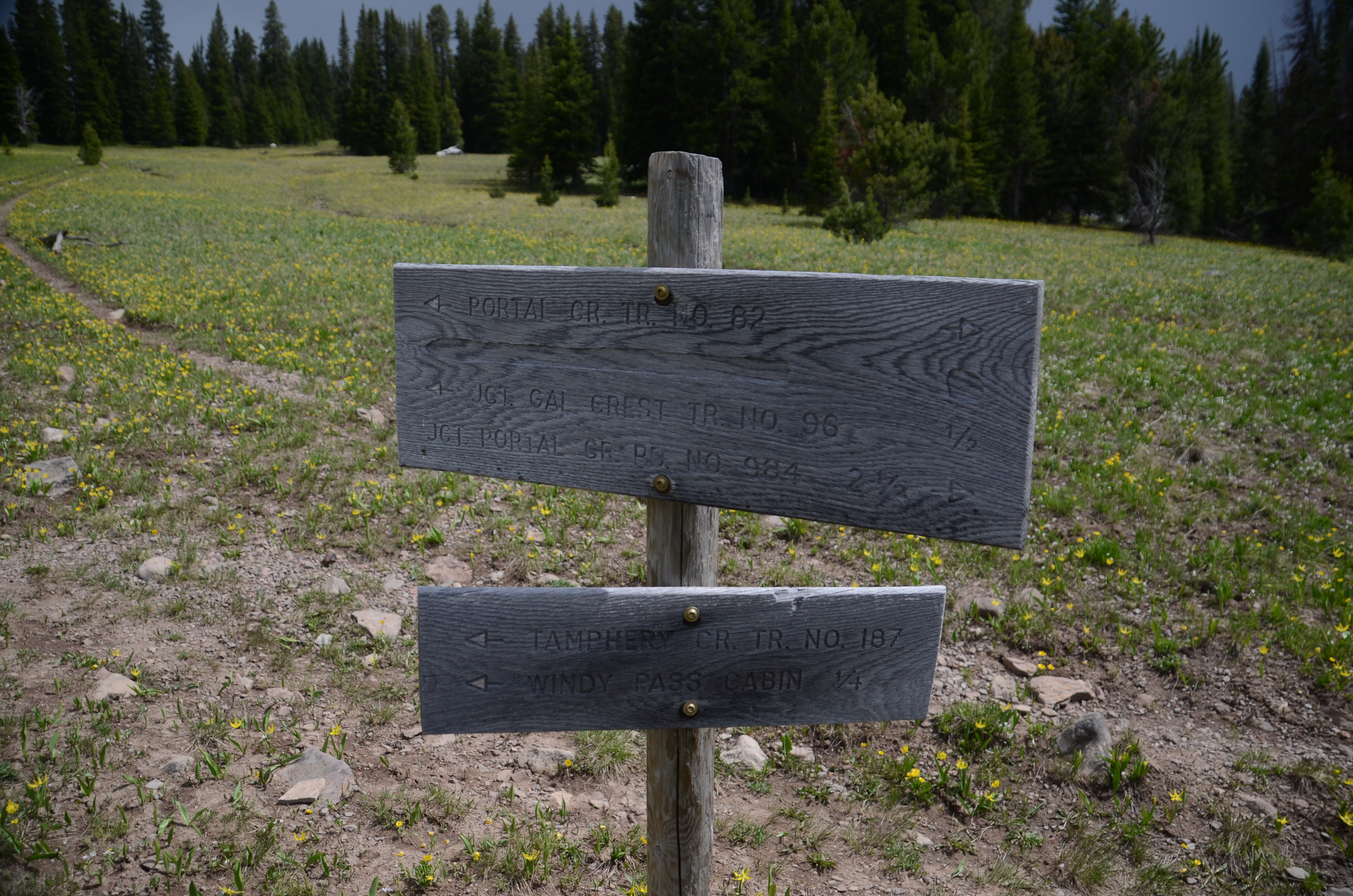
The Windy Pass Cabin is a 1934 Forest Service log cabin bookable through Recreation.gov, available from June 16 to October 14. It sits in a wide green meadow about 2.5 miles from the trailhead and is one of the better places to spend a night in the Gallatin area. It books out early in the season. The Gallatin Crest Trail also connects at the pass for multi-day backpacking options.
Gallatin Crest Trail #96
Picks up at Windy Pass and runs along the Gallatin Divide, connecting to Sentinel Mountain (9,945 ft) and beyond. A natural extension for anyone looking to turn the day hike into a backpacking route.
Golden Trout Lakes Trail #83
Also accessible from the Upper Portal Trailhead as an alternative day hike from the same starting point.
Beartooth Publishing's Bozeman Area Map covers this whole hike.
Late June through October. The Portal Creek crossing is a real ford in June and early July. The cabin is bookable June 16 through October 14. Fall visits in September and October have excellent solitude and the route is typically snow-free through mid-October.
July through September: crossing manageable, trail clear, wildflowers in the upper meadows, mountain goats on the ridge, cabin bookable.
Late June and October: June has high water at the crossing and possible snow above, October is cold but quiet with excellent fall light.
Before mid-June: the Portal Creek crossing is high and the upper sections may have snow. Access road is also rougher in wet spring conditions.
Yes. The last 3 miles of Portal Creek Road are rough and rocky. A standard passenger car will not make it. This is not mentioned clearly on most trail sites and people arrive in sedans and cannot reach the trailhead.
Through Recreation.gov. The cabin is available June 16 through October 14. Summer weekend reservations go fast. Search for Windy Pass Cabin in Gallatin National Forest on the Recreation.gov site.
In June and early July it is a real ford that can be knee-deep with current. Waterproof boots help but you may get your feet wet. By late July it calms to a manageable crossing. Later in summer it is generally a moderate rock-hop.
Yes. The ridge above the pass is a frequent goat area. Scan the upper terrain before turning around. They are usually visible with patience.
The Gallatin Crest Trail picks up at the pass and runs along the Gallatin Divide to Sentinel Mountain (9,945 feet) and beyond, connecting to a longer backpacking network. The Golden Trout Lakes Trail also starts from the same trailhead as a separate day hike alternative.
Plug 6.9 miles and 1,270 feet of elevation gain into our free hiking time calculator for a personalized estimate.