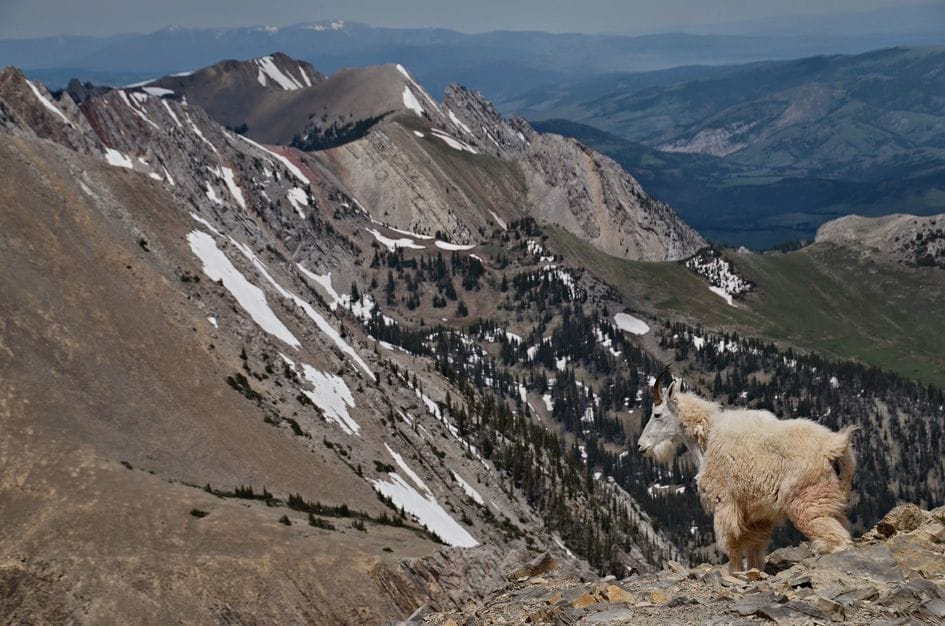
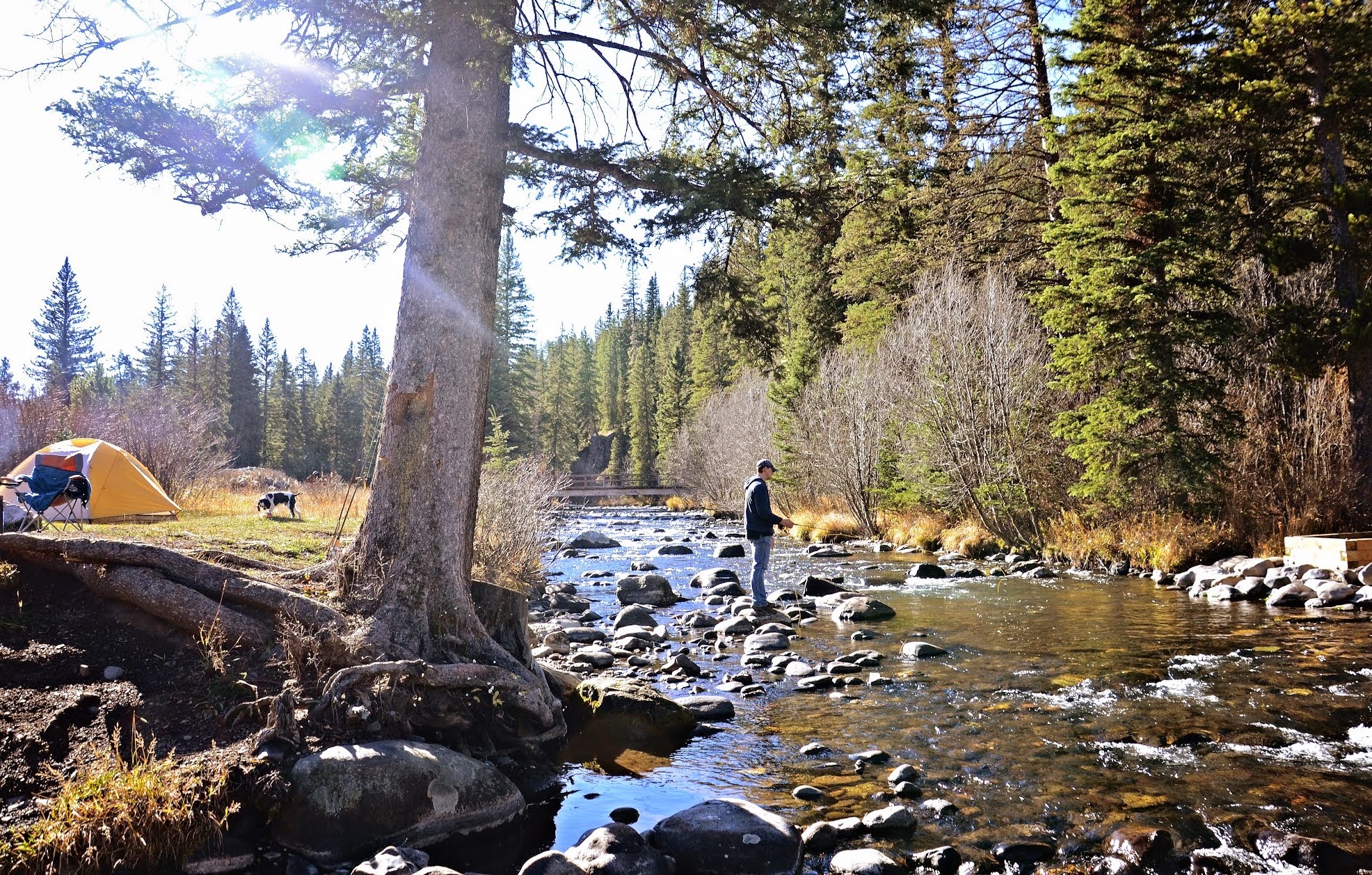
Short answer: the best free camping near Big Sky is dispersed camping on Custer-Gallatin National Forest land. Start with Taylor Fork Road for the easiest first stop, use Gallatin Canyon for convenient Highway 191 access, and choose Hyalite only if you are prepared to use the designated sites marked with tent-symbol carsonite signs.
Start here:
- Taylor Fork Road: best first choice for established pull-offs near Big Sky and West Yellowstone.
- Gallatin Canyon: most convenient if you need a no-frills camp close to Highway 191.
- Hyalite Canyon: best if you want to camp near hikes like Hyalite Lake and Palisade Falls, but only at marked designated sites in the main corridor.
There are no hookups and no campground host at these sites, but there are creekside pull-offs, forest roads, and designated Hyalite spots that keep you close to Lone Peak, the Gallatin River, the Spanish Peaks, and Yellowstone. We covered other ways to save money in our Big Sky budget guide, but this guide focuses on where free dispersed camping can fit into a Big Sky trip.
The Custer-Gallatin National Forest surrounds Big Sky on all sides. Dispersed camping can be free, but it still comes with stay limits, food-storage rules, fire restrictions, and site-selection requirements. Use this as a starting point, then verify current rules with the Bozeman Ranger District before you drive out, especially during fire season or muddy shoulder-season access.


What Is Dispersed Camping?
Dispersed camping means camping anywhere on National Forest land outside of a designated campground. There are no amenities, no maintained sites, no camp hosts, and no fees. You pick a spot, set up camp, and take care of your own waste, water, and fire. Leave No Trace principles are not optional here: pack everything out, use existing fire rings, and bury human waste at least 200 feet from water.
The Rules for Custer-Gallatin National Forest
Before you head out, know the rules. These are a planning baseline for the Custer-Gallatin and Northern Region forests, but you should confirm current details with the Bozeman Ranger District before you commit to a site:
- 16-day limit at any single site, and no more than 32 cumulative days in a calendar year across all Northern Region National Forest land in Montana.
- Camp at least 100 to 200 feet from water sources, trails, and roads.
- Use established fire rings only. Always check current fire restrictions before your trip. Restrictions change seasonally, and fire bans are common in late summer.
- Bear-proof food storage is required. Hard-sided vehicle storage or a bear canister. This is grizzly country and it is not optional.
- No permit required for dispersed camping.
- Always verify current rules with the Bozeman Ranger District before your trip. Regulations can and do change.
The Best Free Dispersed Camping Areas Near Big Sky
Taylor Fork Road: Best Overall
This is the one to start with. Taylor Fork Road is in the Gallatin National Forest about a third of a mile off Highway 191, running alongside Taylor Creek through a wide valley. The west entrance of Yellowstone National Park is roughly 40 minutes from here.
The road stretches about 11 miles with multiple pull-offs that have established fire rings, spaced far enough apart that you won’t feel like you’re on top of your neighbors. You get mountain views and creek access without the campground feel. Some sites even have wooden horse corrals from equestrian use, which gives you a sense of how spread out things are.
Taylor Fork works for tents, vans, and larger rigs, though bring levelers since the parking areas can be uneven. There’s a primitive toilet along the road. If you can only check out one dispersed camping area near Big Sky, this is the one.

Gallatin Canyon / Highway 191 Corridor: Most Convenient
The highway between Bozeman and Big Sky runs through national forest the entire way, with several pull-offs and informal dispersed areas along the corridor. This is the easiest option if you’re driving up late and just need somewhere to camp.
Beehive Basin also offers backcountry camping about 3 miles from the trailhead with no reservation or permit required, though bear awareness and clean camping practices are essential.
If you want something between free dispersed camping and a full-service campground, paid options like Red Cliff and Swan Creek are along this corridor too. They have toilets and maintained sites but fill up fast in summer, so use our Montana campsite booking guide if you want a reserved backup plan.

Hyalite Canyon (Forest Service Road 1046): Best for Hikers
Hyalite Canyon is about 30 minutes from Bozeman and roughly 45 minutes from Big Sky. Dispersed camping in the Hyalite corridor is restricted to designated sites only, marked with carsonite signs that have a tent symbol on them. You can’t just pull off anywhere. The sites require parking and carrying your gear to creekside spots, so this isn’t a pull-up-and-sleep situation. The main road is paved, but the side roads can get rutted. Sedans have made it, but expect some adventure getting in.
The big upside is direct access to Hyalite Canyon’s trail network. You can camp and then hike to Hyalite Lake, Palisade Falls, or any of the other trails in the canyon without driving anywhere the next morning. If you want to combine camping and hiking in one spot, Hyalite is it.

South Fork Brackett Creek / Fairy Lake Area: Best Views
These sites are about 20 to 30 minutes from Bozeman in the Bridger Mountains. The mountain views here are something else, and people who’ve camped here say the peaks turn pink and purple at sunrise. Black bears have been spotted in the area, so bear-proof your food storage.
Fairy Lake Dispersed has at least 3 sites in a meadow about 4 miles from the highway. The 6-mile unmaintained road to Fairy Lake itself requires careful navigation, and 4WD is recommended. This area is better suited for people who don’t mind a rougher approach for the payoff of the scenery.

What to Know Before You Go
Season: Mid-June through mid-September is the window for dispersed camping in this area. Before mid-June, access roads are often snow-covered or muddy enough to be impassable.
Cell service: Minimal to nonexistent once you turn off the highway. Download your maps offline using Gaia GPS or CalTopo and screenshot the Forest Service regulations before you leave town. Don’t count on looking anything up once you’re out there.
Water: None of these sites have potable water. Bring more than you think you need, or bring a reliable filter. The creeks are right there but treat everything.
Bears: This is grizzly country. Bear spray is non-negotiable. Store all food in your vehicle with windows closed, or use a bear canister if you’re backpacking in.
Fire: Always check current fire restrictions at the Bozeman Ranger District website or InciWeb before you arrive. Fire bans are common in late summer, and they’re enforced. Only use existing fire rings when fires are allowed.
Stock up in Bozeman: Big Sky grocery prices have hit record highs, and you’ll pay premium prices for basic supplies at the local markets. Stop at Costco in Bozeman before heading up the canyon and buy everything you need in town.


The Budget Math
A single night in a Big Sky resort hotel runs $400 to $800. A vacation rental is $200 to $500. Even a basic campground site with a toilet and a fire ring costs $25 to $40 a night in peak season.
Dispersed camping costs nothing.
Over a week-long trip, that’s $1,400 to $5,600 in lodging you’re not spending, and you’re waking up to the same mountains. The views from most dispersed sites are arguably better, since you’re right on a creek or in a meadow instead of a parking lot.

If you’re looking for a way to experience Big Sky without draining your savings account, pair the tips in this guide with our Big Sky budget post and you can spend a week in one of the most popular outdoor destinations in Montana for less than one night at the resort.
Frequently Asked Questions
Is there free camping near Big Sky, Montana?
Yes. The free options near Big Sky are dispersed campsites on Custer-Gallatin National Forest land, not developed campgrounds with reservations or hookups. Taylor Fork Road, the Gallatin Canyon corridor, and designated sites in Hyalite Canyon are the main places to start.
What is the best free camping area near Big Sky?
Taylor Fork Road is the best place to start if you want an easy first choice. It is close to Highway 191, has multiple established pull-offs, and keeps you within a reasonable drive of Big Sky and West Yellowstone.
Do I need a permit for dispersed camping near Big Sky?
No permit is required for dispersed camping in the areas covered here, but you still need to follow Custer-Gallatin National Forest rules for stay limits, food storage, fire restrictions, and distance from water, trails, and roads.
Can I camp for free in Hyalite Canyon?
Yes, but in the main Hyalite corridor you need to use designated dispersed sites marked with tent-symbol carsonite signs. Hyalite is the better choice if you want to camp and then hike Hyalite Lake, Palisade Falls, or another canyon trail the next morning.
Where should I look first for free camping near Big Sky?
Start with Taylor Fork Road if you want the most straightforward dispersed-camping area, Gallatin Canyon if you need convenient Highway 191 access, and Hyalite if you want to pair camping with nearby hikes. For a reserved backup, use the Montana campsite booking guide.
What should I bring for free camping near Big Sky?
Bring your own water, a way to store food securely, a map you can use offline, and bear spray. These are undeveloped sites, so you are responsible for your own waste, fire safety, food storage, and navigation.